 by
by Table of Contents
- What Is Coconut Water?
- Nutritional Chart (Per Serving)
- Health Benefits
• Physical Benefits
• Mental Wellness Support - Disadvantages & Potential Risks
- Calories Burned & Coconut Water’s Role in Metabolism
- Sample Diet Chart With Coconut Water
- Best Practices for Consumption
- Conclusion
1. What Is Coconut Water?
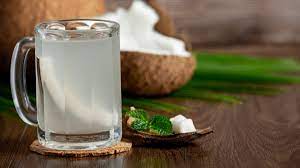
- Coconut water is the naturally clear, slightly sweet liquid found inside young green coconuts. It is low in calories, fat-free, and packed with electrolytes like potassium and magnesium.
- Often called “nature’s sports drink,” coconut water has gained popularity as a natural alternative to sugary beverages and electrolyte drinks.
2. Nutritional Chart (Per 1 Cup / 240 ml)
| Nutrient | Amount |
|---|---|
| Calories | 44–60 kcal |
| Carbohydrates | 10–15 g |
| Natural Sugars | 8–10 g |
| Protein | ~0.5 g |
| Fat | 0 g |
| Potassium | 400–500 mg |
| Sodium | 45–65 mg |
| Magnesium | 15–20 mg |
| Calcium | 30–40 mg |
| Phosphorus | 15–20 mg |
| Vitamin C | 20–25 mg |
Values may vary slightly depending on coconut maturity and brand.
3. Health Benefits
3.1 Physical Health Benefits
✅ Hydration Booster
Coconut water naturally replenishes lost fluids and electrolytes, making it ideal for post-workout recovery or during hot weather.
Also read Best Almonds Health Benefits and Nutrition Facts You Need to Know Today
✅ Supports Heart Health
Its high potassium content helps lower blood pressure by balancing out the effects of sodium.
✅ Aids in Kidney Health
Regular consumption may help reduce the risk of kidney stones by increasing urine output and reducing crystal formation.
✅ Antioxidant Properties
It contains compounds that help neutralize free radicals, reducing cellular stress and potential inflammation.
✅ Helps in Blood Sugar Control
Some evidence suggests that coconut water may improve blood sugar levels, thanks to its magnesium content.
✅ Digestive Friendly
Coconut water is light, easy to digest, and can soothe an upset stomach. It’s also naturally low in acidity.
3.2 Mental & Cognitive Wellness
✅ Brain Hydration
Proper hydration is key for brain function. Coconut water supports this by maintaining fluid and electrolyte balance.
✅ Reduces Fatigue
Its electrolyte balance helps reduce physical and mental fatigue, improving focus and energy.
✅ Mood Regulation
Magnesium and potassium are associated with mood stability and reduced anxiety, especially when taken through natural sources like coconut water.
✅ Stress Reduction
Being naturally calming, it helps lower cortisol levels and may support stress relief, especially when consumed chilled.
4. Disadvantages & Potential Risks
While coconut water is generally safe, there are some concerns with overconsumption or for those with specific conditions:
❌ High in Potassium
Too much can lead to hyperkalemia, particularly in people with kidney disease or on certain medications.
❌ Not Ideal for Intense Workouts
It may lack sufficient sodium for replenishment after high-sweat or endurance training sessions.
❌ May Raise Blood Sugar
Although it contains natural sugars, diabetic individuals should consume it in moderation.
❌ Digestive Side Effects
For those with sensitive digestion, large amounts may cause bloating or diarrhea.
❌ Calorie Accumulation
Drinking multiple servings a day can unintentionally add calories, especially when not factored into the diet.
5. Calories Burned & Metabolism Boost
Coconut water itself doesn’t burn calories, but it supports energy metabolism through hydration and electrolyte replenishment. Here’s a general idea of how many calories typical activities burn (for a 70 kg person):
| Activity | Duration | Calories Burned |
|---|---|---|
| Walking (moderate) | 30 min | 120–150 kcal |
| Jogging | 30 min | 250–300 kcal |
| Cycling | 30 min | 200–250 kcal |
| Yoga | 60 min | 180–240 kcal |
How coconut water helps:
- Keeps muscles hydrated and functioning well
- Replenishes minerals lost in sweat
- Reduces fatigue, making longer workouts easier
- There are amazing health benefits of coconut water
6. Sample Diet Chart With Coconut Water
Here’s a balanced sample meal plan (~1800–2000 kcal) integrating coconut water for general health and energy support.
| Time | Meal Type | Food & Beverages |
|---|---|---|
| 6:30 AM | Empty Stomach | Warm lemon water + 1 glass coconut water |
| 8:00 AM | Breakfast | Oats with banana + nuts + herbal tea |
| 10:30 AM | Mid-Morning Snack | Greek yogurt + sliced fruit |
| 1:00 PM | Lunch | Grilled tofu/chicken + brown rice + salad |
| 4:00 PM | Afternoon Snack | 1 cup coconut water + handful of almonds |
| 6:00 PM | Pre-Workout | 1 banana or energy bar |
| 7:30 PM | Dinner | Quinoa + sautéed veggies + protein source |
| 9:00 PM | Late Snack | Herbal tea + dark chocolate square |
Tips:
- You can switch coconut water from morning to post-workout as needed.
- Keep total coconut water intake between 200–400 ml/day unless otherwise advised.
7. Best Practices for Coconut Water Consumption
how much use of coconut water for daily routine.
- ✅ Choose natural, unsweetened versions
- ✅ Limit intake to 1–2 cups daily
- ✅ Drink fresh if possible (not from concentrate)
- ✅ Use post-exercise or during hot weather
- ✅ Monitor your body’s reaction (especially if diabetic or on medications)
- ✅ Avoid mixing with high-sugar foods to prevent blood sugar spikes
8. Conclusion
Coconut water is a nutrient-rich, refreshing drink that benefits both physical and mental wellness. From hydration and heart support to mood regulation and recovery, it’s a powerful natural drink—when used wisely.
While not a miracle solution, including 1–2 cups of coconut water into a balanced lifestyle can support hydration, performance, and overall well-being. However, always consume in moderation and adjust based on personal health needs.