 by
by Table of Contents
- Introduction
- Overview of the Initiative
- Purpose and Vision
- Key Components of the Program
- Benefits for Students and the Province
- Challenges and Implementation Barriers
- Future Strategy and Recommendations
- Conclusion
1. Introduction
The Khyber Pakhtunkhwa (KP) government has taken a landmark step by introducing Artificial Intelligence (AI) education in all government schools. This initiative aims to modernize the education system, preparing students for a technology-driven future.
By incorporating AI into the curriculum, KP becomes one of the first provinces in the region to integrate advanced digital learning at the school level. The program aligns with global trends where AI literacy is becoming as essential as basic computer skills.
2. Overview of the Initiative
Under this new policy, AI will be taught from Grade 6 onwards across government schools in the province. The decision reflects the government’s commitment to technological advancement and youth empowerment.
The initiative includes:
- The development of an AI-based curriculum suited to middle and secondary school levels.
- Training programs for teachers to ensure effective delivery.
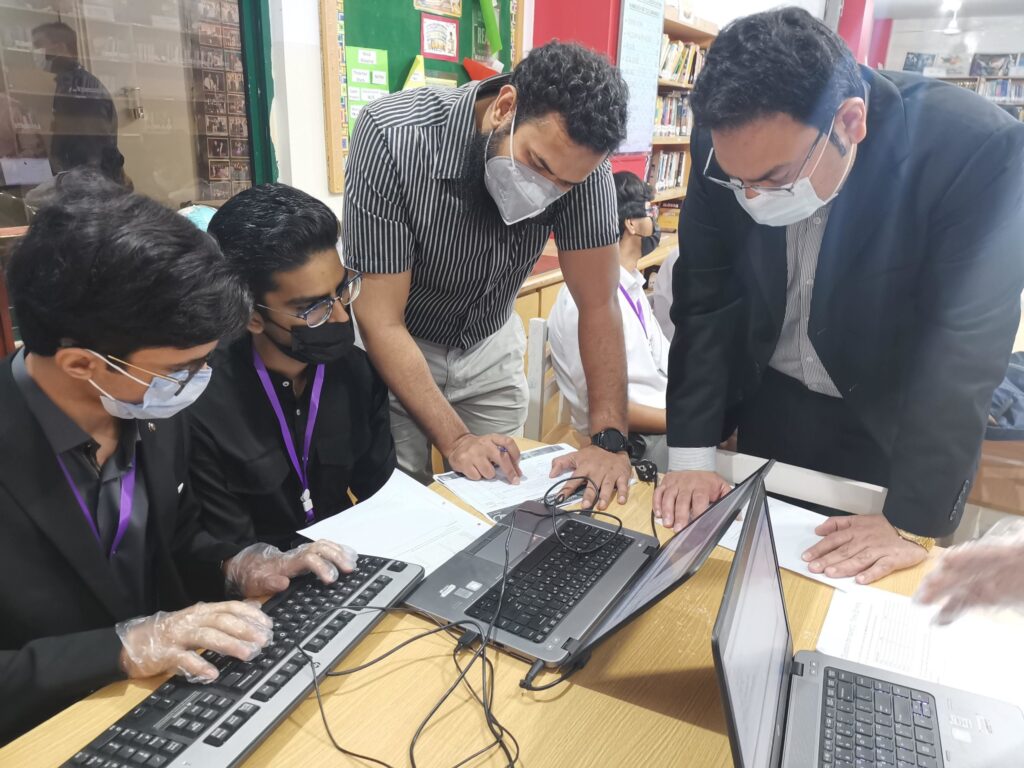
- Installation of digital labs and smart classrooms in selected schools.
- Monitoring and evaluation systems to track the success of AI teaching.
This reform is not just about introducing a subject—it represents a shift toward future-focused education where analytical and problem-solving skills take center stage.
3. Purpose and Vision
The core vision of this project is to equip students with 21st-century skills and prepare them for emerging opportunities in the global digital economy.
ALSO READ
New Zealand Immigration Power Update on National Occupation List for Foreign Workers
Key goals include:
- Promoting digital literacy and computational thinking.
- Enabling students to understand and apply AI principles in real-world scenarios.
- Reducing the digital divide between public and private institutions.
- Encouraging innovation, creativity, and entrepreneurship among youth.
The government believes that early exposure to AI will inspire students to pursue careers in technology, data science, and automation—fields that are rapidly growing worldwide.
4. Key Components of the Program
a) Curriculum Development
The AI curriculum focuses on fundamental concepts such as data patterns, algorithms, coding, and simple machine learning applications. It is designed to be practical, interactive, and easy to understand for school-level learners.
b) Teacher Training
Special training sessions will be arranged for teachers to familiarize them with AI concepts and teaching methodologies. The program emphasizes hands-on learning so that teachers can demonstrate AI in action rather than rely on theory alone.
c) Digital Infrastructure
To support AI education, schools will be upgraded with computer labs, smart boards, and internet connectivity. Selected schools in urban centers will serve as pilot institutions, and the model will later expand to rural areas.
d) Monitoring and Evaluation
District education officers will oversee the implementation process, ensuring that resources are effectively utilized and that AI lessons meet the required standards.
5. Benefits for Students and the Province
The introduction of AI in education offers long-term social and economic benefits.
a) Building Future Skills
Students will learn how to think critically, solve problems creatively, and use technology responsibly. These skills are essential for future jobs in science, technology, and business sectors.
b) Promoting Innovation
AI education encourages experimentation and innovation. Students can work on small coding projects, analyze data, or even develop basic chatbots, fostering a spirit of creativity.
c) Reducing Inequality
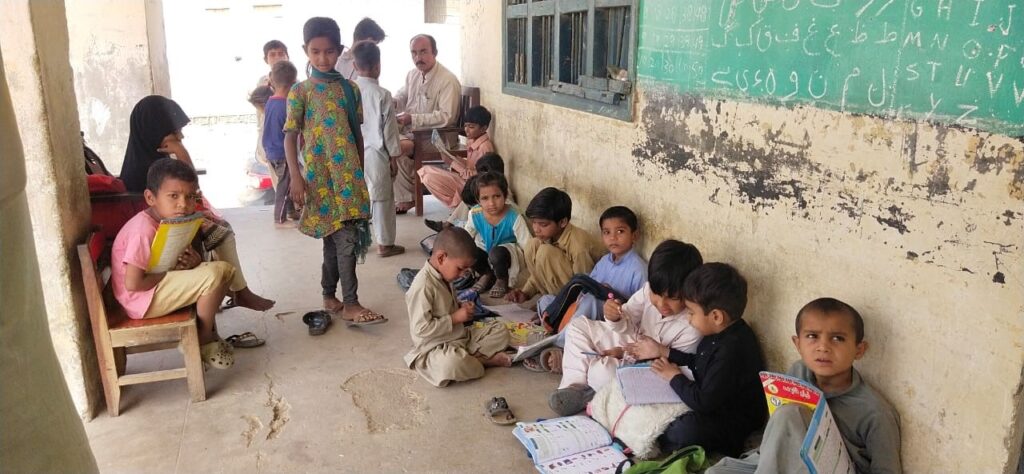
Government schools often lag behind private institutions in access to modern education. This initiative ensures equal learning opportunities for all children, regardless of background.
For official updates, visit the Government of Khyber Pakhtunkhwa official website.
d) Economic Growth
By preparing a tech-ready generation, KP will attract new investments, create skilled job markets, and strengthen its contribution to the national economy.
6. Challenges and Implementation Barriers
Despite its promising vision, the project faces several challenges:
a) Shortage of Trained Teachers
Most schools lack teachers who are skilled in digital technology. The government must prioritize teacher training and provide incentives for educators to specialize in AI-related fields.
b) Limited Infrastructure
Many schools in remote areas still face issues like poor internet access, electricity shortages, and outdated equipment. Addressing these gaps is crucial for effective learning.
c) Curriculum Adaptation
AI education needs to be age-appropriate and relevant to the local context. Designing lessons that balance global standards with regional needs is a complex task.
d) Funding and Sustainability
To ensure long-term success, consistent funding will be required for lab maintenance, software updates, and teacher capacity building.
e) Student Engagement
Introducing a new subject can be challenging if students don’t find it engaging. Therefore, lessons must be interactive, visual, and project-based to maintain interest.
7. Future Strategy and Recommendations
To make this initiative a sustainable success, the following strategies are recommended:
- Phase-wise Implementation: Start with a pilot phase in selected schools, review results, and then expand gradually.
- Public-Private Partnerships: Collaborate with tech companies and universities to support curriculum development and provide training resources.
- Continuous Teacher Development: Conduct regular workshops and refresher courses to ensure teachers stay updated with new AI tools.
- Inclusive Access: Prioritize digital inclusion for girls and underprivileged students to ensure equitable learning.
- Feedback and Improvement: Establish feedback systems where teachers and students can share experiences to continuously refine the curriculum.
- Innovation Competitions: Organize AI-based student competitions to encourage creativity and practical application of learned skills.
8. Conclusion
The introduction of AI education in all government schools across KP marks a transformative moment in the province’s educational journey. It shows a strong commitment to preparing the next generation for a digital world, where understanding technology is as vital as traditional literacy.
If implemented effectively—with strong teacher training, infrastructure upgrades, and consistent monitoring—this initiative can bridge educational gaps and open new horizons for students. It can also serve as a model for other provinces to follow, paving the way for a national transformation in education through artificial intelligence.
KP’s step into AI education is not just a reform—it is the beginning of a new era of smart learning for Pakistan’s youth.