
 by
by Table of Content
- Introduction
- What Are Sunflower Seeds?
- Health Benefits
- Effects on Mental Wellness
- Effects on Physical Wellness
- Nutrients Chart
- Diet Chart
- Calories Burn Chart
- Disadvantages
- Conclusion
1. Introduction
Sunflower seeds are one of the most nutrient-rich, energy-dense foods available today. They are small, crunchy and flavorful seeds that come from the sunflower plant. People consume them for their delicious taste and the dense nutrition they offer, including healthy fats, minerals, vitamins and protein. Because of their powerful nutrient profile, sunflower seeds have become a popular choice among health-conscious individuals, athletes, students and busy professionals. This article explores the complete nutritional benefits of sunflower seeds, along with their impact on mental and physical wellness, diet usage, and potential drawbacks.
2. What Are Sunflower Seeds?
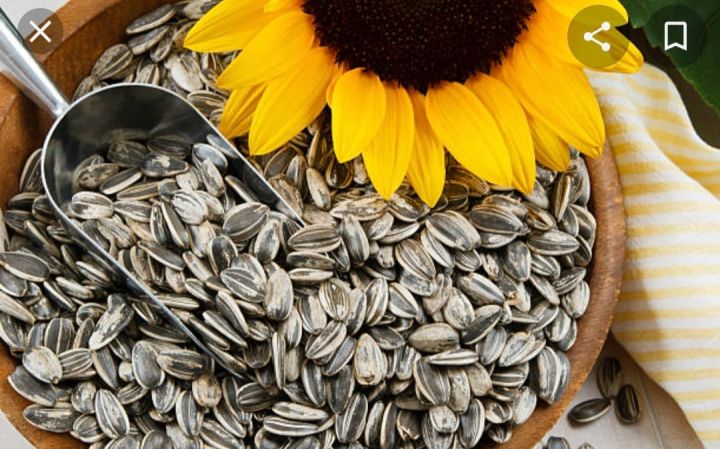
Sunflower seeds are the edible kernels found inside sunflower heads. These seeds are typically covered in a hard shell, but the kernel inside is what people consume. They can be eaten raw, roasted, salted or added to a variety of dishes such as salads, smoothies and baked foods. Since they contain healthy fats and concentrated nutrients, they are considered a convenient and powerful snack for boosting daily nutrition.
3. Health Benefits
Rich in Antioxidants
Sunflower seeds are a top source of vitamin E, which is one of the strongest antioxidants found in natural foods. This helps protect the body’s cells, supports immune function and promotes youthful and healthy skin.
Supports Heart Health
These seeds contain polyunsaturated fats, including linoleic acid, which help lower bad cholesterol. Regular consumption in small amounts can support a healthy heart and improve blood flow.
Boosts Immunity
The combination of vitamin E, zinc, selenium and protein found in sunflower seeds strengthens the immune system. This boosts the body’s ability to defend against infections and seasonal illnesses.
Helps Control Blood Sugar
Sunflower seeds contain fiber and protein that help stabilize blood sugar levels. Their slow-digesting nature is beneficial for people maintaining sugar balance.
ALSO READ
Carrot Pudding Powerful Wellness Guide for Better Health
Promotes Healthy Skin
The vitamin E and healthy fats found in sunflower seeds keep the skin moisturized, glowing and protected from early aging signs.
4. Effects on Mental Wellness
Improves Mood
Sunflower seeds contain magnesium, a mineral linked to mood balance and relaxation. Low magnesium levels can lead to irritability and stress, making sunflower seeds a helpful dietary addition.
Reduces Stress Levels
The seeds contain nutrients that support serotonin production, a hormone associated with relaxation and emotional stability. This helps reduce stress and mental fatigue.
Supports Brain Function
Healthy fats, vitamin B6 and antioxidants in sunflower seeds support brain health by improving memory, focus and overall mental performance. Regular consumption can help maintain cognitive function.
5. Effects on Physical Wellness
Boosts Energy Levels
Sunflower seeds are calorie-dense and contain healthy fats, protein and fiber. These nutrients provide long-lasting energy, making them excellent snacks for busy individuals and athletes.
Muscle Recovery Support
Protein and vitamin B6 found in sunflower seeds help repair muscle tissue after physical activity. This makes them a helpful post-workout snack.
Improves Digestion
The seeds contain fiber that promotes efficient digestion, prevents constipation and maintains healthy bowel movements.
Reduces Inflammation
Sunflower seeds contain antioxidants and healthy fats that help reduce inflammation in the body. This supports joint health and overall physical wellness.
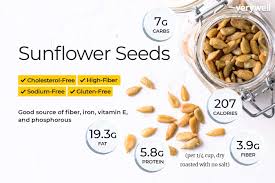
6. Nutrients Chart (Per 100g)
| Nutrient | Amount |
|---|---|
| Calories | Around 580 kcal |
| Protein | Around 20 g |
| Carbohydrates | Around 20 g |
| Healthy Fats | Around 50 g |
| Fiber | 8–10 g |
| Vitamin E | Around 35 mg |
| Magnesium | Around 325 mg |
| Selenium | Around 50–55 mcg |
| Iron | 3–5 mg |
The nutrient values may vary slightly depending on the type of sunflower seeds and whether they are raw or roasted.
7. Diet Chart – Best Ways to Add Sunflower Seeds
| Time | Serving | Benefit |
|---|---|---|
| Morning Snack | 1–2 tablespoons | Increases energy and metabolism |
| Pre-Workout | A small handful | Provides quick, sustained energy |
| Afternoon Snack | A handful | Reduces cravings and improves focus |
| With Meals | 1 tablespoon | Enhances nutrition and texture |
| Before Bed | 1 teaspoon optional | Helps relaxation due to magnesium |
Moderation is important because sunflower seeds contain high amounts of healthy fats and calories.
8. Calories Burn Chart
A standard 50g serving of sunflower seeds has 280–300 calories. To burn these calories, one may perform:
| Activity | Time Needed |
|---|---|
| Brisk Walking | 35–45 minutes |
| Jogging | 20–25 minutes |
| Cycling | 25–30 minutes |
| Gym Workout | 25–35 minutes |
| Aerobics | Around 30 minutes |
| Light Yoga | 45–55 minutes |
Balancing intake and activity ensures you can enjoy sunflower seeds while maintaining a healthy calorie level.
9. Disadvantages
High Calorie Count
Although healthy, sunflower seeds are calorie-dense. Eating them in large amounts may lead to weight gain.
Salt Concerns
Salted or flavored sunflower seeds may contain high sodium levels, which could affect blood pressure when consumed excessively.
Possible Allergies
Some individuals may be allergic to seeds, leading to symptoms such as itching or digestive discomfort.
Digestive Issues
Eating too many sunflower seeds may cause bloating or stomach discomfort due to their fat and fiber content.
Oxalate Content
High oxalate levels may not be suitable for individuals with certain kidney concerns.
10. Conclusion
Sunflower seeds are a powerful, nutrient-rich food suitable for nearly every lifestyle. Their high protein, healthy fats, vitamins and minerals support heart health, brain performance, energy levels and skin wellness. They also aid digestion, reduce stress and help maintain overall physical strength. While they are extremely beneficial, moderation is important due to their calorie density and potential drawbacks for those with allergies or kidney-related conditions. Adding sunflower seeds to a balanced diet can significantly improve daily wellness and nutritional intake.