
 by
by 800+ Illegal Medical Clinics Sealed in Punjab
Table of Contents
- Introduction
- Background of the Issue
- The Sealing Operation
- Reasons Behind Illegal Clinics
- Impact on Public Health
- Government Response and Regulations
- Challenges in Enforcement
- Future Steps and Recommendations
- Conclusion
1. Introduction
Punjab has witnessed a significant crackdown on illegal medical clinics. Over 800 such clinics have been sealed in a recent operation targeting unlicensed and unauthorized medical practices. This move aims to safeguard public health and improve the quality of healthcare services in the province.
2. Background of the Issue
Illegal medical clinics have long been a concern in Punjab. These clinics often operate without proper licenses, qualified staff, or adherence to medical standards. Many provide substandard treatment, putting patients at risk of misdiagnosis, incorrect medication, and even life-threatening consequences.
The lack of strict monitoring and easy access to medical practice licenses contributed to the proliferation of these unregulated clinics.
ALSO RAED Pakistan Medical Exports Set to Reach 30 Billion with Powerful New Growth Plan
3. The Sealing Operation
The provincial health authorities, in collaboration with law enforcement, initiated a comprehensive campaign to identify and shut down illegal medical facilities. Inspections were carried out across major cities and rural areas alike.
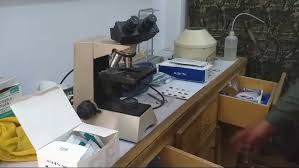
More than 800 clinics were found violating medical regulations, operating without registration or certified medical professionals. These clinics were sealed, and their operators faced legal actions, including fines and potential prosecution.
4. Reasons Behind Illegal Clinics
Several factors contribute to the growth of illegal medical clinics:
- Lack of Awareness: Many patients, especially in rural areas, are unaware of the risks posed by unqualified practitioners.
- Affordable but Unsafe: Illegal clinics often offer cheaper services, attracting low-income patients who cannot afford certified medical care.
- Insufficient Healthcare Infrastructure: Limited access to legitimate healthcare services in some regions forces people to rely on illegal providers.
- Regulatory Gaps: Loopholes in the licensing and monitoring systems allow unqualified individuals to open clinics.
- Economic Pressures: Some practitioners bypass legal requirements to reduce costs and increase profits.
5. Impact on Public Health
The operation to seal illegal clinics is vital due to the severe risks these clinics pose:
- Misdiagnosis and Mistreatment: Unqualified practitioners may misdiagnose conditions or prescribe incorrect medications.
- Spread of Infectious Diseases: Poor hygiene and improper sterilization can lead to outbreaks of infections.
- Patient Exploitation: Vulnerable patients may be subjected to unnecessary treatments or overcharging.
- Loss of Trust: Public confidence in healthcare can decline when unsafe practices are widespread.
6. Government Response and Regulations
The government of Punjab has taken several steps to address the problem:
- Stricter Licensing Laws: New policies require thorough verification before medical licenses are issued.
- Regular Inspections: Health authorities conduct routine inspections to identify illegal practices.
- Public Awareness Campaigns: Educational programs inform citizens about the dangers of illegal clinics and encourage reporting.
- Legal Actions: Operators of illegal clinics face penalties, including fines, clinic closures, and possible jail terms.
- Collaboration with Professional Bodies: The government works with medical associations to regulate and monitor clinics.
7. Challenges in Enforcement
Despite progress, enforcing regulations remains challenging:
- Resource Limitations: Monitoring thousands of clinics requires significant manpower and funding.
- Corruption and Influence: Some illegal operators may evade actions through connections or bribery.
- Geographic Spread: Clinics in remote or rural areas are harder to monitor.
- Patient Demand: High demand for affordable care sometimes leads communities to tolerate illegal clinics.
- Lack of Data: Incomplete records make it difficult to track all unlicensed clinics.
8. Future Steps and Recommendations
To build on current successes, the following measures are recommended:
- Strengthening Regulatory Framework: Closing loopholes and increasing penalties for violations.
- Enhancing Health Infrastructure: Expanding access to affordable, licensed healthcare facilities, especially in underserved areas.
- Improving Data Collection: Creating comprehensive databases of licensed practitioners and clinics.
- Community Engagement: Involving local leaders and NGOs to raise awareness and report illegal operations.
- Capacity Building: Training more inspectors and investing in digital monitoring tools.
9. Conclusion
The sealing of over 800 illegal medical clinics in Punjab is a significant step toward protecting public health and ensuring the provision of safe, qualified medical care. While challenges remain, sustained government efforts combined with public awareness can help eradicate illegal practices and improve the healthcare system’s integrity.