 by
by 📑 Table of Contents
- Introduction
- What Is White Rice
- Health Benefits of White Rice
- Effects on Mental & Physical Wellness
- Nutrients Chart of White Rice
- Diet Chart (Beginner Friendly)
- How Many Calories White Rice Helps You Burn
- Disadvantages of White Rice
- Final Thoughts
1. Introduction
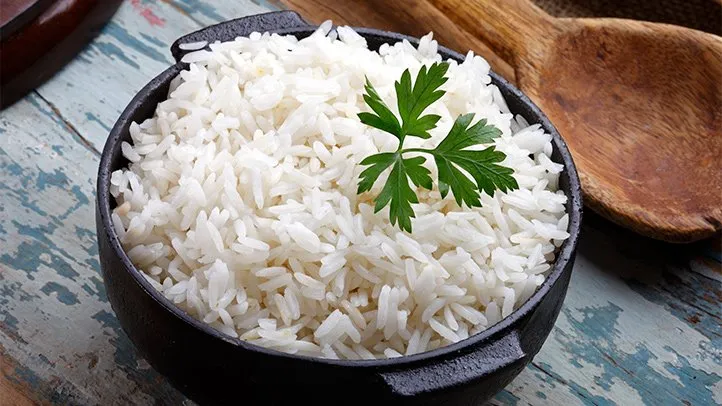
White rice is one of the most widely consumed foods in the world. Its soft texture, mild taste, and quick cooking time make it a staple in millions of households. While it is sometimes labeled as “less nutritious” than brown rice, white rice still provides several health benefits, is easy to digest, and supports energy production.
2. What Is White Rice
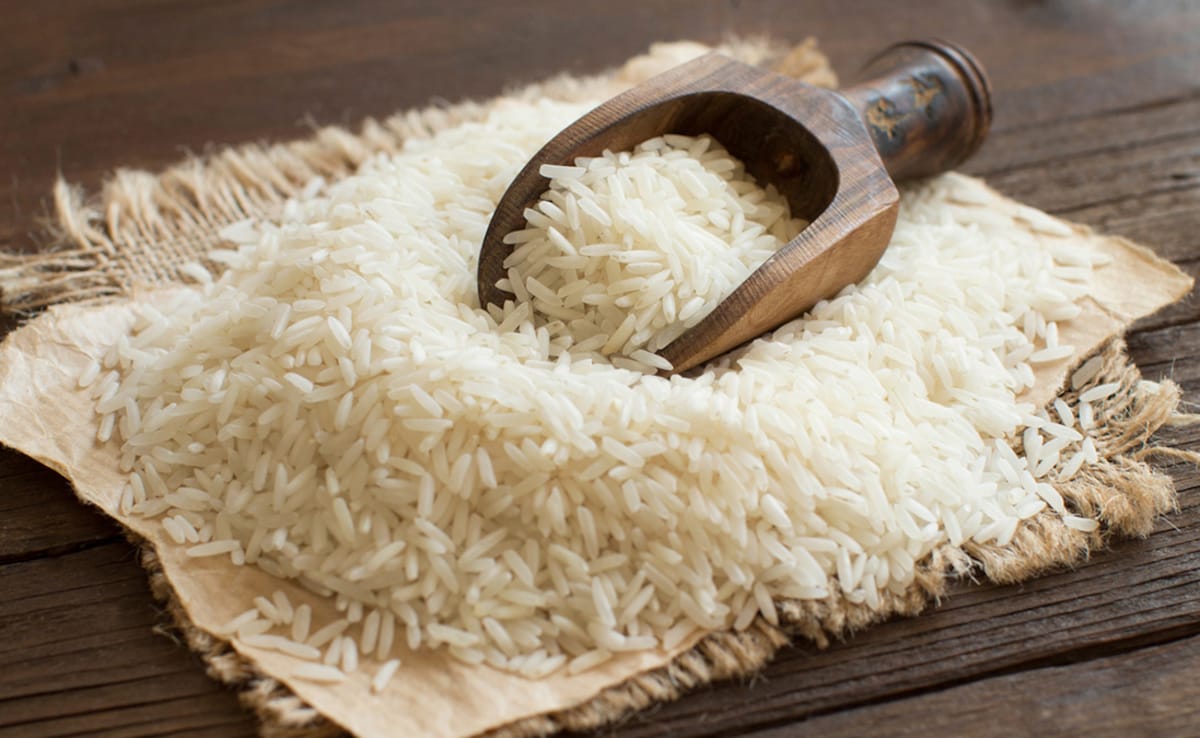
White rice is refined rice from which the bran and germ are removed. This process gives it a longer shelf life, improves its flavor, and makes it easier to cook. Many countries also enrich white rice with iron, folic acid, and other nutrients.
ALSO READ
Eggs Complete Guide to Health Nutrition and Wellness Benefits
3. Health Benefits of White Rice
✔️ Instant Energy Source
White rice is rich in carbohydrates, making it an excellent immediate energy booster. This is why athletes, laborers, and fitness enthusiasts often include it in their meals.
✔️ Easy to Digest
Compared to brown rice, white rice is gentler on the stomach. It is suitable for people with digestive issues, ulcers, diarrhea, or recovering illnesses.
✔️ Low Fiber for Sensitive Stomachs
Its low-fiber nature helps reduce bloating, acidity, and bowel irritation — ideal for people with IBS or Crohn’s disease.
✔️ Supports Muscle Growth
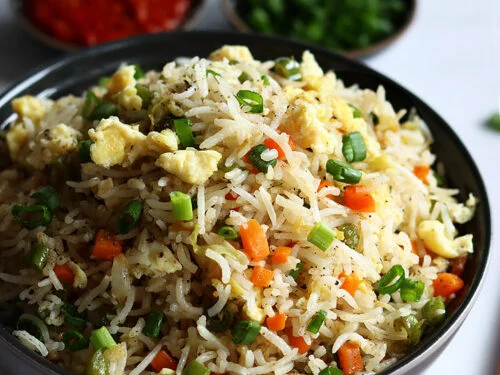
When combined with protein sources like chicken, eggs, or fish, white rice supports muscle recovery and growth by providing fast energy.
✔️ Gluten-Free
White rice is naturally gluten-free, making it safe for people with gluten sensitivity or celiac disease.
✔️ Strengthens Gut Health
Cooked and cooled white rice contains resistant starch, which promotes healthy gut bacteria.
4. Effects on Mental & Physical Wellness
🧠 Mental Wellness
- Provides glucose to the brain, helping maintain focus and mental clarity.
- A warm bowl of rice can improve mood due to its comfort-food effect.
- Stable carbohydrates prevent sudden drops in blood sugar, reducing irritability and fatigue.
💪 Physical Wellness
- Fuels workouts by replenishing glycogen stores.
- Helps recovery after long exercise sessions.
- Enhances stamina and endurance when consumed before training.
- Suitable for underweight individuals trying to gain healthy mass.
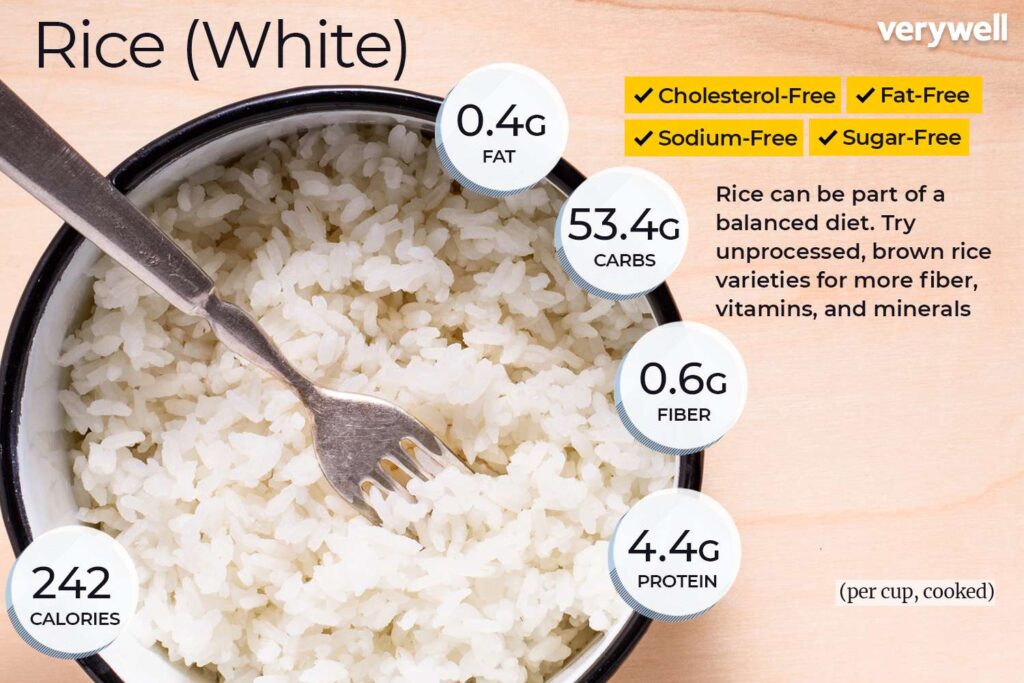
5. Nutrients Chart of White Rice (Per 100g Cooked)
| Nutrient | Amount |
|---|---|
| Calories | 130 kcal |
| Carbohydrates | 28.2 g |
| Protein | 2.7 g |
| Fat | 0.3 g |
| Fiber | 0.4 g |
| Iron | 1.2 mg |
| Calcium | 10 mg |
| Sodium | 1 mg |
| Potassium | 35 mg |
| Folate (B9) | 58 mcg |
6. Diet Chart (Simple & Effective)
🍽️ White Rice Diet Chart for 1 Day
| Meal | What to Eat |
|---|---|
| Breakfast | White rice pudding (kheer light version) + 1 boiled egg |
| Mid-Morning Snack | A handful of nuts or fruit |
| Lunch | 1 cup white rice + grilled chicken/fish + mixed salad |
| Evening Snack | Green tea + roasted chickpeas |
| Dinner | ½ cup white rice + vegetables + lentil soup (dal) |
This diet balances carbs, proteins, and fiber while keeping digestion light.
Who Should Use This Diet?
- Athletes
- People with digestion problems
- Underweight individuals
- People looking for quick energy meals
7. How Many Calories Does White Rice Help You Burn
White rice itself doesn’t burn calories, but it provides energy, helping your body perform activities that do burn calories.
Approximate Calories Burned After Eating Rice (During Normal Activities)
| Activity | Calories Burned per Hour |
|---|---|
| Light walking | 150–200 kcal |
| Household chores | 120–180 kcal |
| Fast walking | 250–350 kcal |
| Jogging | 400–550 kcal |
| Gym workout | 300–600 kcal |
White rice supports these activities by providing quick digestible fuel.
8. Disadvantages of White Rice
⚠️ High Glycemic Index
White rice increases blood sugar levels quickly. People with diabetes should eat controlled portions.
⚠️ Lower in Fiber
Since the bran is removed, it contains less fiber, which may cause constipation if not balanced with vegetables and water.
⚠️ Weight Gain (If Overeaten)
Large portions can lead to calorie surplus and weight gain.
⚠️ Nutrient Loss During Refining
Some vitamins and minerals are removed, but many countries enrich their rice to compensate.
⚠️ Not Ideal for Strict Weight-Loss Diets
Unless portion-controlled, white rice can slow weight loss due to its high carbohydrate content.
9. Final Thoughts
White rice is not a “bad” food — it is simply a carbohydrate-rich, low-fiber, easy-to-digest staple that can be part of a healthy lifestyle. When paired with vegetables, protein, and healthy fats, it becomes a balanced meal that supports both mental and physical wellness.
Moderation and smart pairing are the key to enjoying white rice without disadvantages.