 by
by Table of Content
- Introduction
- What Makes Brown Bread Different
- Major Health Benefits of Brown Bread
- How Brown Bread Supports Mental Wellness
- Physical Wellness Benefits
- Nutrient Chart
- Diet Charts (Weight Loss, Wellness, Gym)
- How Many Calories You Burn After Eating Brown Bread
- Disadvantages of Brown Bread
- Conclusion
1. Introduction
Brown bread has become one of the most popular healthy food choices for people of all ages. Whether someone is focusing on weight loss, fitness, better digestion, or simply switching to a healthier lifestyle, brown bread often becomes part of their daily diet.
Made from whole wheat flour and packed with natural fiber, minerals, vitamins, and complex carbohydrates, brown bread offers long-lasting energy and a balanced nutritional profile. Its mild flavor, soft texture, and versatility make it perfect for breakfast, snacks, and even diet-friendly meals.
This detailed 800+ word guide breaks down everything you need to know about brown bread—its benefits, wellness impact, nutrients, calories burned, diet plans, and more.
2. What Makes Brown Bread Different
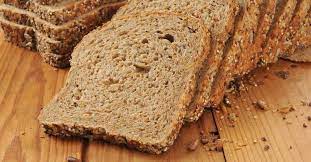
Brown bread is made from whole wheat flour, which means it includes all three essential parts of the grain:
- Bran – fiber-rich outer layer
- Germ – nutrient-rich inner layer
- Endosperm – carbohydrate source for energy
Unlike white bread, which is made from refined flour, brown bread retains most of the natural nutrients found in wheat. This makes it healthier and more filling, with several wellness benefits.
3. Major Health Benefits of Brown Bread
1. Excellent Source of Fiber
Brown bread contains a high amount of dietary fiber, which helps improve digestion, prevent constipation, and support gut health. Fiber also slows down digestion, keeping you full for a longer time.
2. Helps With Weight Loss
Because fiber creates a feeling of fullness, brown bread helps reduce overeating and unnecessary snacking. This makes it ideal for weight loss diets or calorie-controlled meal plans.
3. Good for Heart Health
Whole grains present in brown bread help reduce:
- LDL (bad) cholesterol
- Blood pressure
- Risk of heart diseases
Its magnesium and potassium content further supports heart function.

4. Balances Blood Sugar Levels
The complex carbohydrates in brown bread release energy slowly, preventing blood sugar spikes. This makes it a better option for diabetics compared to refined breads.
5. Boosts Energy Levels
Brown bread provides steady energy throughout the day, making it a great breakfast choice for students, professionals, athletes, and fitness enthusiasts.
6. Supports Immunity
Brown bread contains minerals like zinc, iron, and selenium, which strengthen the immune system and support overall wellness.
7. Rich in Vitamin B
Vitamin B helps regulate metabolism, improve nerve function, and support brain health. Brown bread naturally contains B vitamins because it uses whole grains.
ALSO READ
White Rice Benefits 7 Powerful Reasons Why This Popular Food Is Great for Your Health
4. How Brown Bread Supports Mental Wellness
Your brain needs a steady supply of glucose and nutrients to perform at its best. Brown bread helps in multiple ways:
1. Stable Energy = Better Focus
Since whole grains release glucose slowly, brown bread provides long-lasting mental clarity and better concentration.
2. Supports Mood Regulation
B vitamins present in brown bread help reduce stress and support the production of neurotransmitters responsible for mood balance.
3. Improves Gut–Brain Connection
A healthy gut improves mental health. Fiber in brown bread promotes a balanced gut environment, which can indirectly help reduce anxiety and stress.
5. Physical Wellness Benefits
1. Improved Digestion
The fiber content in brown bread helps keep your digestive system healthy by promoting smooth bowel movements and preventing constipation.
2. Supports Muscle and Bone Strength
Minerals like magnesium, phosphorus, and iron strengthen your bones and improve muscle performance.
3. Enhances Body Performance
Brown bread provides complex carbs, which supply sustained energy during workouts, sports, or physical activity.
4. Helps Manage Healthy Weight
It is low in fat, high in fiber, and keeps your appetite under control—making it ideal for weight management.
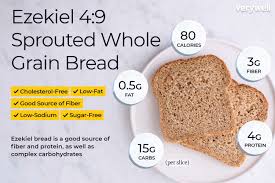
6. Nutrient Chart (Per 1 Slice)
| Nutrient | Amount |
|---|---|
| Calories | 70–80 kcal |
| Carbs | 12–15 g |
| Protein | 3–4 g |
| Fat | 1–1.2 g |
| Fiber | 2–3 g |
| Sodium | 120–150 mg |
| Iron | 0.7 mg |
| Magnesium | 20–25 mg |
| B Vitamins | Present |
| Sugar | 1–2 g |
7. Diet Charts
A. Weight Loss Diet Plan
| Time | Meal |
|---|---|
| Breakfast | 2 slices brown bread + boiled eggs/peanut butter |
| Midday Snack | Green tea + 1 apple |
| Lunch | Brown bread + grilled chicken or vegetables |
| Evening | Black coffee + nuts |
| Dinner | Brown bread + soup or salad |
B. General Wellness Diet Plan
| Time | Meal |
|---|---|
| Breakfast | Brown bread + omelet |
| Lunch | Brown bread vegetable sandwich |
| Evening | Brown bread toast + tea |
| Dinner | Brown bread + lean protein |
C. Gym / High-Energy Diet Plan
| Time | Meal |
|---|---|
| Pre-Workout | Brown bread + banana |
| Breakfast | Brown bread + peanut butter + milk |
| Lunch | Brown bread + grilled meat |
| Post-Workout | Brown bread + protein-rich food |
8. How Many Calories You Burn After Eating Brown Bread
Brown bread itself does not burn calories, but your body uses energy to digest it. This is known as the thermic effect of food (TEF).
Calories burned digesting 2 slices:
- Calories consumed: 140–160 kcal
- Calories burned during digestion: 10–20 kcal
Calories burned during activities:
| Activity | Time | Calories Burned |
|---|---|---|
| Walking | 30 min | 120–150 kcal |
| Jogging | 15 min | 150–200 kcal |
| Light household work | 1 hour | 100–130 kcal |
| Gym workout | 30 min | 200–300 kcal |
9. Disadvantages of Brown Bread
Even though brown bread is healthy, there are some drawbacks:
1. Not Always Pure Whole Wheat
Some brands use white flour and artificial colors to make it appear brown. Always check labels.
2. Contains Gluten
People with celiac disease or gluten intolerance should avoid it.
3. Overeating Can Add Weight
Even though healthy, it still contains carbs. Too much can increase calorie intake.
4. May Cause Bloating
High fiber may cause bloating for people with sensitive digestion.
5. Contains Preservatives
Packaged brown bread often includes preservatives for longer shelf life.
10. Conclusion
Brown bread is a nutritious and versatile food that supports digestion, heart health, brain function, weight loss, and overall wellness. Its high fiber and whole-grain content make it a reliable choice for daily meals.
However, choosing 100% whole wheat brown bread is important to enjoy its full benefits. When consumed in moderation, brown bread can be one of the simplest and healthiest additions to your lifestyle.