
 by
by Table of Contents
- Introduction
- Nutritional Profile of Chicken
- Health Benefits of Chicken
- Physical Health Benefits
- Mental Health Benefits
- Chicken in a Balanced Diet
- Diet Chart with Chicken
- Calories Burned by Chicken Consumption
- Potential Disadvantages of Eating Chicken
- Conclusion
1. Introduction
Chicken is one of the most widely consumed sources of lean protein worldwide. It is versatile, affordable, and can be cooked in numerous ways. From grilling to baking, chicken remains a staple in many diets due to its high nutritional value and role in supporting overall health.
2. Nutritional Profile of Chicken
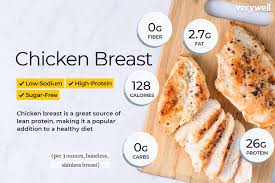
Here’s the approximate nutrient content for 100 grams of cooked skinless chicken breast:
| Nutrient | Amount |
|---|---|
| Calories | 165 kcal |
| Protein | 31 g |
| Fat | 3.6 g |
| Carbohydrates | 0 g |
| Cholesterol | 85 mg |
| Iron | 1 mg |
| Magnesium | 29 mg |
| Phosphorus | 220 mg |
| Potassium | 256 mg |
| Vitamin B6 | 0.6 mg |
| Niacin (B3) | 14 mg |
Chicken is rich in protein and essential vitamins, making it ideal for muscle building, energy production, and overall wellness.

3. Health Benefits of Chicken
Physical Health Benefits
- Supports Muscle Growth:
Chicken is a complete protein source, helping repair and build muscle tissue. - Weight Management:
Low in fat (especially skinless breast), chicken provides satiety while being relatively low in calories. - Boosts Immunity:
The presence of vitamins like B6 and minerals like phosphorus and zinc supports immune function. - Supports Bone Health:
Phosphorus in chicken helps maintain strong bones and teeth.
Mental Health Benefits
- Improves Brain Function:
Chicken contains tryptophan, an amino acid that helps produce serotonin, improving mood and reducing stress. - Reduces Risk of Depression:
Vitamins B6 and B12 support neurotransmitter functions, which are crucial for mental well-being.
4. Chicken in a Balanced Diet
Including chicken in your diet can be beneficial, but it should be part of a balanced eating plan.
ALSO READ
Soup Health Benefits 10 Powerful Reasons This Nutritious Meal Boosts Wellness
Sample Diet Chart with Chicken
| Meal | Food Items |
|---|---|
| Breakfast | Oatmeal + boiled eggs + green tea |
| Snack | Fruit smoothie with Greek yogurt |
| Lunch | Grilled chicken breast + quinoa + veggies |
| Snack | Nuts + Apple |
| Dinner | Baked chicken thighs + brown rice + salad |
| Evening | Herbal tea |
Chicken can be prepared in multiple ways—grilled, baked, boiled, or lightly stir-fried—to retain its nutrients. Avoid deep-frying to minimize unhealthy fat intake.
5. Calories Burned by Chicken Consumption
Chicken aids in calorie management because of its high protein content, which requires more energy to digest (thermic effect of food). On average:
- 100 g chicken breast: 165 kcal
- Calories burned during digestion (approx. 25% of intake): 40 kcal
Regular consumption combined with exercise can help maintain a healthy metabolism and body weight.
6. Potential Disadvantages of Eating Chicken
While chicken is healthy, overconsumption or poor preparation can pose risks:
- High Cholesterol:
Skin-on chicken and fried preparations can raise cholesterol levels. - Risk of Contamination:
Undercooked chicken may contain harmful bacteria like Salmonella or Campylobacter. - Hormones and Antibiotics:
Some commercially raised chickens may contain residues of antibiotics or hormones. Opting for organic or free-range chicken is safer. - Imbalance in Diet:
Excessive reliance on chicken can lead to neglect of other protein sources and vital nutrients.
7. Conclusion
Chicken is a highly nutritious, protein-rich food that benefits both physical and mental health. Including it in a balanced diet supports muscle growth, immunity, and brain function. However, mindful cooking methods and moderation are key to avoiding potential disadvantages. Incorporating vegetables, whole grains, and fruits alongside chicken ensures a well-rounded diet.