 by
by Table of Contents
- Introduction to Pista
- Nutritional Value of Pista
- Health Benefits of Pista
- 3.1 Benefits for Heart Health
- 3.2 Benefits for Brain and Mental Wellness
- 3.3 Benefits for Weight Management
- 3.4 Benefits for Digestion
- 3.5 Benefits for Skin and Hair
- Pista Diet Chart and Serving Suggestions
- Calorie Content and Calories Burn
- Possible Disadvantages of Pista
- Conclusion
1. Introduction to Pista
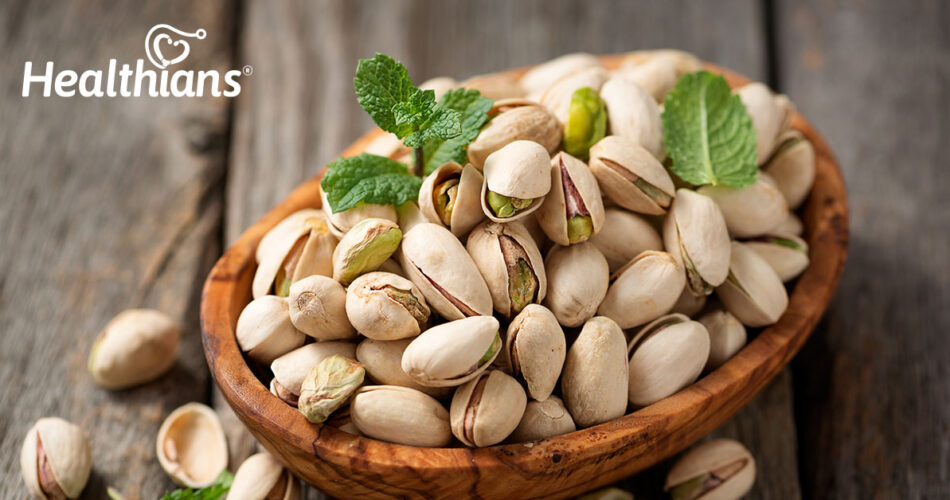
Pista, commonly known as pistachios, is one of the most nutritious nuts consumed worldwide. These small green nuts belong to the cashew family and are rich in healthy fats, protein, fiber, and essential vitamins and minerals. Traditionally eaten as a snack or used in desserts, pista is now celebrated for its multiple health benefits.
Pistachios are not only delicious but also versatile. They can be eaten raw, roasted, salted, or incorporated into smoothies, cereals, and desserts. Regular consumption in moderation can contribute to overall health and wellness.
ALSO READ
Grapefruit Nutrition and Health Benefits Guide
2. Nutritional Value of Pista
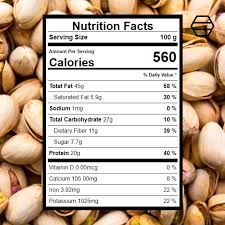
Pistachios are packed with essential nutrients that support physical and mental health. Here’s an approximate nutrient chart for 28 grams (about 49 pistachios):
| Nutrient | Amount per 28g Serving |
|---|---|
| Calories | 159 kcal |
| Protein | 5.72 g |
| Total Fat | 12.85 g |
| Carbohydrates | 7.70 g |
| Fiber | 3 g |
| Vitamin B6 | 0.482 mg |
| Thiamine (B1) | 0.247 mg |
| Copper | 0.364 mg |
| Manganese | 0.297 mg |
| Phosphorus | 139 mg |
| Potassium | 291 mg |
| Magnesium | 34 mg |
| Antioxidants | Lutein, Zeaxanthin |
Key Takeaway: Pistachios are protein-rich, high in fiber, and low in sugar, making them ideal for snacks, weight management, and heart health.
3. Health Benefits of Pista
3.1 Benefits for Heart Health
- Pistachios are rich in unsaturated fatty acids which help reduce bad cholesterol (LDL) levels.
- Potassium and magnesium in pistachios support healthy blood pressure.
- Antioxidants like lutein and polyphenols protect blood vessels and prevent oxidative stress.
Conclusion: Regular pistachio intake can promote cardiovascular health and reduce the risk of heart disease.
3.2 Benefits for Brain and Mental Wellness
- Pistachios contain Vitamin B6, which helps in neurotransmitter production and improves brain function.
- Healthy fats support cognitive function and memory retention.
- Antioxidants in pistachios reduce oxidative stress in the brain and may lower the risk of neurodegenerative diseases.
Conclusion: Eating pistachios can enhance focus, alertness, and overall mental wellness.
3.3 Benefits for Weight Management
- Pistachios are high in protein and fiber, promoting satiety and reducing overeating.
- Studies show pistachio consumption may support weight loss by reducing overall calorie intake.
- Being low in calories compared to other nuts, pistachios are ideal for snacks.
Serving Tip: Limit intake to 30–40 grams per day to avoid excess calorie consumption.
3.4 Benefits for Digestion
- Pistachios are rich in dietary fiber, aiding proper bowel movement.
- Fiber supports healthy gut microbiome by promoting the growth of beneficial bacteria.
- Helps in preventing constipation and maintaining digestive health.
3.5 Benefits for Skin and Hair
- Pistachios are packed with Vitamin E and antioxidants which protect skin cells.
- Helps in reducing signs of aging, like wrinkles and fine lines.
- Biotin and other nutrients improve hair strength and growth.
4. Pista Diet Chart and Serving Suggestions
Here’s a sample pistachio diet chart for daily consumption:
| Time | Serving Suggestion |
|---|---|
| Morning | 10–15 raw pistachios with warm water |
| Mid-morning Snack | Pistachio smoothie or energy bar |
| Lunch | Add 5–10 chopped pistachios to salad |
| Evening Snack | Handful of roasted pistachios |
| Dinner | Sprinkle pistachios on yogurt or dessert |
Tips:
- Avoid salty pistachios if you have blood pressure issues.
- Incorporate pistachios into balanced meals for optimal nutrient absorption.
5. Calorie Content and Calories Burn
- 1 serving (28g / ~49 pistachios) = 159 kcal
- Pistachios are high in protein and fiber, which increases thermic effect of food (TEF) — calories burned during digestion.
- Light exercise after pistachio consumption can help burn extra calories and prevent weight gain.
Example:
- A 30-minute walk can burn 120–150 kcal, almost offsetting a pistachio snack.
- Ideal for people aiming for weight management while enjoying nuts.
6. Possible Disadvantages of Pista
Although pistachios are healthy, overconsumption may lead to some drawbacks:
- High-calorie content: Overeating can contribute to weight gain.
- Allergic reactions: Some people may develop itching, swelling, or digestive issues.
- Excess sodium: Salted pistachios may raise blood pressure.
- Digestive discomfort: Eating too many may cause bloating or gas.
Conclusion: Moderation is key — 30–50 grams daily is generally safe for most people.
7. Conclusion
Pistachios are a nutrient-dense superfood offering multiple benefits for heart, brain, digestion, skin, and weight management. Rich in healthy fats, protein, fiber, vitamins, and antioxidants, they are perfect as snacks or meal additions.
While generally safe, moderation is crucial to avoid weight gain or digestive discomfort. Including pistachios in a balanced diet can significantly improve physical and mental wellness.
Tip: Incorporate pistachios into your daily diet through smoothies, salads, snacks, or desserts for a simple and effective health boost.