 by
by Table of Contents
- Introduction
- Who Is Justice Tariq Jahangiri
- Emergence of Fake Law Degree Allegations
- How the Case Came Into Public Attention
- Inquiry and Verification Process
- Reported Findings of the Case
- Disqualification Decision and Its Meaning
- Legal Importance of Academic Credentials
- Reaction from Legal Circles
- Public Concern and Trust in Judiciary
- Impact on Judicial System
- Future Legal Developments
- Conclusion
Introduction
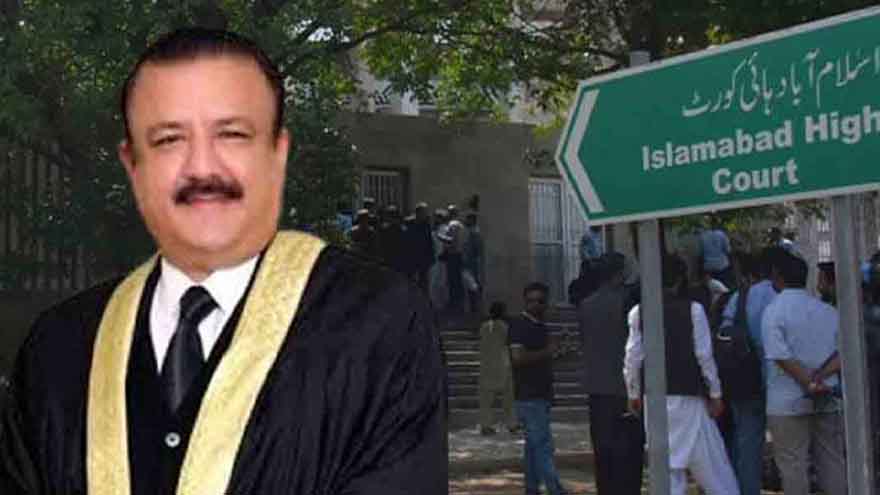
Justice Tariq Jahangiri has reportedly been disqualified following allegations related to a fake law degree. The development has created serious debate within legal and public circles, as academic qualifications are a fundamental requirement for judicial appointments. The case highlights growing concerns over transparency, accountability, and verification procedures in key state institutions.
This issue is not just about one individual but reflects broader questions regarding institutional credibility and trust in the justice system.
Who Is Justice Tariq Jahangiri
Justice Tariq Jahangiri is known as a senior judicial figure who served in an important legal capacity. Over the years, he was involved in handling significant legal matters and decisions. His position placed him among individuals expected to meet the highest standards of professional ethics and qualifications.
Because of his role, any controversy linked to his credentials naturally attracted widespread attention.
ALSO READ
Major Update in CSS Examination System Announced by FPSC
Emergence of Fake Law Degree Allegations
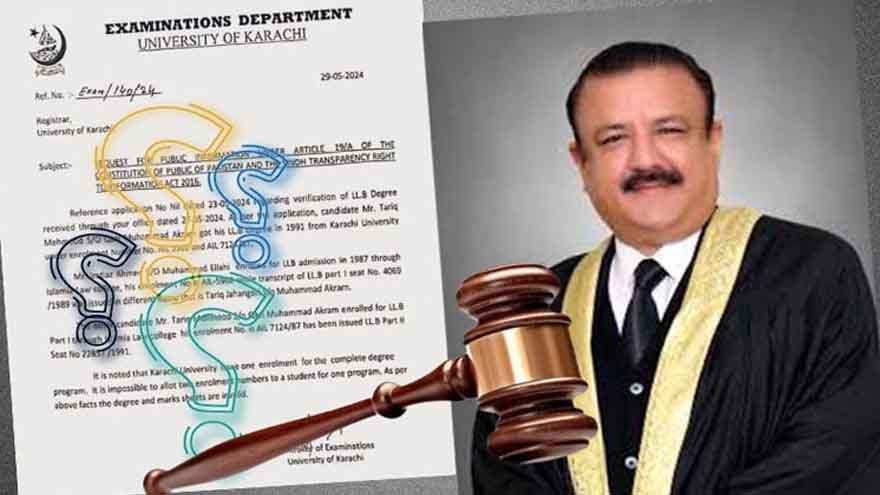
The controversy began when claims surfaced questioning the authenticity of Justice Tariq Jahangiri’s law degree. According to reports, discrepancies were identified in academic records submitted during his professional career.
Such allegations are considered serious, as a valid law degree is a basic legal requirement to practice law and to hold judicial office.
How the Case Came Into Public Attention
The matter came to light after a formal complaint was reportedly filed with relevant authorities. Once the issue entered official channels, it became part of a legal inquiry process.
Media coverage intensified as details of the complaint spread, prompting public interest and debate. The case quickly became a subject of national discussion due to its implications for judicial integrity.
Inquiry and Verification Process
Authorities reportedly initiated a verification process to examine educational records and related documents. This process usually involves checking institutional enrollment data, degree issuance records, and timelines.
During the inquiry, the accused individual is typically given the right to present explanations or supporting evidence. This ensures compliance with legal principles and fairness.
Reported Findings of the Case
According to available reports, the inquiry concluded that the law degree in question did not meet required legal standards. Based on these findings, the case moved toward disciplinary action.
While full official details are still awaited, sources suggest that the conclusion played a decisive role in shaping the final outcome.
Disqualification Decision and Its Meaning
Justice Tariq Jahangiri was reportedly disqualified as a result of the findings. Disqualification in such cases means the individual is no longer eligible to hold judicial office due to non-fulfillment of basic legal criteria.
This step is seen as a strict but necessary measure to uphold institutional integrity and ensure compliance with the law.
“According to the official Islamabad High Court website, details of judicial appointments, case status, and court notices are publicly accessible (ihc.gov.pk)
Legal Importance of Academic Credentials
Academic qualifications are the foundation of the legal profession. A law degree ensures that judges possess essential legal knowledge, analytical ability, and understanding of constitutional principles.
Failure to meet these requirements can raise doubts about the legitimacy of judicial decisions and weaken public confidence in the legal system.
Reaction from Legal Circles
The legal community has shown mixed reactions to the reported decision. Some legal experts consider it a positive move toward accountability, emphasizing that no one should be exempt from scrutiny.
Others urge caution, stressing that conclusions should be based only on officially published findings. Many have called for greater transparency in the appointment and verification process.
Public Concern and Trust in Judiciary
Public response has been intense, with citizens expressing concern over how such issues can arise at senior levels. Trust in the judiciary is closely linked to perceptions of honesty and competence.
Cases involving academic fraud risk damaging public faith in legal institutions if not addressed decisively and transparently.
Impact on Judicial System
This case may encourage stricter verification procedures for judicial appointments in the future. It also sends a strong message about accountability and professional responsibility.
Although individual cases are handled separately, the broader impact could include reforms aimed at preventing similar controversies.
Future Legal Developments
Legal observers expect further developments, including possible appeals or review proceedings. Official statements and detailed orders are anticipated to clarify the legal reasoning behind the reported decision.
The final resolution will determine the long-term implications of the case.
Conclusion
The reported disqualification of Justice Tariq Jahangiri in a fake law degree case underscores the importance of transparency, accountability, and proper verification within the judiciary. While the matter continues to evolve, it serves as a reminder that institutional credibility depends on strict adherence to legal and ethical standards.
Ensuring integrity at all levels of the justice system remains essential for maintaining public trust and the rule of law.