 by
by Prime Minister Shehbaz Sharif has taken a decisive step to improve Pakistan’s port infrastructure with a set of major reforms aimed at reducing cargo delays and boosting exports. This initiative comes as part of the government’s broader efforts to strengthen trade, improve logistics, and enhance the competitiveness of Pakistani goods in global markets.
During a high-level meeting with port authorities and private sector stakeholders, the Prime Minister emphasized that efficient ports are critical for economic growth, as delays and congestion have long increased trade costs, affected supply chains, and reduced the competitiveness of local exporters.
Key Port Reforms Announced
1. Reducing Cargo Dwell Time
The government has prioritized reducing the time containers and cargo spend at ports before clearance. Long dwell times have historically increased costs for importers and exporters. Streamlined customs procedures and enhanced coordination among port agencies are expected to significantly cut cargo handling time.
2. Elimination of Redundant Testing
To further speed up port operations, unnecessary laboratory testing of cargo will be minimized, and essential tests will be conducted inside port premises. This change is expected to reduce delays and simplify clearance procedures for traders.
3. Lower Port Charges
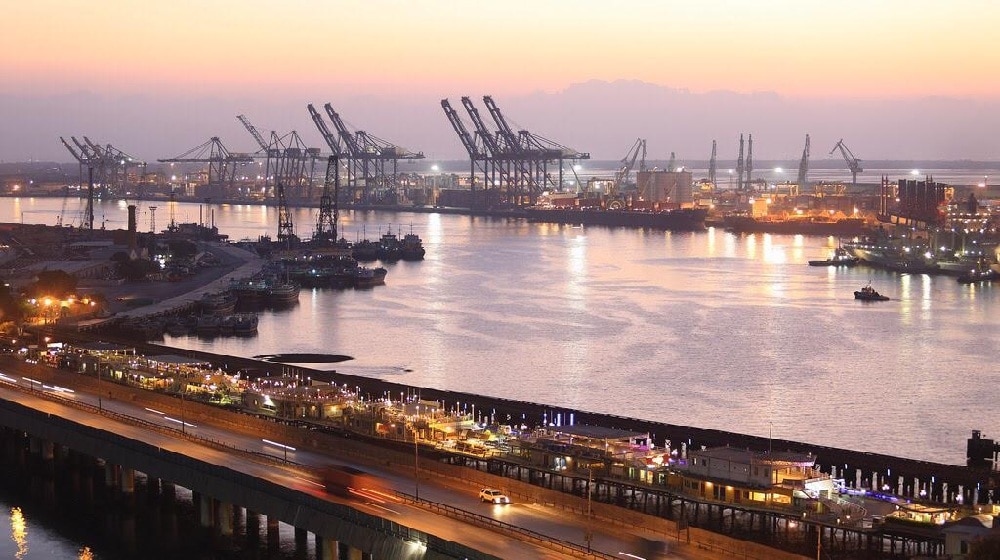
High handling and service charges at major ports like Karachi and Port Qasim have been a burden for exporters. The Prime Minister ordered reduction of port fees, which will lower overall trade costs and increase Pakistan’s export competitiveness.
4. Improved Rail and Inland Connectivity
Recognizing that ports need seamless connections to inland markets, rail and road links will be upgraded. Improved transport networks will facilitate faster cargo movement, reduce congestion, and ensure smooth supply chain operations across the country.
ALSO READ
Federal Cabinet Greenlights 5G Spectrum Auction in Pakistan for February 2026
5. Expansion of Port Facilities
Plans to expand port terminals and dredge channels for larger vessels are underway. These upgrades will allow more cargo to be handled efficiently, reduce congestion, and accommodate growing trade volumes.
6. Transparent System for Abandoned Cargo
A dedicated auction system for abandoned goods will be established. This initiative will clear space at ports, increase operational efficiency, and ensure that unused cargo does not block valuable terminal capacity.
Impact on Pakistan’s Economy
Efficient ports are vital for Pakistan’s economic growth. By reducing cargo delays, trade costs decrease, exports increase, and the overall business environment improves. Key sectors such as textiles, agriculture, and manufacturing are expected to benefit the most. Faster clearance of goods will help exporters meet international delivery timelines and maintain competitiveness in global markets.
The port reforms are also likely to attract foreign investment and improve trade relations by offering a more reliable and efficient logistics system. Reducing procedural delays and charges aligns Pakistan’s ports with global standards, making them attractive for international shipping companies.
Reactions from Industry Experts
Private sector leaders have welcomed the reforms, describing them as long overdue. Efficient ports will lower costs, encourage business growth, and increase investor confidence. Economists have highlighted that these changes will have a multiplier effect across the economy, benefiting not only exporters but also local industries relying on imported raw materials.
Long-Term Vision
The government’s reforms aim to transform Pakistan’s ports into world-class facilities capable of handling growing trade volumes efficiently. The modernization plan includes digital systems for cargo tracking, online bidding for abandoned cargo, and enhanced security measures. These steps ensure transparency, speed, and accountability, which are critical for sustainable economic development.
For official updates on port reforms and cargo efficiency, visit
Ministry of Maritime Affairs (Government of Pakistan).
Improved port efficiency is also expected to strengthen Pakistan’s role in regional trade, making the country a strategic logistics hub for South Asia and the Middle East.
Conclusion
Prime Minister Shehbaz Sharif’s port reforms mark a turning point for Pakistan’s trade and logistics sector. By reducing cargo dwell times, eliminating redundant procedures, lowering port charges, and improving connectivity, these initiatives are set to boost exports, cut trade costs, and enhance economic growth. With efficient and modern ports, Pakistan can strengthen its position in international markets and attract investment, ensuring long-term economic stability and prosperity.