 by
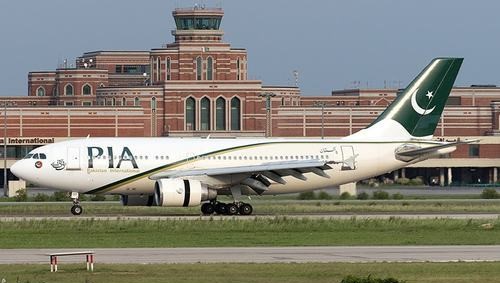
by Islamabad — In a landmark move for Pakistan’s economic reform agenda, the Privatisation Commission Board has officially recommended the Arif Habib Consortium’s bid for Pakistan International Airlines (PIA) to the Cabinet Committee on Privatisation for approval. This recommendation comes after a highly competitive bidding process, highlighting the government’s commitment to involving the private sector in revitalizing state-owned enterprises.
Key Details of the Bid
The Arif Habib-led consortium has offered a Rs135 billion bid for a 75% stake in PIA. The recommendation by the Privatisation Board signals confidence in the consortium’s financial strength, strategic plan, and capability to manage and transform the national airline. Approval from the Cabinet Committee on Privatisation would be the final step before formal acquisition and operational control is handed over to the consortium.
The consortium includes some of Pakistan’s leading business groups, ensuring not only the financial capacity to execute the transaction but also bringing diverse expertise in sectors like finance, real estate, and education.
Background: PIA’s Challenges and the Need for Privatisation
PIA, once a symbol of national pride and regional prominence, has been facing decades of operational inefficiency and financial losses. Repeated attempts at internal reform have not yielded the desired results. Privatisation is seen as a necessary step to stabilize the airline, attract private investment, and reduce the fiscal burden on the government.
The government has designed a structured privatisation process to ensure transparency and competitiveness. It included pre-qualification of bidders, rigorous due diligence, and a transparent evaluation process. The final recommendation by the Privatisation Board reflects the culmination of this detailed and careful assessment.
Strategic Importance of the Arif Habib Consortium Bid
The consortium’s bid exceeds the government’s reference price and demonstrates strong private sector interest in reviving PIA. Key advantages of this bid include:
- Financial Strength: The consortium’s financial resources ensure the necessary capital injection for operational improvements.
- Strategic Expertise: The involvement of diverse corporate entities brings management experience and operational know-how to enhance PIA’s performance.
- Transparency: The competitive bidding process enhances credibility and investor confidence in Pakistan’s privatisation framework.
Benefits for the Government and Economy
1. Fiscal Relief
Privatisation will transfer the operational responsibility of a loss-making enterprise to the private sector, reducing the government’s financial burden. This move is expected to bring a significant upfront payment while also encouraging reinvestment into the airline for modernization and expansion.
ALSO READ
IPP Dues in Pakistan Reach Rs 1.2 Trillion with Rs 500 Billion Owed to Chinese Firms
2. Boost to Investment Climate
A successful, transparent privatisation process enhances Pakistan’s reputation among domestic and international investors. It demonstrates that complex state-owned enterprises can be privatized efficiently, encouraging more investment in other sectors like power, banking, and infrastructure.
3. Job Security and Operational Continuity
The transaction structure guarantees employee protection for at least one year following the transition. This measure ensures a smooth operational handover while maintaining workforce stability during the restructuring period.
What Comes Next
Following the Privatisation Board’s recommendation, the following steps are expected:
- Cabinet Committee Review: The Cabinet Committee on Privatisation will assess the bid terms and ensure compliance with regulatory requirements.
- Final Ratification: The federal cabinet will provide final approval for the transaction.
- Contract Signing and Transfer: After approval, formal agreements will be signed, transferring operational control to the consortium.
- Operational Handover: The consortium is expected to begin managing PIA within a few months of approval, implementing strategic and operational changes to enhance efficiency.
The consortium also holds an option to acquire the remaining 25% stake, potentially gaining full ownership over time under agreed terms and conditions.
Expert Views and Broader Implications
Analysts consider this development a test case for Pakistan’s privatisation program. Successful execution will enhance transparency, encourage further foreign and domestic investment, and strengthen institutional confidence in the country’s economic reforms.
Privatisation aligns with broader fiscal targets by reducing losses from state-owned enterprises, improving service delivery, and fostering a competitive business environment. The PIA deal, given its national significance, is expected to set a benchmark for future privatisation initiatives.
Conclusion
The recommendation of the Arif Habib Consortium’s bid to the Cabinet Committee on Privatisation marks a critical milestone in Pakistan’s economic reform journey. Approval of this bid will not only revitalize PIA but also demonstrate the government’s commitment to involving the private sector in restructuring and managing key state assets.
This move has the potential to bring financial stability, operational efficiency, and enhanced investor confidence, signaling a new era for Pakistan’s national airline and the country’s broader privatisation program.