 by
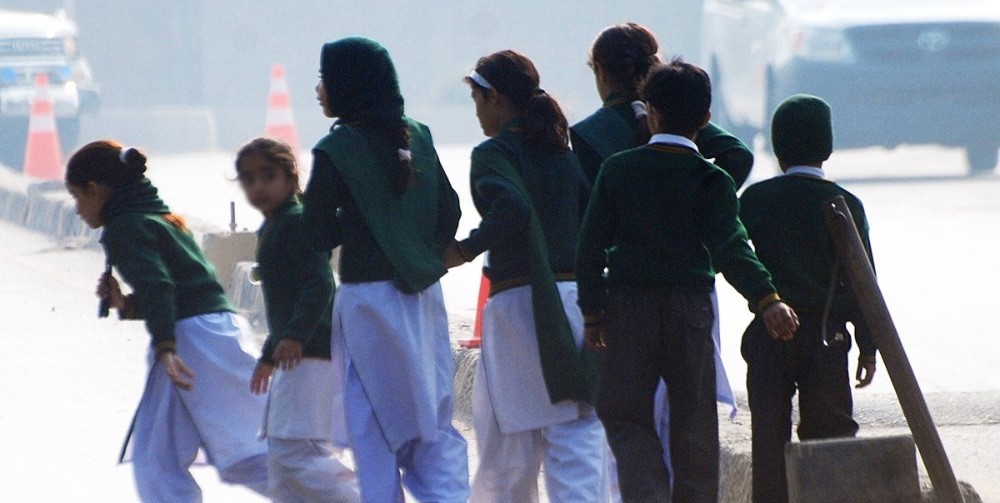
by The government of Khyber Pakhtunkhwa (KP) has recently announced a new mandatory requirement for all schools in the province, aiming to improve education quality, ensure compliance with regulatory standards, and enhance student safety. This move is part of the provincial government’s broader education reform initiative, which focuses on standardizing educational practices and improving the overall learning environment.
The new policy will impact both public and private schools, emphasizing accountability, teacher qualifications, curriculum standards, and infrastructural compliance. School administrations are now required to implement these measures within a stipulated timeline, ensuring alignment with the provincial education framework.
Key Highlights of the New Requirement
The KP education authorities have outlined several key components that schools must fulfill under this new mandate:
- Teacher Qualification and Certification
- All teaching staff must possess relevant certifications recognized by the provincial education board.
- Continuous professional development and refresher courses will be mandatory to ensure teaching quality.
- Safety and Security Measures
- Schools are required to implement strict safety protocols including fire safety equipment, secure gates, and emergency evacuation plans.
- Regular safety audits will be conducted to ensure compliance with provincial regulations.
- Student Health and Wellbeing
- Introduction of regular health check-ups and medical records maintenance.
- Mental health and counseling services will be integrated into school programs to support student welfare.
- Infrastructure Compliance
- Schools must meet minimum infrastructure standards, including well-ventilated classrooms, proper sanitation facilities, and adequate recreational spaces.
- Non-compliance may result in penalties or suspension of registration until standards are met.
- Curriculum Standardization
- All schools are required to adopt a uniform curriculum approved by the KP education board.
- Emphasis will be placed on STEM subjects, digital literacy, and extracurricular activities to ensure holistic development.
- Digital Record Keeping and Reporting
- Schools must maintain digital records for attendance, academic performance, and administrative processes.
- Regular reporting to provincial education authorities will be mandatory for monitoring purposes.
Timeline for Implementation
The KP education department has provided schools with a timeline for compliance, allowing institutions adequate time to adopt necessary measures. While certain requirements, such as teacher certifications and curriculum changes, may require immediate attention, infrastructural improvements are to be completed within a specified period.
ALSO READ
Shaheen Chowk Underpass Disruptions Force Universities to Postpone Examinations
Authorities have stressed that schools failing to comply within the deadline may face administrative action, including fines, temporary closure, or deregistration. This strict approach ensures that all institutions uphold the new standards uniformly.
Benefits of the New Requirement
The introduction of these requirements is expected to deliver multiple benefits:
- Improved Quality of Education: Qualified teachers and standardized curricula will enhance learning outcomes for students across the province.
- Enhanced Student Safety: Safety protocols and regular audits will create a secure environment conducive to learning.
- Focus on Holistic Development: Integration of extracurricular activities, digital literacy, and counseling services ensures comprehensive student growth.
- Accountability and Transparency: Digital reporting and monitoring improve institutional accountability and help authorities track progress effectively.
- Long-term Educational Reform: These measures form part of a broader strategy to elevate KP’s educational standards nationally.
Challenges and Considerations
While the new mandate is widely appreciated, schools face several challenges in implementation:
- Financial Constraints: Smaller schools, especially in rural areas, may struggle to meet infrastructural and staffing requirements.
- Training and Professional Development: Continuous training of teachers requires time, resources, and planning.
- Monitoring and Enforcement: Ensuring uniform compliance across all schools in KP is a complex task for authorities.
Authorities have assured schools that support mechanisms, guidelines, and assistance programs will be provided to facilitate smooth implementation.
Impact on Students, Parents, and Educators
For students, the new requirements mean better learning environments, improved safety, and access to holistic educational programs. Parents can expect higher accountability from schools and improved monitoring of their child’s progress.
Educators and school administrators will need to adapt quickly, incorporating new practices and maintaining compliance with regulations. Professional development programs and workshops will play a crucial role in easing this transition.
Future Outlook
The KP government’s introduction of this mandatory requirement represents a significant step toward modernizing and standardizing the education sector. With consistent implementation, these measures are expected to improve overall academic outcomes, foster student well-being, and strengthen the province’s education infrastructure.
For official information and updates on the new mandatory school requirements in Khyber Pakhtunkhwa, readers can refer to the KP Elementary & Secondary Education Department official portal .
Schools that adopt the new standards efficiently are likely to serve as models for educational excellence, encouraging other institutions to follow suit. In the long term, these reforms aim to align KP’s education system with national and international best practices, ensuring that students are better prepared for higher education and professional careers.
Conclusion
The new mandatory requirement for schools in KP demonstrates the provincial government’s commitment to quality, safety, and accountability in education. By focusing on teacher qualifications, safety measures, curriculum standardization, and digital record-keeping, the policy seeks to create a well-rounded and secure learning environment for all students.
While challenges exist in implementing these reforms, proactive planning, support from authorities, and cooperation from school administrations can ensure successful compliance. As the initiative moves forward, it is expected to raise the standards of education in KP, benefiting students, parents, and educators alike.