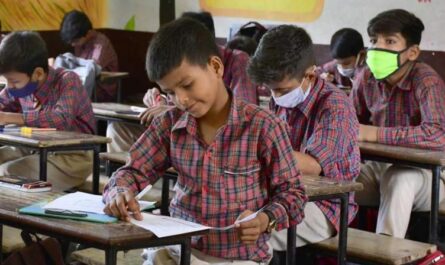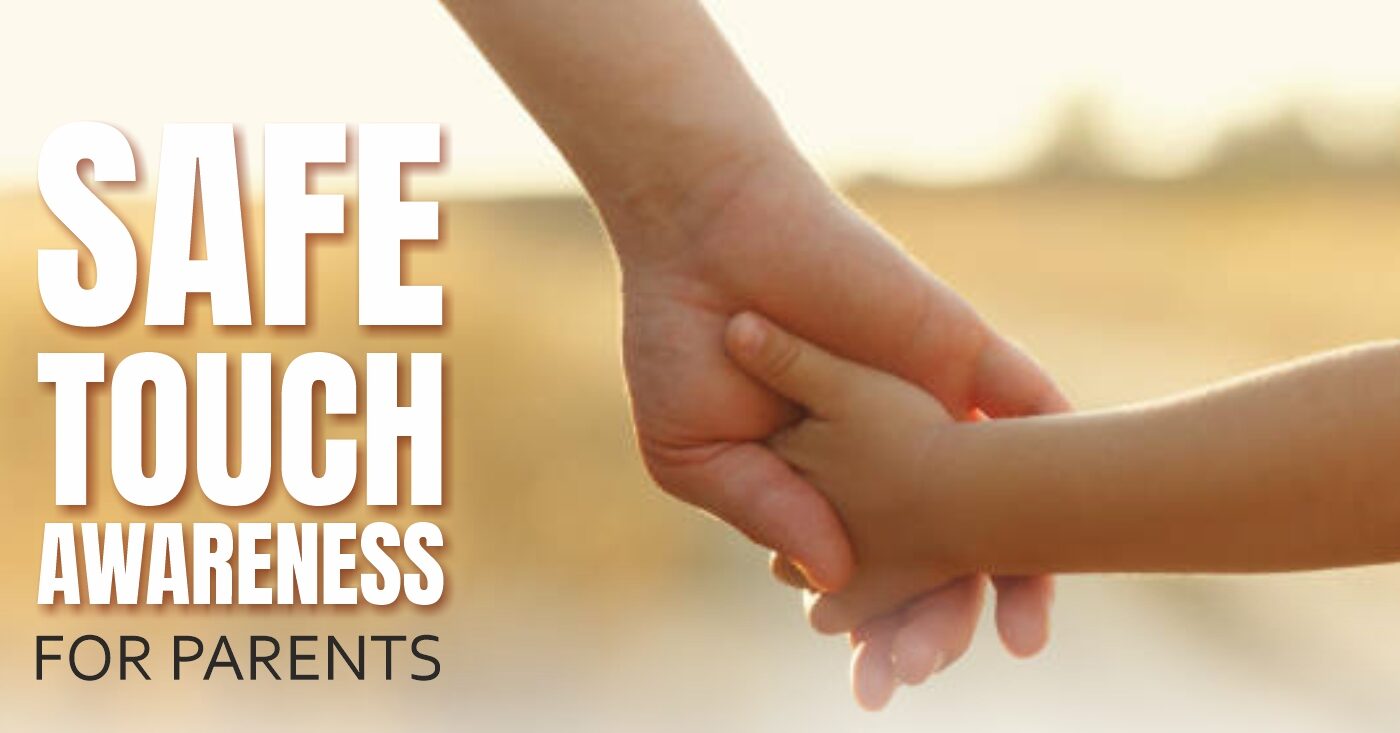
 by
by Table of Contents
- Introduction
- What Is the Parliamentary Caucus on Child Rights
- Understanding ‘Good Touch, Bad Touch’ Education
- Why This Education Is Necessary
- Rising Concerns About Child Abuse
- Proposal for Including It in School Syllabus
- Role of Schools and Teachers
- Role of Parents and Guardians
- Cultural Sensitivities and Challenges
- International Practices on Child Safety Education
- Expected Benefits of the Proposal
- Government and Policy-Level Response
- Future Outlook
- Conclusion
- Keywords
1. Introduction
The Parliamentary Caucus on Child Rights has proposed the inclusion of ‘Good Touch, Bad Touch’ education in school syllabi to protect children from abuse and exploitation. The suggestion highlights growing concerns about child safety and the need for awareness at an early age.
The proposal aims to educate children about personal boundaries in a safe, age-appropriate, and culturally sensitive manner.
2. What Is the Parliamentary Caucus on Child Rights
The Parliamentary Caucus on Child Rights is a cross-party forum of lawmakers dedicated to promoting and protecting children’s rights in Pakistan. It works closely with government departments, civil society organizations, and international bodies.
Its main focus areas include child protection, education, health, and prevention of abuse and exploitation.
3. Understanding ‘Good Touch, Bad Touch’ Education
‘Good Touch, Bad Touch’ education teaches children to recognize appropriate and inappropriate physical contact. It helps them understand personal boundaries and empowers them to speak up if they feel unsafe.
This form of education does not involve graphic or explicit content. Instead, it uses simple language, stories, and examples suitable for different age groups.
4. Why This Education Is Necessary
Children often lack the knowledge to identify abusive behavior. Many cases of abuse go unreported because children feel confused, scared, or ashamed.
By learning about safe and unsafe touch, children can better protect themselves and seek help when needed. Early awareness plays a crucial role in prevention.
ALSO READ
Islamabad Introduces New Rules for Private School Registration Policy Framework
5. Rising Concerns About Child Abuse
Recent reports from child rights organizations indicate a steady rise in cases of child abuse, harassment, and exploitation. Many incidents occur within familiar environments, making detection even more difficult.
Experts believe silence, lack of education, and social stigma contribute to underreporting of such cases.
6. Proposal for Including It in School Syllabus
The Parliamentary Caucus has suggested formally integrating child safety education into the national and provincial school curricula. The proposal emphasizes:
- Age-appropriate content
- Teacher training programs
- Child-friendly teaching methods
- Alignment with cultural and social values
The goal is to ensure children receive consistent and structured education on personal safety.
7. Role of Schools and Teachers
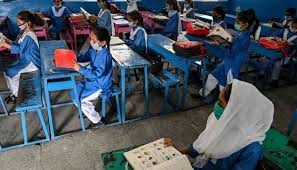
Schools play a central role in implementing this initiative. Teachers must be trained to handle the subject sensitively and professionally.
Educational materials should be designed to create a safe learning environment where children feel comfortable asking questions and expressing concerns.
8. Role of Parents and Guardians
Parental involvement is critical for the success of this initiative. Parents should reinforce lessons at home and maintain open communication with their children.
Awareness sessions and workshops for parents can help address misconceptions and build trust in the education system.
9. Cultural Sensitivities and Challenges
One of the main challenges is addressing cultural resistance. Discussions around physical boundaries are often considered sensitive topics in conservative societies.
To overcome this, experts recommend focusing on safety, respect, and well-being rather than fear or shame. Community engagement is essential for acceptance.
10. International Practices on Child Safety Education
Many countries have already incorporated child protection education into school curricula. These programs have proven effective in reducing abuse and encouraging reporting.
International models emphasize child-friendly language, storytelling, and role-playing to convey important messages.
11. Expected Benefits of the Proposal
If implemented successfully, the initiative can bring multiple benefits:
- Increased child awareness and confidence
- Early reporting of abuse
- Reduced risk of exploitation
- Stronger child protection mechanisms
- Safer school environments
This education can empower children without causing fear or anxiety.
12. Government and Policy-Level Response
The proposal is currently under discussion among education authorities and policymakers. Experts stress the need for coordination between federal and provincial governments.
Policy-level support, funding, and curriculum development will be key to successful implementation.

13. Future Outlook
The suggestion by the Parliamentary Caucus reflects a broader shift toward child-centered education policies. With proper planning, training, and monitoring, this initiative could set a new standard for child safety education in Pakistan.
Long-term success will depend on sustained political commitment and public awareness.
The Parliamentary Caucus on Child Rights recommends integrating ‘Good Touch, Bad Touch’ education in school curricula to protect children from abuse. For official guidelines and child protection initiatives, visit the National Commission on the Rights of Child (NCRC) website.
14. Conclusion
The recommendation to include ‘Good Touch, Bad Touch’ education in school syllabi is a significant step toward protecting children’s rights and safety. By empowering children with knowledge and confidence, society can move closer to preventing abuse and ensuring a safer future.
Education, awareness, and collective responsibility are essential to making this initiative effective and sustainable.