 by
by Table of Contents
- Overview: What is a Tola and Why It Matters
- Current Gold Price Trends in Pakistan
- Why the Perception of Decrease Exists
- Key Drivers of Gold Price Fluctuations
- Implications for Consumers and Investors
- Outlook: What to Expect in the Near Term
- Summary
1. Overview: What is a Tola and Why It Matters
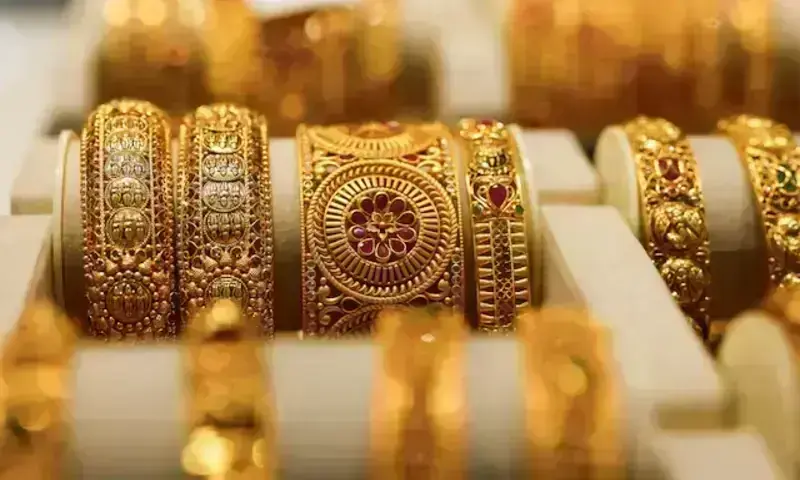
In Pakistan, gold is measured in tola, a traditional unit roughly equal to 11.66 grams. It is widely used in both jewellery and bullion trading.
The per tola price is important because it acts as a benchmark for:
- Wedding and gift jewellery
- Investment in gold bars and coins
- Hedge against inflation and currency depreciation
Monitoring the per tola price gives consumers and investors insight into both market trends and potential costs.
2. Current Gold Price Trends in Pakistan
Despite the notion that gold prices are “decreasing,” the data from 2025 shows a steady upward trend.
- Mid-2025: Around Rs 354,000 per tola
- October 2025: Approximately Rs 433,000–440,000 per tola
These numbers indicate a significant increase over the year. While minor daily fluctuations may occur, the general trend is upward.
ALSO READ
CDA Launches Powerful Cashless One Window System: 5 Benefits Making Islamabad a Digital City
3. Why the Perception of Decrease Exists
Short-term dips or misperceptions can make it seem like gold prices are falling. Reasons include:
- Market corrections: Daily fluctuations may temporarily lower prices.
- Currency fluctuations: A strengthening Pakistani rupee can temporarily reduce the local price of gold.
- Purity differences: Comparing 24K, 22K, and 18K gold can create a perception of a decrease.
- Regional differences: Prices can vary slightly between cities.
- Short-term comparisons: Minor dips following high peaks may appear as continuous decreases.
4. Key Drivers of Gold Price Fluctuations
Several factors influence gold prices in Pakistan:
4.1 Rupee Depreciation
When the Pakistani rupee weakens against the US dollar, the local gold price usually rises.
4.2 International Gold Prices
Global bullion prices directly impact Pakistan’s gold rates.
4.3 Inflation and Economic Uncertainty
Gold acts as a hedge against inflation, and economic instability often increases demand.
For more details, you can access the official reports here.”
4.4 Cultural and Seasonal Demand
Festivals and wedding seasons can temporarily raise demand and prices.
4.5 Supply Chain and Import Costs
Duties, transportation, and local mark-ups affect the final retail price of gold.
5. Implications for Consumers and Investors
Consumers (Jewellery Buyers):
- Rising prices increase jewellery costs.
- Delaying purchases may be risky if prices continue upward.
- Purity choice (24K, 22K, 18K) affects the cost.
Investors (Gold as a Hedge):
- Gold remains a safe asset for wealth preservation.
- Buying at high rates requires a long-term perspective.
- Consider liquidity, purity, and resale costs before investing.
Risks:
- Short-term fluctuations may impact resale value.
- Overestimating short-term gains may lead to losses.
6. Outlook: What to Expect in the Near Term
- Continued rupee depreciation or high inflation could push prices higher.
- Global gold market changes may stabilize or lower prices temporarily.
- Seasonal trends can create small peaks during weddings and festivals.
- Investors should focus on long-term holding, while buyers may look for minor dips.
7. Summary
- The per tola gold price in Pakistan has not been decreasing; it has risen steadily in 2025.
- Prices are influenced by global gold rates, currency fluctuations, inflation, seasonal demand, and supply chain costs.
- Consumers and investors need to balance timing, purity, and long-term planning when buying gold.
- Minor dips may occur, but the overall trend remains upward.