 by
by Table of Contents
- Current Exchange Rate Snapshot
- Mixed Trend Against the US Dollar
- Performance Against Other Major Currencies
- Key Drivers Behind the Movements
- Implications for Pakistan’s Economy
- Outlook & What to Watch
1. Current Exchange Rate Snapshot
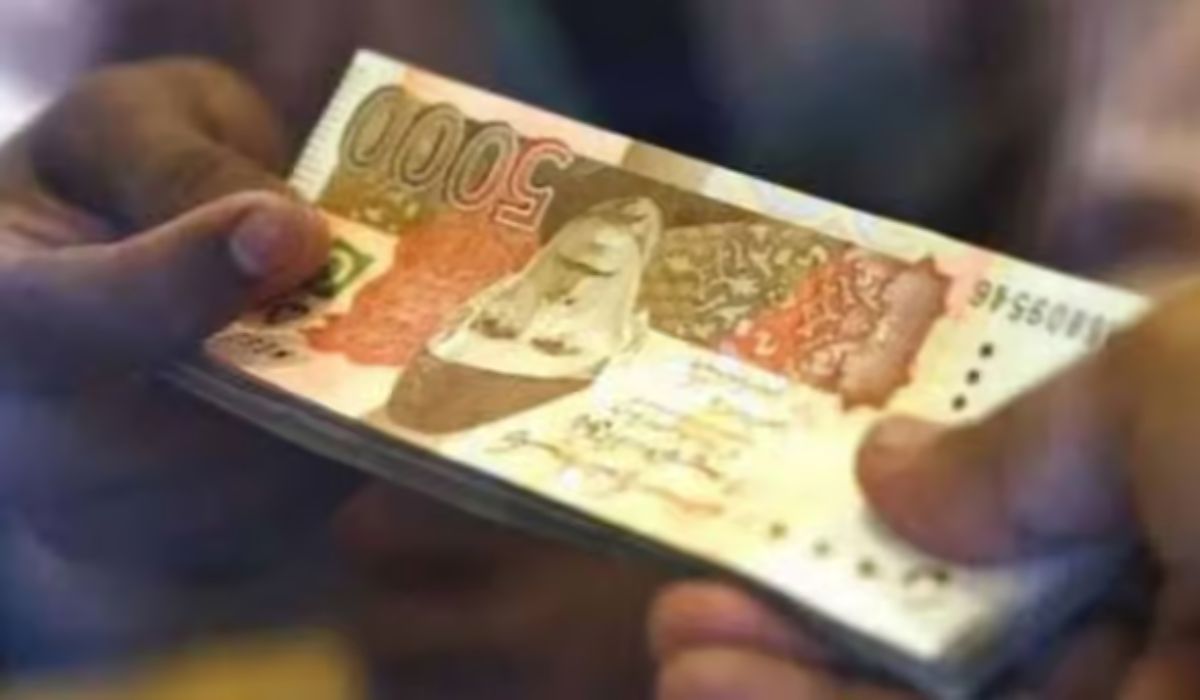
The Pakistani Rupee (PKR) has shown a slight appreciation against the US dollar, while showing mixed performance against other major currencies. The inter‑bank rate recently closed at approximately Rs 281 per USD, reflecting a marginal gain from the previous session.
In the open market, the US dollar was quoted slightly higher, indicating a small difference between official and market rates. This slight movement signals relative stability after periods of volatility.
2. Mixed Trend Against the US Dollar
Despite only a modest increase of about Rs 0.01, the rupee’s appreciation against the US dollar is a notable development. Over the fiscal year, the rupee has improved slightly against the dollar, providing some relief to importers and stabilizing expectations.
However, this gain is minimal in absolute terms, meaning the rupee is broadly stable rather than strongly appreciating. The difference between inter‑bank and open‑market rates also indicates that everyday transactions for businesses and individuals may still experience minor variability.
ALSO READ
Saudi Arabia Rolls Over Deposits and Extends Oil Facility to Pakistan
3. Performance Against Other Major Currencies
The rupee’s performance against other major currencies has been uneven:
- Euro (EUR): Slight depreciation, closing around Rs 326.50.
- British Pound (GBP): Small decrease, near Rs 374.11.
- Swiss Franc (CHF): Modest appreciation, PKR at Rs 352.47.
- Japanese Yen (JPY): Slight improvement, with PKR around Rs 1.8370.
- Chinese Yuan (CNY): Minor weakening, closing at Rs 39.51.
This mixed trend indicates that while the rupee shows some strength against the US dollar, it remains vulnerable in trade involving other currencies.

4. Key Drivers Behind the Movements
Several factors are influencing the rupee:
Remittances and Export Receipts: Higher inflows from overseas Pakistanis and export earnings increase foreign currency supply, easing pressure on the rupee.
External Account Pressures: Rising import bills, especially for energy and machinery, create challenges for maintaining stability.
Global Currency and Commodity Trends: Strength in the US dollar or rising global oil prices can impact the rupee’s performance against other currencies.
Central Bank Interventions: Measures by the State Bank of Pakistan to stabilize the inter‑bank and open‑market rates help manage volatility.
According to official data from the State Bank of Pakistan, the Pakistani Rupee has shown a mixed trend against major currencies in recent sessions.
5. Implications for Pakistan’s Economy
Inflation: A weaker rupee makes imported goods more expensive, pushing up inflation. The slight appreciation against the USD provides limited relief, but depreciation against other currencies may still exert upward pressure on prices.
Cost of Imports and Trade Deficit: Mixed currency trends complicate import decisions. While USD‑denominated goods may become cheaper, imports priced in Euros or Pounds could become costlier.
Export Competitiveness: Exporters who invoice in USD may benefit slightly from the stable rupee, though the impact remains limited due to the small appreciation.
Investor and Remittance Sentiment: A stable currency can increase confidence among investors and overseas Pakistanis sending money through formal channels. Reduced gaps between inter‑bank and open‑market rates also discourage parallel market activity.
ALSO READ
Per Tola Gold Price in Pakistan Surges with Market Trends
6. Outlook & What to Watch
Key indicators for the near-term outlook:
- Foreign Exchange Reserves: Adequate reserves support stability. A decline could pressure the rupee.
- Trade Balance: Rising exports and controlled imports help maintain a narrow trading range.
- Remittance Flows: Consistent or growing remittances stabilize the currency.
- Global Commodity Prices: Spikes in oil or gas prices could negatively affect the rupee.
- Monetary Policy and Dollar Strength: US rate hikes may influence PKR; global dollar weakness could benefit it.
- Political and Economic Stability: Domestic stability enhances confidence and reduces capital outflows.
Potential scenarios:
- Stability Scenario: PKR remains in a narrow trading band if reserves and remittances are strong.
- Downside Risk: External shocks, rising oil prices, or reserve depletion could lead to depreciation, particularly against non‑USD currencies.
- Upside Scenario: Strong exports and structural reforms could support a stronger rupee, though this is less likely in the near term.
Conclusion
The Pakistani rupee’s slight appreciation against the US dollar is a cautiously positive development. However, its mixed performance against other major currencies highlights vulnerabilities. The overall stability provides some relief for exporters, importers, and remittance inflows, but careful monitoring of global and domestic economic factors remains crucial.
A conservative expectation would be modest stability in the short term, but risks from global commodity prices, trade imbalances, and external shocks remain significant.