 by
by 🥜 Almonds: A Complete Guide
📚 Table of Contents
- What Are Almonds?
- Types of Almonds
- Nutritional Profile
- Health Benefits
- Heart Health
- Blood Sugar Control
- Weight Management
- Anti-Aging & Antioxidants
- Bone & Mineral Health
- Gut Health
- Brain Function
- Possible Side Effects
- How to Use Almonds
- Storage Tips
- Summary
1. What Are Almonds?
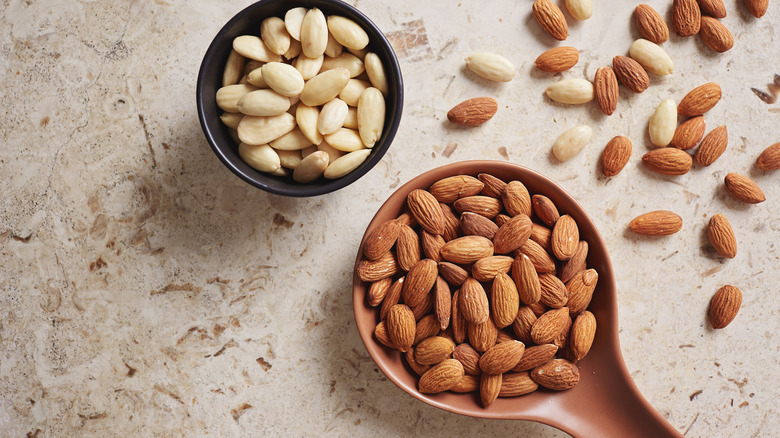
Almonds are the edible seeds of the almond tree. Though often called “nuts,” they are technically seeds of a fruit.
They’ve been consumed for thousands of years and are loved for their crunch, flavor, and nutritional richness. Today, they are enjoyed in many forms—from snacks to flours to milks.
2. Types of Almonds
There are several kinds of almonds, each with its own properties:
- Sweet Almonds: The most common type eaten raw or roasted.
- Bitter Almonds: Naturally toxic and must be processed before use.
- Blanched Almonds: Skins removed after boiling.
- Roasted Almonds: Cooked for flavor, with or without oil.
- Salted or Flavored Almonds: Seasoned for variety.
Each type can be used in different recipes depending on flavor and texture needs.

3. Nutritional Profile
One ounce (28 grams or ~23 almonds) provides:
- Calories: ~160 kcal
- Protein: 6 g
- Healthy fats: 14 g
- Fiber: 3.5 g
- Carbohydrates: 6 g
- Vitamin E: 48% of daily value
- Magnesium: 18% of daily value
- Calcium, iron, zinc, and phosphorus in small to moderate amounts
Almonds are low in sugar and high in healthy fats and antioxidants. They’re a powerhouse of essential nutrients, especially for brain and heart health.
4. Health Benefits
We explain the benefits of Almond.Also Read Red Kidney Beans
❤️ Heart Health
Almonds help reduce bad cholesterol (LDL) and support good cholesterol (HDL).
They contain monounsaturated fats, antioxidants, and vitamin E, all known to protect the heart.
💉 Blood Sugar Control
Almonds are low in carbs and high in healthy fats and fiber. This makes them excellent for people managing blood sugar levels.
Magnesium in almonds helps improve insulin function and glucose control.
⚖️ Weight Management
Despite being calorie-dense, almonds can help with weight control.
They promote fullness and reduce the urge to snack due to their fat-protein-fiber trio.
Some studies show that eating almonds does not lead to weight gain when consumed in moderation.
🧬 Anti-Aging & Antioxidants
Almonds are one of the richest sources of vitamin E—an antioxidant that protects cells from damage.
Vitamin E, along with other plant compounds in almond skins, may slow down aging and reduce inflammation.
🦴 Bone & Mineral Health
Almonds are a natural source of magnesium, phosphorus, and calcium—nutrients vital for maintaining strong bones and teeth Also Read Coconut Water Amazing Health Benefits
Eating almonds regularly may support bone density and reduce the risk of fractures.
🌱 Gut Health
The fiber in almonds supports good digestion and helps regulate bowel movements.
Some compounds in almonds also act as prebiotics, feeding beneficial gut bacteria.

🧠 Brain Function
Nutrients like vitamin E, riboflavin, and healthy fats support brain function and memory.
Almonds may help delay cognitive decline with age and improve focus.
5. Possible Side Effects
While almonds are very healthy, overconsumption or sensitivity can cause issues:
- Allergies: Almonds are tree nuts and can trigger severe allergic reactions.
- Digestive discomfort: Eating too many at once may cause bloating or gas.
- Phytic acid: Present in almonds, it can reduce mineral absorption if intake is excessive.
- Weight gain: They are calorie-rich; too many can lead to unwanted weight gain.
- Oxalates: May contribute to kidney stones in people sensitive to oxalate-rich foods.
Tip: Stick to about 20–30 grams (1 ounce) per day.
6. How to Use Almonds
Almonds are highly versatile. Here are popular ways to use them:
- Raw or roasted as a snack
- Almond butter on toast or in smoothies
- Almond milk as a dairy substitute
- Chopped or sliced over salads, cereals, or desserts
- Almond flour in baking (especially in gluten-free recipes)
- Soaked almonds eaten in the morning (often considered more digestible)
7. Storage Tips
To keep almonds fresh and avoid spoilage:
- Store in airtight containers
- Keep them in a cool, dark place
- For longer storage, refrigerate or freeze
- Avoid exposure to moisture and heat
- Check for off smells or bitterness (signs of spoilage)
Proper storage extends shelf life and retains flavor.
8. Summary
Almonds are more than just a snack—they’re a complete package of health, flavor, and versatility.
Key takeaways:
- Rich in healthy fats, protein, fiber, and vitamin E
- Promote heart, brain, bone, and digestive health
- Support weight control and blood sugar balance
- Should be eaten in moderation to avoid potential side effects
- Can be used in countless ways, from milk to flour to snacks
A handful of almonds a day is a simple yet powerful addition to a healthy lifestyle.
https://healcrafters.com/foodpanda-rider-welfare-and-development-program-boosts-lives-with-free-bikes-and-skill-training/