 by
by Table of Contents
- Introduction
- Background of the Fuel Price Hike
- Current Prices of Petrol and Diesel
- Reasons Behind the Price Increase
- Impact on Daily Life and Economy
- How Businesses Are Affected
- Public Reaction and Market Response
- Government’s Possible Next Steps
- What Consumers Can Do
- Conclusion
1. Introduction
The government has announced a fresh increase in the prices of petrol and diesel across the country. This adjustment, effective from the start of the new month, has sparked concern among the public as it directly affects transportation, manufacturing, and household expenses.
The rise comes as part of the government’s fortnightly review of petroleum product prices, a system that adjusts rates in line with international market trends and currency exchange fluctuations.
2. Background of the Fuel Price Hike
Petroleum prices in Pakistan have seen frequent revisions in recent months. The government reviews prices twice a month to align with global oil rates and domestic fiscal needs. This time, both petrol and diesel have witnessed another upward revision, increasing the cost burden on consumers and businesses alike.
The fuel price adjustment is one of the key tools used by the authorities to manage the country’s budget deficit and maintain stability in the energy supply chain.
ALSO READ
Indian Businessman Scams BlackRock Out of $500 Million in Massive Fraud
3. Current Prices of Petrol and Diesel
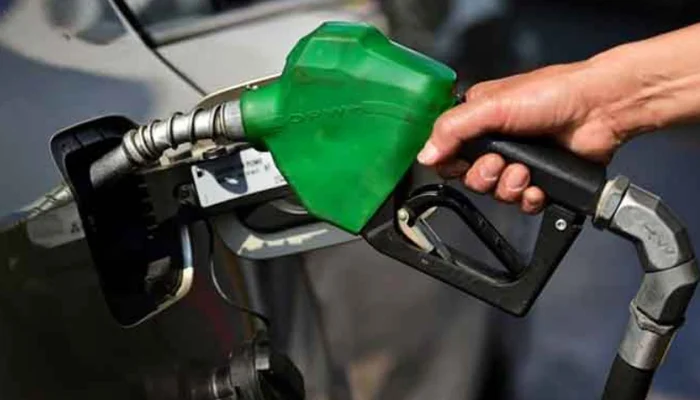
As per the latest announcement, petrol prices have gone up by around Rs. 2.43 per litre, while high-speed diesel has increased by Rs. 3.02 per litre. This brings the new price of petrol to approximately Rs. 265.45 per litre, and diesel to Rs. 278.44 per litre.
Though the increase may appear small, the cumulative effect of such hikes over several months is significant. Every adjustment, even by a few rupees, has a ripple effect that impacts transportation fares, food prices, and the cost of goods throughout the country.
4. Reasons Behind the Price Increase
There are several key factors driving this latest hike:
- Global Crude Oil Prices: The international oil market has experienced volatility due to supply constraints and geopolitical tensions.
- Exchange Rate Fluctuations: The depreciation of the Pakistani rupee against the US dollar increases the cost of importing petroleum products.
- Tax Adjustments: The government often revises petroleum levies and other taxes to generate revenue, which influences final consumer prices.
- Transportation and Refining Costs: Rising operational costs at refineries and distribution networks also contribute to higher end-user prices.
Each of these factors combines to create an upward push in retail fuel prices, leaving consumers with little room to adjust.
According to the Oil and Gas Regulatory Authority (OGRA), the latest fuel prices have been officially notified on their website
5. Impact on Daily Life and Economy
Fuel prices are a crucial determinant of inflation. When petrol and diesel become more expensive, almost every sector feels the pressure.
- Transportation Costs: Higher fuel costs translate directly into more expensive public transport fares and private vehicle expenses.
- Food and Commodities: Since goods are transported by road, rising diesel prices increase shipping costs, which raise prices in markets.
- Inflation: The overall consumer price index tends to rise following fuel price hikes, as businesses pass on the extra cost to consumers.
- Reduced Purchasing Power: Households with fixed incomes experience a squeeze, as a larger portion of their budget goes toward fuel and essential items.
6. How Businesses Are Affected
Businesses across multiple sectors face increased costs. Logistics, manufacturing, agriculture, and retail depend heavily on fuel. Diesel, in particular, is crucial for running trucks, farm machinery, and generators.
With higher operational expenses, small and medium enterprises (SMEs) often struggle to maintain profit margins. Some may cut production or increase product prices, adding to the inflationary cycle.
ALSO READ
Kuwait Signs Loan for Mohmand Dam Hydropower Project
7. Public Reaction and Market Response
The public response to the fuel price hike has been one of frustration and concern. Many citizens express that frequent increases are eroding their financial stability. Transport unions and traders often demand government intervention to stabilize prices.
Markets also react swiftly to such announcements. Immediately after price adjustments, there is usually a rush at fuel stations as consumers try to fill up before the new rates take effect.
8. Government’s Possible Next Steps
The government maintains that these adjustments are necessary to reflect real market costs and reduce the burden of subsidies. However, officials have indicated that if global prices stabilize, the benefit will be passed on to consumers in future revisions.
To balance fiscal needs and public welfare, authorities may consider targeted relief measures for vulnerable groups, such as transport subsidies or fuel support for low-income families.
9. What Consumers Can Do
Consumers can take a few practical steps to reduce the impact of rising fuel prices:
- Maintain vehicles regularly for better fuel efficiency.
- Carpool or use public transport whenever possible.
- Plan trips strategically to minimize unnecessary travel.
- Consider switching to fuel-efficient or hybrid vehicles.
Small adjustments in personal habits can collectively make a significant difference in coping with higher fuel costs.
10. Conclusion
The increase in petrol and diesel prices underscores the country’s ongoing challenge of managing external economic pressures. While global oil markets and currency fluctuations are beyond direct control, domestic policies can play a key role in cushioning the public against their effects.
For now, consumers will need to adapt to the higher costs while hoping for future relief through stable exchange rates and improved energy policies. As fuel remains a core driver of inflation, its management will continue to be central to the nation’s economic stability and public sentiment.