
 by
by Table of Contents
- Introduction
- Understanding Carbon Trading
- Pakistan’s Potential in Carbon Markets
- Economic Benefits of Carbon Trading
- Environmental Impacts
- Challenges and Barriers
- Policy Recommendations
- Global Context and Pakistan’s Opportunities
- Conclusion
1. Introduction
Pakistan has the potential to earn $2.25 billion annually through carbon trading. As global awareness of climate change grows, carbon markets are becoming an increasingly important source of revenue for countries that can reduce greenhouse gas emissions. Leveraging these opportunities requires effective policies, investment in green technologies, and strong institutional frameworks.
2. Understanding Carbon Trading
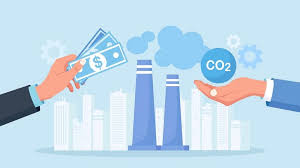
Carbon trading, also called emissions trading, is a market-based system where countries or companies can buy and sell carbon credits. Each credit represents one ton of carbon dioxide (CO₂) or its equivalent that has been prevented from entering the atmosphere.
ALSO READ
FBR Crackdown 2025: Powerful Action Against Fintech Executive Owning 30 Luxury Cars
This system encourages businesses and countries to reduce emissions because surplus reductions can be sold in the market. It provides financial incentives for sustainable energy projects, forest conservation, and industrial efficiency improvements.
3. Pakistan’s Potential in Carbon Markets
Pakistan is rich in renewable energy potential, including solar, wind, and hydropower. These projects can generate carbon credits under international mechanisms such as the Clean Development Mechanism (CDM) and voluntary carbon markets.
According to estimates, fully leveraging these opportunities could bring $2.25 billion annually to Pakistan. This revenue could be used for infrastructure, energy transition, and climate adaptation projects.
4. Economic Benefits of Carbon Trading
The economic benefits of carbon trading include:
- Revenue generation: Direct earnings from selling carbon credits.
- Job creation: New employment opportunities in renewable energy and environmental projects.
- Investment attraction: Encourages foreign investment in clean technologies.
- Industrial efficiency: Businesses adopt greener technologies to reduce emissions and cut costs.
Carbon trading can also reduce Pakistan’s dependence on fossil fuels and improve energy security.
5. Environmental Impacts
Carbon trading contributes to environmental sustainability by:
- Reducing greenhouse gas emissions.
- Encouraging renewable energy adoption.
- Promoting reforestation and conservation projects.
- Supporting compliance with international climate agreements.
By participating in carbon markets, Pakistan can simultaneously earn revenue and protect its environment.
Pakistan has the potential to generate significant revenue through carbon trading, as outlined in the Government of Pakistan’s Policy Guidelines for Carbon Trading.
6. Challenges and Barriers
Despite its potential, Pakistan faces several challenges in carbon trading:
- Regulatory gaps: Lack of clear rules and frameworks for carbon markets.
- Technical expertise: Limited capacity to measure, report, and verify emissions reductions.
- Market access: Difficulty in participating in global carbon markets.
- Investment barriers: High upfront costs for clean energy and emission reduction projects.
Addressing these barriers is crucial for Pakistan to unlock the full economic potential of carbon trading.
7. Policy Recommendations
To maximize carbon trading revenue, Pakistan should:
- Develop a national carbon trading framework.
- Provide incentives for renewable energy and energy efficiency projects.
- Build technical capacity for measuring and reporting emissions.
- Engage in international carbon markets and bilateral agreements.
- Encourage private sector participation in carbon credit generation.
These policies can strengthen Pakistan’s position in global carbon markets.
8. Global Context and Pakistan’s Opportunities
Globally, carbon markets are expanding rapidly. Countries like China, India, and Brazil have successfully tapped into carbon trading revenue streams. Pakistan can learn from these examples and adopt international best practices to enhance its competitiveness in carbon markets.
Participation in global carbon markets also improves Pakistan’s credibility in international climate negotiations.
ALSO RAED
World Bank Urges Pakistan to Overhaul Trade Policy and Embrace Flexible Exchange Rate
9. Conclusion
Carbon trading represents a major opportunity for Pakistan to generate $2.25 billion annually, boost economic growth, create jobs, and contribute to environmental sustainability. By addressing regulatory, technical, and market barriers, Pakistan can effectively participate in global carbon markets.
With proper policies, investment in clean energy, and international collaboration, carbon trading could become a cornerstone of Pakistan’s green economy and climate strategy.