 by
by Table of Contents
- Introduction
- The Vision Behind the Initiative
- How the House-Job Training Will Work
- Benefits for Engineering Graduates
- Industry and National Impact
- Possible Challenges
- Future Outlook
- Conclusion
1. Introduction
Pakistan’s engineering sector is entering a new era of professional growth and opportunity. The Pakistan Engineering Council (PEC) has introduced a house-job style training program for engineering graduates, similar to how medical graduates receive practical experience in hospitals before beginning full practice.
This move aims to give fresh engineers structured, hands-on training after graduation so they can gain real-world exposure and industry-ready skills. It’s a transformative step toward bridging the long-standing gap between academic knowledge and practical experience — a gap that has left many talented graduates underprepared for professional challenges.
2. The Vision Behind the Initiative
For decades, thousands of engineering students in Pakistan have graduated each year, yet many struggle to secure meaningful employment. Employers often point out that while graduates have strong theoretical backgrounds, they lack practical experience.
The house-job training model seeks to solve this issue by giving young engineers a defined period of on-the-job learning. Under supervision from experienced professionals, trainees will participate in live projects, learn to use tools and technologies, and understand workplace dynamics.
ALSO READ
Pakistani University Signs Powerful Research Partnership with Cambridge University
This initiative also aligns with the broader goal of raising Pakistan’s engineering standards to international levels, ensuring local engineers can compete globally.
3. How the House-Job Training Will Work
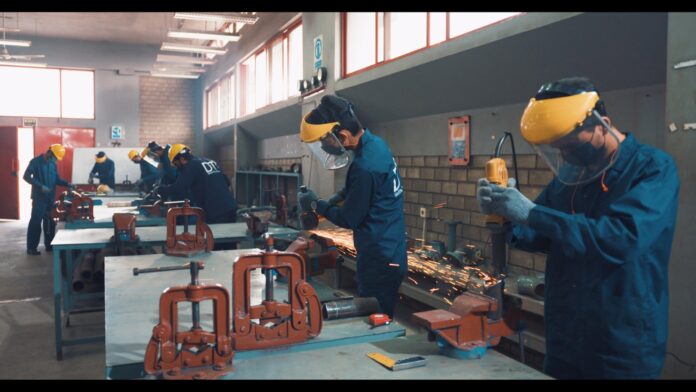
The program will pair newly graduated engineers with public and private organizations across the country. Each trainee will be placed according to their discipline — civil, mechanical, electrical, software, or others — and will work under the guidance of senior mentors.
The training will likely span several months and include:
- Practical fieldwork: Real project involvement such as construction supervision, design implementation, or system testing.
- Professional mentorship: Senior engineers will guide trainees in both technical and ethical aspects of the profession.
- Skill development workshops: Focused sessions to enhance teamwork, communication, and project management skills.
- Performance evaluation: Regular assessments to monitor progress and ensure that every trainee achieves learning objectives.
After completing the training, participants will receive an official experience certificate validating their practical exposure — an invaluable addition to their professional profile.

4. Benefits for Engineering Graduates
The new system offers a range of advantages for young engineers starting their careers:
- Hands-on Experience: Graduates will gain firsthand exposure to real engineering challenges, rather than relying solely on academic exercises.
- Improved Employability: With certified training experience, engineers will stand out in job markets and recruitment drives.
- Mentorship and Guidance: Working alongside seasoned professionals will help trainees develop discipline, leadership, and practical problem-solving skills.
- Career Confidence: Engineers entering the field with solid experience will feel more confident tackling independent projects.
- Industry Understanding: Exposure to industrial environments, company culture, and client relations will prepare trainees for long-term success.
This initiative essentially transforms classroom learning into practical performance, turning knowledge into skill and potential into productivity.
For official details and updates about the engineering house-job training program, visit the Pakistan Engineering Council (PEC) official website.
5. Industry and National Impact
This training model benefits not only individuals but also the wider engineering ecosystem. With better-trained professionals, organizations can expect higher-quality work, improved safety standards, and more efficient project delivery.
It also supports Pakistan’s long-term development goals by creating a workforce capable of driving progress in energy, construction, manufacturing, and technology sectors. As engineers gain exposure to advanced systems and methodologies, they will contribute more effectively to national infrastructure and industrial growth.
Moreover, the model encourages collaboration between universities, industries, and regulatory bodies, strengthening the link between education and employment.
6. Possible Challenges
While the idea is strong, successful implementation will require careful management. Some key challenges include:
- Ensuring Equal Access: Providing training opportunities across all provinces and engineering fields is vital for fairness.
- Maintaining Quality Standards: Every host organization must offer meaningful work and proper supervision to make the training effective.
- Funding and Sustainability: Financial planning is essential to maintain stipends, mentorship programs, and evaluation systems.
- Monitoring and Accountability: A transparent tracking system should be in place to measure progress and prevent misuse of the program.
By addressing these issues proactively, the initiative can achieve its full potential.
7. Future Outlook
If executed successfully, this program could redefine the engineering landscape of Pakistan. Graduates will no longer leave universities uncertain about how to apply their knowledge — they’ll step directly into professional roles with practical training behind them.
In the long run, such programs could evolve into specialized tracks, where engineers choose between design, fieldwork, research, or management training based on their interests. It may also inspire similar initiatives in other disciplines like architecture, IT, or environmental sciences.
By blending education with experience, Pakistan is building a bridge toward innovation, quality, and global competitiveness.
8. Conclusion
The introduction of a house-job style training program for engineers marks a bold and necessary step for Pakistan’s engineering future. It promises to transform theoretical learners into skilled professionals ready to take on complex challenges.
For fresh graduates, it’s a golden opportunity to gain hands-on experience, mentorship, and recognition — all before entering the workforce full-time. For industries and the nation, it means a stronger, more capable generation of engineers contributing to progress and development.
If implemented with commitment and consistency, this initiative will not only change how engineers are trained but also how Pakistan builds its future — one skilled professional at a time.