
 by
by Table of Contents
- Introduction
- What Is Almond Milk
- Nutritional Value of Almond Milk
- Health Benefits of Almond Milk
- Effects on Mental Wellness
- Effects on Physical Wellness
- Almond Milk and Weight Management
- Calories and Metabolism Support
- Almond Milk Diet Chart
- Almond Milk Recipe at Home
- Nutrients Chart
- Disadvantages of Almond Milk
- Who Should Avoid Almond Milk
- Conclusion
1. Introduction
Almond milk is a widely consumed plant-based beverage made from almonds and water. It is popular among people who want a healthy lifestyle dairy-free nutrition or low-calorie drinks. Almond milk is easy to digest and fits well into modern diets focused on wellness and weight control.
Due to its rich vitamin content and light nature almond milk is often included in daily routines such as breakfast smoothies evening drinks and post-workout meals. When consumed correctly it can support both mental and physical health.
2. What Is Almond Milk
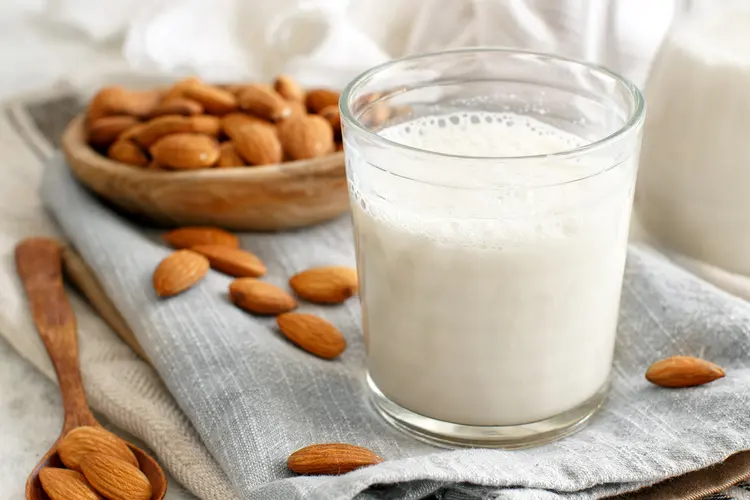
Almond milk is prepared by soaking almonds blending them with water and straining the mixture to remove solids. The remaining liquid is smooth light and naturally dairy-free.
It can be consumed plain or used as a substitute for regular milk in tea coffee cereals and cooking. Unsweetened almond milk is considered the healthiest option.
ALSO READ
English Muffins Nutrition and Health Information
3. Nutritional Value of Almond Milk
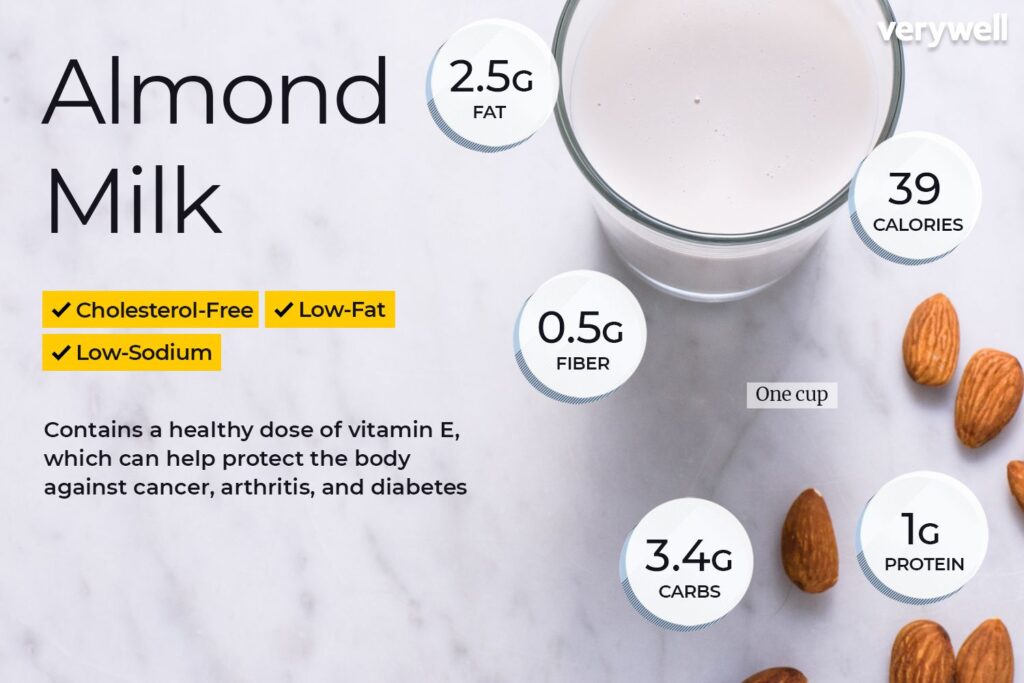
Almond milk contains essential vitamins and minerals while being low in calories. It is naturally free from cholesterol and lactose which makes it suitable for heart health.
Key nutrients include vitamin E calcium magnesium and healthy fats. These nutrients support immunity bone strength and skin health.
4. Health Benefits of Almond Milk
Almond milk offers multiple health benefits when included in a balanced diet. Vitamin E acts as an antioxidant that helps protect cells from damage.
It supports heart health by maintaining healthy cholesterol levels. Calcium-fortified almond milk also helps maintain strong bones and teeth.
Regular consumption may support digestion and reduce inflammation in the body.
5. Effects on Mental Wellness
Almond milk contributes positively to mental wellness. Magnesium present in almond milk helps relax the nervous system and supports stress management.
Vitamin E helps protect brain cells and supports memory and concentration. Drinking almond milk as part of a healthy routine may help improve mood and mental clarity.
6. Effects on Physical Wellness
For physical health almond milk provides hydration and essential nutrients without heaviness. The healthy fats offer steady energy throughout the day.
It is gentle on the stomach and suitable for people with sensitive digestion. Almond milk can support muscle recovery when consumed after physical activity.
7. Almond Milk and Weight Management
Almond milk is ideal for weight management due to its low calorie content. Unsweetened almond milk contains significantly fewer calories compared to regular milk.
It helps control hunger by promoting fullness and reducing unnecessary snacking. Replacing sugary beverages with almond milk can support gradual weight loss.
8. Calories and Metabolism Support
One cup of unsweetened almond milk contains approximately 30 to 40 calories. While almond milk does not directly burn calories it supports metabolism by providing nutrients that assist energy production.
When combined with physical activity such as walking or exercise almond milk can support healthy fat metabolism.
9. Almond Milk Diet Chart
Morning: One glass of almond milk with breakfast
Mid Morning: Almond milk smoothie with fruits
Lunch: Balanced meal with vegetables and protein
Evening: Almond milk with oats or nuts
Night: Warm almond milk before sleep
This diet plan supports energy hydration and nutrition throughout the day.
10. Almond Milk Recipe at Home
Ingredients
One cup raw almonds
Three to four cups water
Method
Soak almonds overnight in water. Peel the skin if desired. Blend almonds with water until smooth. Strain the mixture using a clean cloth. Store in the refrigerator and use within two days.
Homemade almond milk is free from additives and offers maximum nutritional value.
11. Nutrients Chart
Nutrient Amount per Cup
Calories 30 to 40
Protein 1 gram
Fat 2.5 grams
Carbohydrates 1 gram
Vitamin E High
Calcium Moderate
12. Disadvantages of Almond Milk
Despite many benefits almond milk has some disadvantages. It is low in protein compared to dairy milk.
Some packaged varieties contain added sugar which reduces health benefits. Excessive intake may cause digestive discomfort in some individuals.
13. Who Should Avoid Almond Milk
People with nut allergies should avoid almond milk. Infants and young children should only consume it under professional guidance.
Those depending on almond milk as a main nutrition source should ensure they get enough protein from other foods.
14. Conclusion
Almond milk is a healthy low-calorie beverage that supports mental wellness physical health and weight management. Its rich vitamin content and easy digestion make it suitable for daily use.
When consumed in moderation and as part of a balanced diet almond milk can be a valuable addition to a healthy lifestyle. Choosing unsweetened varieties or homemade almond milk ensures maximum benefits.