by
by Bone weakness in Pakistan is becoming a growing public health challenge that requires immediate attention from both healthcare providers and policymakers to prevent further complications and improve the quality of life for affected individuals.
Table of Contents
- Introduction
- What is Bone Weakness?
- Causes of Bone Weakness in Pakistan
- The Growing Public Health Concern
- Impact on Different Age Groups
- Prevention and Management
- Role of Government and Healthcare Providers
- Conclusion
1. Introduction
Bone weakness, often known as osteoporosis or low bone density, is becoming an alarming public health issue in Pakistan. The condition leads to fragile bones that are more prone to fractures and injuries. With changing lifestyles, poor nutrition, and lack of awareness, more Pakistanis are at risk.
This article explores why bone weakness is a growing concern, its causes, and what steps are necessary to address this silent threat.
2. What is Bone Weakness?
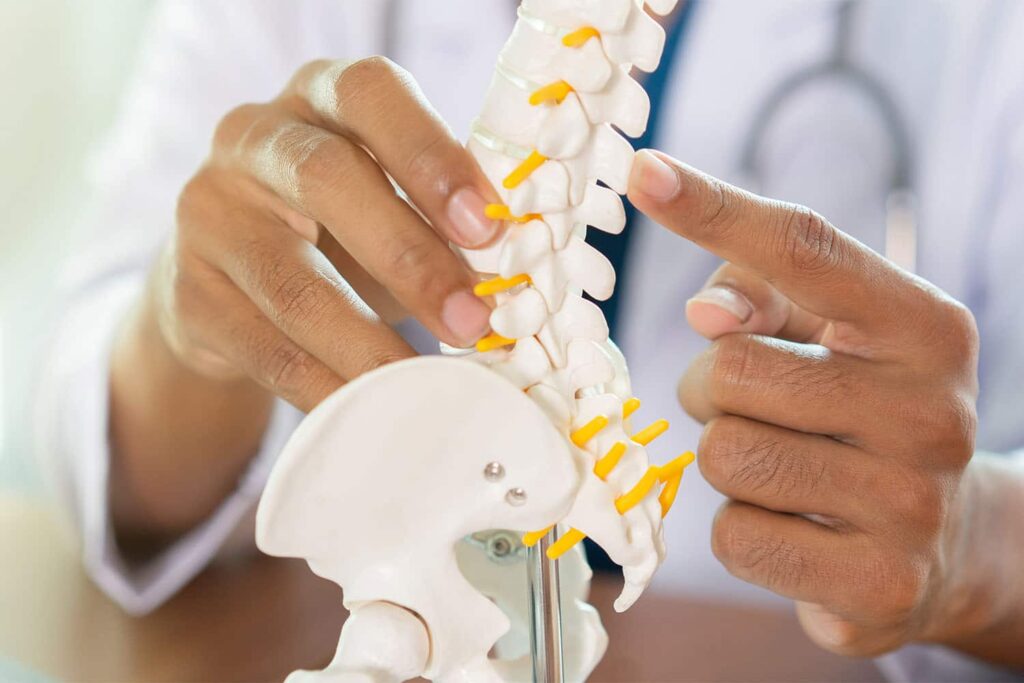
Bone weakness refers to a reduction in bone strength due to loss of bone density or quality. When bones become weak, they lose their ability to support the body effectively and are more likely to break. Osteoporosis is the most common form of bone weakness.
ALSO READ
Punjab Launches Helpline to Report Missing Facilities and Improve School Infrastructure
It is often called a “silent disease” because it progresses without symptoms until a fracture occurs, making early detection difficult.
3. Causes of Bone Weakness in Pakistan
Several factors contribute to bone weakness in Pakistan:
- Nutritional Deficiencies: Lack of calcium and vitamin D is widespread due to poor dietary habits and limited sun exposure.
- Sedentary Lifestyle: Many people, especially urban dwellers, lead inactive lives which weakens bones.
- Genetics: Family history plays a significant role in susceptibility.
- Medical Conditions: Diseases like rheumatoid arthritis, thyroid disorders, and hormonal imbalances increase risk.
- Medications: Long-term use of steroids and some other drugs can cause bone loss.
- Socioeconomic Factors: Poverty restricts access to nutritious food and healthcare services.
4. The Growing Public Health Concern
Bone weakness is no longer an individual health issue but a public health threat in Pakistan. According to studies:
- Over 40% of Pakistani women above 50 suffer from osteoporosis.
- Fractures related to bone weakness lead to significant morbidity and healthcare costs.
- The aging population increases the number of at-risk individuals.
- Lack of screening programs leads to late diagnosis and poor outcomes.
This trend threatens the quality of life and places an additional burden on Pakistan’s already strained healthcare system.
For more information and official updates, you can visit the Government of Pakistan’s website
5. Impact on Different Age Groups
Elderly Population
The elderly are the most vulnerable due to natural bone loss with age. Fragility fractures in the hip and spine can result in permanent disability or death.
Women
Women are more prone, especially post-menopause, due to decreased estrogen levels which protect bones.
Young Adults and Children
Poor childhood nutrition and inactivity can result in weak bones that don’t reach optimal strength, setting the stage for future problems.
6. Prevention and Management
Preventing bone weakness requires a multi-faceted approach:
- Adequate Nutrition: Consuming calcium-rich foods like dairy, green leafy vegetables, and fortified products.
- Vitamin D: Sun exposure and supplements to maintain healthy bone metabolism.
- Physical Activity: Weight-bearing exercises like walking, running, and resistance training strengthen bones.
- Avoiding Smoking and Excess Alcohol: Both negatively impact bone health.
- Regular Screening: Bone density tests for at-risk populations.
- Medical Treatment: Use of medications like bisphosphonates under doctor supervision.
7. Role of Government and Healthcare Providers
The government must prioritize bone health by:
- Launching awareness campaigns.
- Improving access to nutrition and supplements.
- Establishing screening programs in hospitals.
- Training healthcare providers on early diagnosis and management.
- Supporting research on bone diseases in Pakistan.
Healthcare providers should educate patients and encourage lifestyle changes to prevent this silent epidemic.
ALSO READ
First Test Tube Baby Born in D I Khan – A Historic Milestone in Fertility Treatment 2025
8. Conclusion
Bone weakness is a growing public health challenge in Pakistan that needs urgent attention. With a combination of awareness, lifestyle changes, medical intervention, and government support, its impact can be reduced. Protecting bone health is essential for a healthier, more productive population.