by
by Table of Contents
- Introduction
- About Crescent Fibres Limited
- Details of the Suspension
- Key Reasons for the Shutdown
- Impact on Operations and Employees
- Implications for Pakistan’s Textile Sector
- Company’s Future Strategy
- Future Outlook and Economic Context
- Conclusion
Introduction
Crescent Fibres Limited has announced the temporary suspension of operations at its spinning unit located in Sindh. The company attributed this decision to unfavorable market conditions that have severely impacted production efficiency and profitability.
While the suspension is expected to be temporary, it reflects the broader challenges currently faced by Pakistan’s textile and spinning sector — rising costs, weak demand, and increasing global competition.
About Crescent Fibres Limited
Crescent Fibres Limited is one of Pakistan’s long-established textile producers, primarily engaged in manufacturing and selling cotton and blended yarns. Over the years, it has earned a reputation for quality products, supplying to both local and international markets.
The company operates multiple spinning units across the country, including one in Sindh and another in Punjab. These facilities produce a range of yarn types for domestic fabric producers and export markets. However, like many others in the industry, Crescent Fibres has been battling economic headwinds, including energy shortages and inflationary pressures.
ALSO READ
Rupee Update Slow Momentum Power Insights on 35th Day Performance
Details of the Suspension
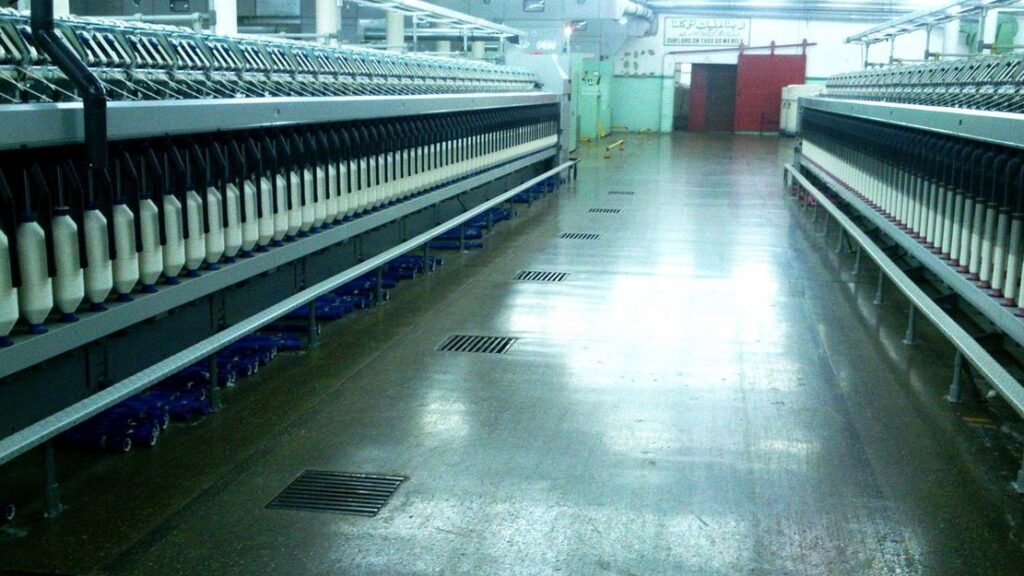
The company recently notified the relevant authorities and shareholders about the temporary closure of its spinning operations at the Nooriabad, Sindh unit.
This decision was made after evaluating the current state of demand and cost structures in the spinning segment. The management stated that continuing production under existing conditions was not economically feasible.
The unit’s operations will remain suspended until market stability returns or production costs can be aligned with profitability levels. Importantly, the company’s other spinning facility in Punjab will continue to operate, ensuring that core operations remain functional.
Key Reasons for the Shutdown
The decision to halt production was influenced by a combination of domestic and global factors affecting the textile industry. The following are the key reasons behind Crescent Fibres’ suspension of operations:
1. Rising Input Costs
Energy prices, cotton rates, and raw material expenses have surged over the past year. This has directly impacted the cost of yarn production, making it difficult to sustain operations without incurring losses.
2. Weak Demand
Global textile demand has slowed due to economic downturns in major export markets. Orders from foreign buyers have reduced, leading to excess inventory and declining profitability for spinning units.
3. Currency Volatility
Fluctuations in the exchange rate have added uncertainty to export pricing and profitability. Sudden shifts in the rupee’s value make it difficult for exporters to maintain consistent profit margins.
4. High Interest Rates and Inflation
Rising borrowing costs have increased the financial burden on manufacturing firms. Coupled with inflation, this has weakened purchasing power in the domestic market and lowered local yarn demand.
5. Operational Challenges
Nooriabad’s industrial area has faced logistical and infrastructural constraints, including inconsistent energy supply and transport inefficiencies. These operational hurdles have further reduced the unit’s cost-effectiveness.
Impact on Operations and Employees
The temporary suspension will primarily affect the workforce and surrounding industrial ecosystem of the Nooriabad unit.
Several employees may face short-term layoffs or adjustments in work schedules, though the company has emphasized that the decision is temporary. Vendors and contractors associated with the spinning mill might also experience lower activity levels until operations resume.
On a financial level, the suspension may reduce production output in the short term. However, it could also help Crescent Fibres avoid deeper operational losses and preserve liquidity during this challenging phase.
Implications for Pakistan’s Textile Sector
The shutdown of a major spinning facility like Crescent Fibres’ Nooriabad unit highlights the difficulties faced by the broader textile industry.
1. Sectoral Pressure
Pakistan’s textile sector, which contributes significantly to exports, has been facing supply chain disruptions, high production costs, and declining competitiveness. The suspension underscores the need for policy and structural reforms.
For official updates on industrial and production policies, visit the Ministry of Industries and Production, Government of Pakistan.
2. Export Competitiveness
When large producers reduce or halt operations, export volumes naturally decline. This impacts Pakistan’s overall textile export earnings, particularly in yarn and raw material segments.
3. Energy and Cost Crisis
The textile industry relies heavily on consistent energy supply. Rising energy tariffs and frequent shortages continue to hinder industrial productivity, forcing companies to scale back production.
4. Industry-Wide Consolidation
Crescent Fibres’ decision may set a precedent for smaller or less efficient mills that are struggling to operate profitably. In the coming months, further consolidations or temporary shutdowns could occur if conditions don’t improve.
Company’s Future Strategy
Crescent Fibres has expressed optimism about resuming operations once market conditions stabilize. Management is reportedly exploring strategies to:
- Optimize energy usage and improve cost efficiency
- Diversify product lines to meet new market trends
- Strengthen financial stability through better cash flow management
- Enhance technological efficiency at the Punjab unit
- Reassess export markets and client portfolios for stronger demand recovery
These steps aim to ensure that the company remains competitive even during volatile market periods.
Future Outlook and Economic Context
The textile industry’s future depends heavily on both domestic policies and global economic recovery. If inflation eases and global textile demand revives, companies like Crescent Fibres will likely restart suspended operations.
Key factors to monitor include:
- Stability in global yarn prices
- Reduction in energy tariffs and improved power supply
- Policy support from the government for exporters
- Improvement in raw material availability
- Enhanced trade agreements to boost textile exports
If these elements align positively, the sector could regain stability, and Crescent Fibres may restore full operations in Sindh.
Conclusion
Crescent Fibres Limited’s decision to temporarily suspend its spinning operations in Sindh is a reflection of the tough economic environment confronting Pakistan’s textile industry. Rising input costs, low demand, and operational inefficiencies have created a scenario where continuing production became unsustainable.
However, the company’s move should be viewed as a strategic pause rather than a permanent closure. By focusing on cost control, diversification, and operational efficiency, Crescent Fibres aims to position itself for recovery when conditions improve.
The broader message is clear — Pakistan’s textile manufacturers must adapt to global challenges with innovation, energy efficiency, and smarter management to ensure long-term resilience and growth.