
 by
by Table of Contents
- Introduction to Desi Ghee
- Nutritional Value of Desi Ghee
- Health Benefits of Desi Ghee
- Physical Health Benefits
- Mental Health Benefits
- Desi Ghee for Children
- Daily Recommended Intake & Diet Chart
- Calories and Energy Burn
- Disadvantages of Excess Ghee Intake
- Final Thoughts
1. Introduction to Desi Ghee
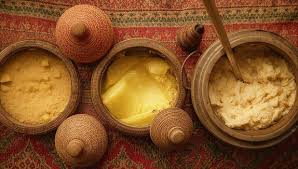
Desi Ghee, also known as clarified butter, has been a vital part of South Asian kitchens for centuries. Made by slowly simmering butter to remove impurities and milk solids, ghee is not just a cooking ingredient but a symbol of purity and nutrition in traditional Indian and Pakistani diets.
Modern nutritionists are rediscovering the remarkable benefits of desi ghee — from improving heart and brain function to supporting digestion and skin health.
2. Nutritional Value of Desi Ghee
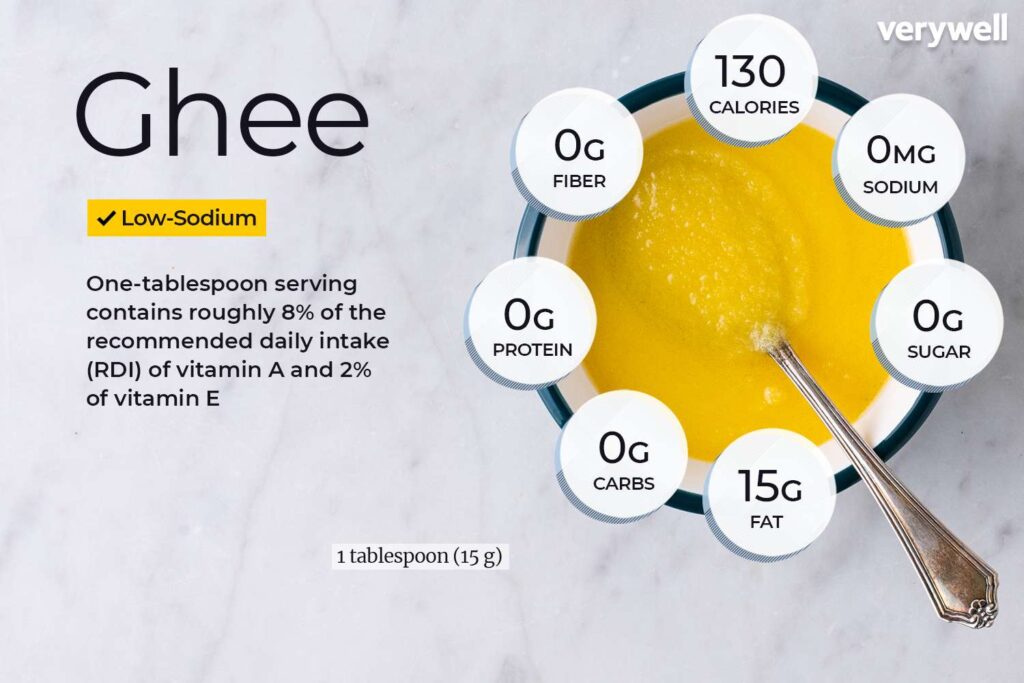
Desi ghee is packed with essential nutrients, fatty acids, and vitamins that promote overall well-being. Below is a quick look at its nutritional composition per 100 grams:
| Nutrient | Amount |
|---|---|
| Energy | 897 kcal |
| Total Fat | 99.7 g |
| Saturated Fat | 62 g |
| Monounsaturated Fat | 29 g |
| Polyunsaturated Fat | 2.5 g |
| Cholesterol | 256 mg |
| Vitamin A | 3300 IU |
| Vitamin E | 2.8 mg |
| Omega-3 Fatty Acids | 0.3 g |
| Omega-6 Fatty Acids | 1.2 g |
3. Health Benefits of Desi Ghee
A. Physical Health Benefits
- Improves Digestion:
Ghee stimulates stomach acid secretion, which helps digest food efficiently and prevents constipation. - Boosts Immunity:
Rich in antioxidants, desi ghee enhances the body’s defense system by eliminating free radicals. - Promotes Heart Health:
When used moderately, ghee’s healthy fats can improve good cholesterol (HDL) levels and support cardiovascular health. - Aids Weight Management:
Contrary to popular belief, ghee helps burn stubborn fat when consumed in moderation, as it boosts metabolism. - Enhances Skin and Hair:
Ghee’s natural fatty acids nourish the skin, making it glow, and promote stronger, shinier hair. - Supports Joint Lubrication:
Ghee helps maintain healthy joints by reducing inflammation and stiffness.
B. Mental Health Benefits
- Improves Memory and Concentration:
The healthy fats in ghee are essential for brain development and cognitive function. - Reduces Stress and Anxiety:
Ghee is rich in butyric acid, which supports gut health — directly linked to mood regulation and stress relief. - Enhances Sleep Quality:
Drinking warm milk with a teaspoon of ghee before bed can calm the nervous system and promote deep sleep.
4. Desi Ghee for Children
Desi ghee is a powerhouse for growing kids. It fuels their active bodies, strengthens bones, and supports brain development. A small spoon of ghee added to rice, chapati, or dal every day improves their nutrient absorption and energy levels.
ALSO RAED
Mushroom Health Benefits and Complete Wellness Guide
Benefits for children include:
- Better digestion
- Stronger bones and teeth
- Improved memory
- Enhanced immunity
However, moderation is key — 1 to 2 teaspoons per day is enough for most children.
5. Daily Recommended Intake & Diet Chart
Experts suggest that a healthy adult can safely consume 2–3 teaspoons (10–15 grams) of ghee daily.
Here’s a sample diet chart showing how you can include ghee in your meals:
| Meal Time | Food Item | Ghee Quantity |
|---|---|---|
| Morning | Paratha / Toast / Oats | 1 tsp |
| Lunch | Dal / Rice / Chapati | 1 tsp |
| Evening Snack | Herbal tea or milk with ghee | ½ tsp |
| Dinner | Steamed vegetables / khichdi | 1 tsp |
This moderate use supports digestion and energy without increasing cholesterol levels.
6. Calories and Energy Burn
Desi ghee is calorie-dense — about 112 calories per tablespoon (13 grams).
However, these calories come from good fats that aid energy release throughout the day.
To burn off 1 tablespoon (112 kcal) of ghee, you can try:
- 20 minutes of brisk walking
- 10 minutes of jogging
- 25 minutes of yoga
- 15 minutes of cycling
7. Disadvantages of Excess Ghee Intake
Although desi ghee is incredibly healthy, too much of it can be harmful. Overconsumption leads to several problems:
- Weight Gain:
Ghee is high in calories and fat; excess intake can lead to obesity. - High Cholesterol:
Too much saturated fat may raise LDL (bad cholesterol), increasing heart disease risk. - Digestive Issues:
Overeating ghee can cause bloating or loose stools in people with sensitive stomachs. - Not Ideal for Diabetics:
If taken in excess, it can increase insulin resistance and blood sugar spikes. - Allergy Risk:
Rarely, individuals allergic to milk protein may experience mild reactions even from pure ghee.
8. Final Thoughts
Desi ghee, when used in moderation, is one of the healthiest fats available. It promotes physical and mental wellness, boosts immunity, and adds a rich flavor to meals. Its benefits extend from children to the elderly, making it a timeless superfood.
However, balance is key. Overuse can lead to unwanted health effects. The best approach is to combine a balanced diet, regular exercise, and mindful ghee intake for holistic wellness.