by
by 📑 Table of Content
- Introduction
- Fresh Vegetables — Overview & Benefits
- Frozen Vegetables — Overview & Benefits
- Nutrient Comparison Chart
- Impact on Mental and Physical Wellness
- Sample Daily Diet Chart
- Calories and Energy Burn
- Common Disadvantages
- Final Verdict
🥗 1. Introduction
Vegetables are an essential part of a balanced diet, providing vitamins, minerals, and fiber. But a common question many people ask is — “Are fresh vegetables really healthier than frozen ones?”
Both types have unique benefits. While fresh vegetables are often praised for their natural taste and appearance, frozen ones offer convenience and long shelf life. Let’s explore how each impacts your health, nutrition, and daily diet.
🌿 2. Fresh Vegetables — Overview & Benefits
Fresh vegetables are picked directly from farms and consumed without major processing. They retain a crisp texture and natural aroma.
Key Health Benefits:
- Rich in antioxidants that support cell repair.
- Higher in vitamin C when consumed soon after harvest.
- Better hydration — fresh vegetables contain more water.
- Improves digestion due to high fiber content.
Examples:
Spinach, carrots, tomatoes, bell peppers, lettuce, broccoli.
🧊 3. Frozen Vegetables — Overview & Benefits
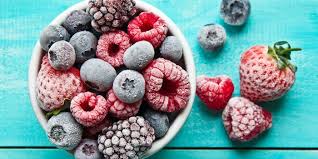
Frozen vegetables are picked at peak ripeness and flash-frozen to preserve nutrients. Contrary to popular belief, they can be just as nutritious — sometimes even more so — than fresh ones stored for too long.
Key Health Benefits:
- Nutrient stability: Freezing locks in vitamins and minerals.
- Convenience: Ready to cook anytime, reducing food waste.
- Affordable and accessible year-round.
- Less spoilage: Nutrients are preserved for months.
📊 4. Nutrient Comparison Chart
| Nutrient Type | Fresh Vegetables | Frozen Vegetables |
|---|---|---|
| Vitamin C | High (if recently harvested) | Slightly lower due to blanching |
| Fiber | High | Same as fresh |
| Minerals (Iron, Calcium, Potassium) | Same | Same |
| Antioxidants | High (varies by vegetable) | Comparable |
| Shelf Life | 3–5 days | 6–12 months |
🔎 Takeaway: Nutritional differences are minimal. Frozen vegetables can be just as beneficial as fresh ones if properly stored and cooked.
ALSO READ
Fruits and Vegetables Intake 6 Science-Backed Benefits for Better Health
🧠 5. Impact on Mental and Physical Wellness
Mental Wellness:
Regular vegetable intake (fresh or frozen) can reduce stress, anxiety, and fatigue. Nutrients like magnesium and folate boost brain health and help balance mood-regulating hormones.
Physical Wellness:
- Enhances immunity and energy levels.
- Helps maintain ideal body weight.
- Supports heart health by lowering bad cholesterol.
- Promotes glowing skin and stronger bones.
🥦 6. Sample Daily Diet Chart
| Meal | Example Dish | Vegetable Type |
|---|---|---|
| Breakfast | Spinach omelet + tomato juice | Fresh |
| Mid-Morning Snack | Frozen peas salad | Frozen |
| Lunch | Mixed vegetable curry + brown rice | Fresh |
| Evening Snack | Stir-fried frozen broccoli | Frozen |
| Dinner | Grilled chicken + steamed carrots | Fresh |
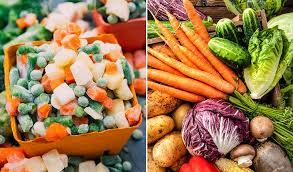
✅ Tip: Mix both fresh and frozen vegetables throughout the day for balanced nutrition and convenience.
🔥 7. Calories and Energy Burn
Vegetables are low in calories and high in fiber, helping in weight management.
| Vegetable Type | Average Calories (per 100g) | Calories Burned (30 mins walk) |
|---|---|---|
| Fresh (average) | 25–35 kcal | ~150 kcal |
| Frozen (average) | 25–40 kcal | ~150 kcal |
👉 Regular intake of vegetables helps you burn more calories naturally by improving metabolism and reducing overeating.
ALSO READ
Weight Loss 2025 Powerful Desi Diet Plan for Fast and Healthy Results
⚠️ 8. Common Disadvantages
While both types are healthy, there are some drawbacks to note:
Fresh Vegetables:
- Lose nutrients quickly if not consumed soon.
- Can spoil faster and cause food waste.
- Sometimes contaminated if not washed properly.
Frozen Vegetables:
- May contain added sodium or preservatives in processed packs.
- Texture can change after thawing.
- Some nutrients like vitamin C slightly decrease during freezing.
✅ 9. Final Verdict
Both fresh and frozen vegetables are excellent for your health. The real key is consistency — not just the form you choose.
If you prefer natural taste and immediate use, go for fresh.
If you value convenience, long shelf life, and minimal waste, frozen is equally great.
The healthiest approach is to combine both — fresh for salads and quick meals, frozen for soups, curries, or smoothing