 by
by Table of Contents
- Introduction
- Why Fruits and Vegetables Are Important
- Nutritional Value Chart
- Health Benefits
- Effects on Mental Wellness
- Effects on Physical Wellness
- Daily Diet Chart for Balanced Intake
- Calories and Energy Burn
- Disadvantages of Overconsumption
🍎 1. Introduction
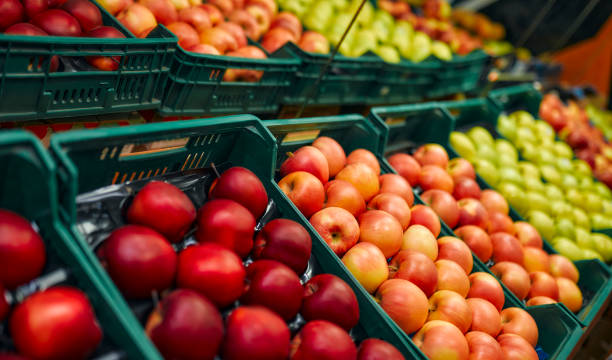
Eating fruits and vegetables daily is one of the simplest yet most powerful steps toward better health. Packed with essential vitamins, minerals, and fiber, they help prevent diseases, improve mood, and maintain a balanced body weight.
Experts recommend consuming at least 5 servings of fruits and vegetables each day — a colorful mix to cover all nutrients and antioxidants.
🥬 2. Why Fruits and Vegetables Are Important
Fruits and vegetables are low in calories, high in fiber, and rich in essential nutrients that support every function in your body — from immunity to mental clarity.
They provide:
- Natural antioxidants to fight free radicals.
- Hydration through their high water content.
- Essential vitamins and minerals like Vitamin C, A, potassium, and folate.
- Dietary fiber for better digestion and heart health.
🥗 3. Nutritional Value Chart
Here’s an overview of the nutrients found in common fruits and vegetables (per 100 grams):
| Item | Calories (kcal) | Fiber (g) | Vitamin C (mg) | Potassium (mg) | Water (%) |
|---|---|---|---|---|---|
| Apple | 52 | 2.4 | 4.6 | 107 | 86% |
| Banana | 89 | 2.6 | 8.7 | 358 | 74% |
| Carrot | 41 | 2.8 | 5.9 | 320 | 88% |
| Spinach | 23 | 2.2 | 28.1 | 558 | 91% |
| Orange | 47 | 2.4 | 53.2 | 181 | 86% |
| Tomato | 18 | 1.2 | 13.7 | 237 | 94% |
| Broccoli | 34 | 2.6 | 89.2 | 316 | 89% |
✅ Tip: Mixing colors (green, red, yellow, orange) ensures a wide range of nutrients and antioxidants.
🌿 4. Health Benefits
🩺 1. Boosts Immunity
Vitamin C-rich fruits like oranges, kiwis, and guavas strengthen the immune system and help fight infections.
❤️ 2. Improves Heart Health
Leafy greens and fiber-rich vegetables reduce cholesterol and maintain healthy blood pressure.
ALSO READ
Honey Health Benefits 10 Powerful Facts for Better Wellness
🧘♀️ 3. Aids in Weight Management
Low-calorie, high-fiber foods keep you full longer and help prevent overeating.
🧴 4. Promotes Skin Health
The antioxidants in fruits like papaya, berries, and carrots keep your skin glowing and youthful.
🧬 5. Reduces Risk of Chronic Diseases
Regular consumption lowers the risk of diabetes, obesity, and certain cancers.
🧠 5. Effects on Mental Wellness
Fruits and vegetables positively influence mental health by:
- Reducing stress – Antioxidants protect brain cells from damage.
- Enhancing mood – Natural sugars and vitamins like B6 help produce serotonin, the “happy hormone.”
- Improving focus – Nutrients like iron and folate boost oxygen flow to the brain, increasing alertness.
- Preventing depression – Studies show people who eat more fruits and vegetables report higher happiness levels.
💡 Tip: Berries, leafy greens, and citrus fruits are known for their brain-boosting properties.
💪 6. Effects on Physical Wellness
Fruits and vegetables help keep the body active and strong:
- Better digestion – Fiber prevents constipation and supports gut health.
- More stamina – Natural sugars from fruits provide steady energy.
- Faster recovery – Vitamins A and C speed up tissue repair and healing.
- Healthy weight – Low fat, nutrient-dense foods balance calorie intake.
🥦 Include spinach, broccoli, and carrots for muscle and bone strength.
🥣 7. Daily Diet Chart for Balanced Intake
Here’s an easy plan to include fruits and vegetables throughout the day:
| Meal Time | Food | Purpose |
|---|---|---|
| Morning (Breakfast) | Oats with banana & apple slices | Boost energy and digestion |
| Mid-Morning Snack | Fresh fruit smoothie or orange | Vitamin C for immunity |
| Lunch | Vegetable salad with carrots, cucumbers, and spinach | Fiber and minerals |
| Evening Snack | Mixed fruit bowl (papaya, melon, berries) | Natural sugar & hydration |
| Dinner | Steamed veggies with soup or brown rice | Light meal, rich in antioxidants |
✅ Recommended Daily Intake:
- 2 servings of fruits
- 3 servings of vegetables

🔥 8. Calories and Energy Burn
| Activity | Duration | Calories Burned (approx.) |
|---|---|---|
| Brisk Walking | 30 minutes | 120–150 kcal |
| Cycling | 30 minutes | 200–250 kcal |
| Light Jogging | 20 minutes | 250–300 kcal |
| Yoga | 45 minutes | 180–220 kcal |
| House Cleaning | 30 minutes | 100–130 kcal |
➡️ A typical fruit serving (like one apple or banana) gives 60–90 calories. So, a short 20–25 minute walk easily burns that energy.
⚠️ 9. Disadvantages of Overconsumption
Even healthy foods have limits — here’s what happens if you overdo it:
- Too much sugar: Overeating fruits (like mango or banana) can raise blood sugar levels.
- Digestive issues: Excess fiber may cause bloating or gas.
- Nutrient imbalance: Relying only on fruits and vegetables can lead to protein deficiency.
- Dental issues: Acidic fruits can erode tooth enamel if oral hygiene is ignored.
💡 Moderation is key: Balance fruits and vegetables with grains, proteins, and healthy fats.
🌸 10. Final Thoughts
Eating enough fruits and vegetables daily is a foundation for long-term health. They fuel your mind, body, and energy while protecting against diseases.
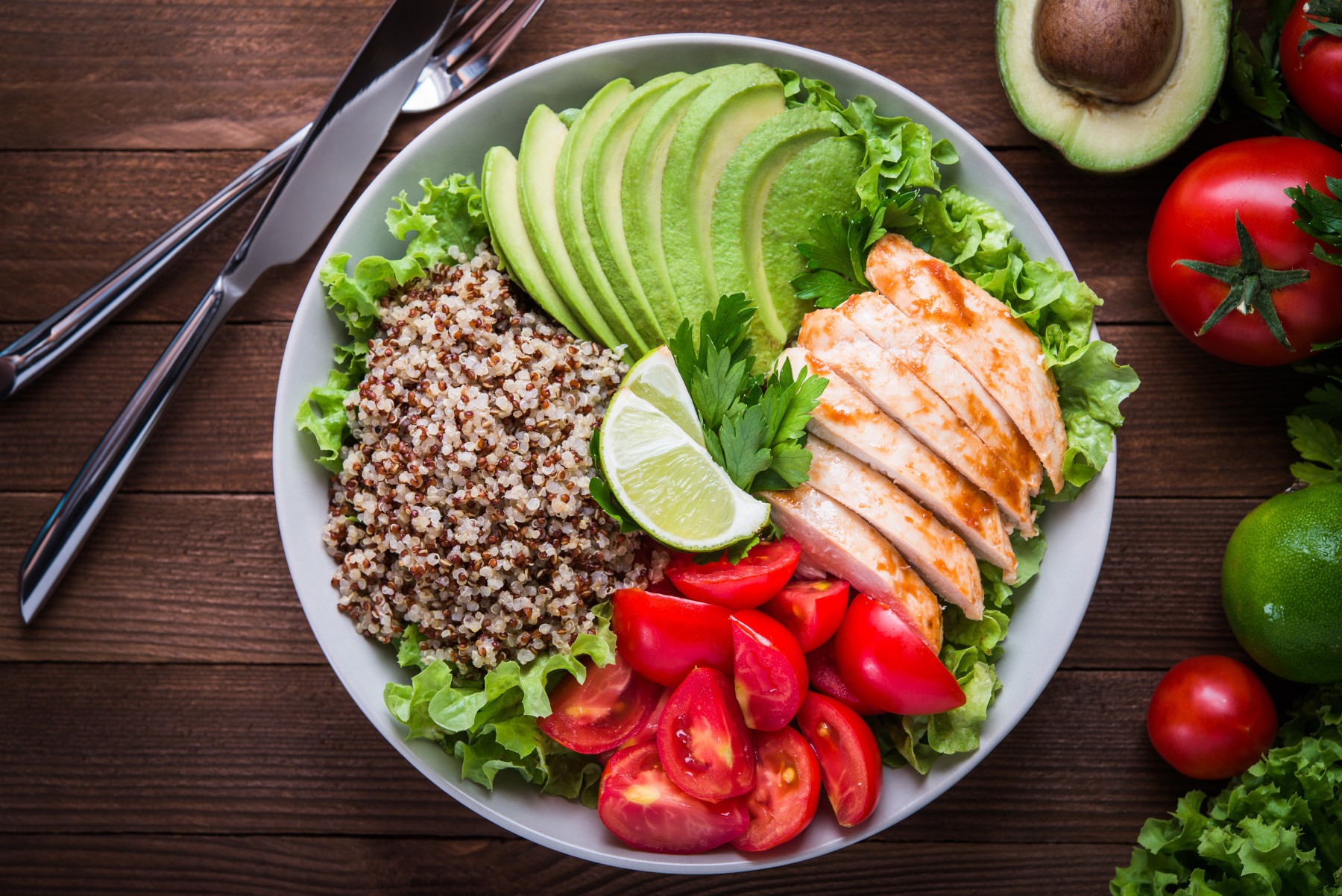
Aim for a colorful plate — it’s not just beautiful, it’s beneficial.
Remember:
“The more colors you eat, the more nutrients you get.”
Make them a non-negotiable part of your daily routine for a happier, stronger, and more energetic life.