 by
by Table of Contents
- Introduction
- Current Fuel Price Situation in Pakistan
- Reasons Behind the Expected Petrol Price Cut
- Global Oil Market Trends and Their Impact
- Role of the Pakistani Rupee and Exchange Rate
- Government’s Strategy to Ease Inflation
- Expected Reduction and Its Timeline
- Public and Economic Reactions
- Future Outlook for Fuel Prices
- Conclusion
1. Introduction
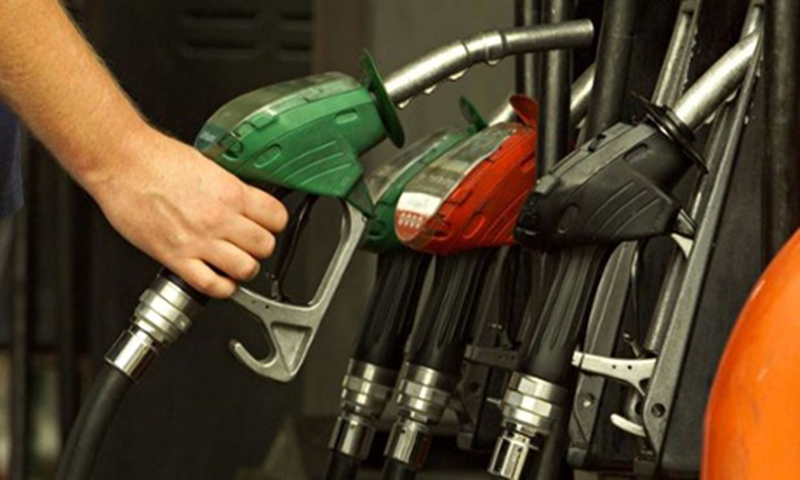
In a positive development for millions of Pakistani citizens, the government is likely to reduce petrol prices within the next few days. The move comes amid falling international oil prices and a stable exchange rate, giving the government room to offer relief to consumers already burdened by inflation.
2. Current Fuel Price Situation in Pakistan
As of mid-November 2025, petrol prices in Pakistan remain a major concern for the public. The current rate, set by the Oil and Gas Regulatory Authority (OGRA) in consultation with the Ministry of Finance, has been stable for the past few weeks. However, with changing market conditions, the government now sees an opportunity to revise prices downward.
3. Reasons Behind the Expected Petrol Price Cut
Several key factors are contributing to the government’s decision to lower fuel prices:
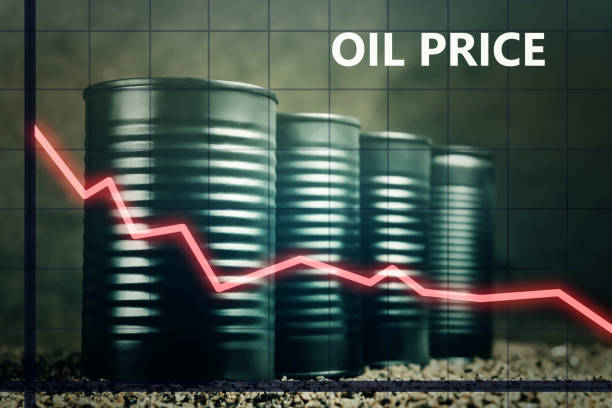
- Falling global crude oil prices: Brent crude has seen a consistent decline over the last few weeks due to slower global demand.
- Stronger Pakistani Rupee: The rupee’s improved performance against the US dollar has reduced import costs.
- Lower shipping and freight costs: Decreased logistical expenses are helping to lower the overall landed cost of petroleum products.
These combined elements have created a favorable environment for a price reduction.
ALSO READ
Pakistan Revenue Distribution Formula Meeting Postponed Again Highlights 5 Key Fiscal Challenges
4. Global Oil Market Trends and Their Impact
The international oil market has been volatile but currently leans toward a downward trend. The slowdown in industrial demand from China and Europe, coupled with higher US production, has led to reduced oil prices.
According to energy analysts, if Brent crude remains below $80 per barrel, Pakistan could reduce petrol prices by Rs. 5 to Rs. 10 per litre in the upcoming fortnightly review.
5. Role of the Pakistani Rupee and Exchange Rate
The exchange rate plays a crucial role in determining fuel prices. Over the past month, the Pakistani rupee has strengthened slightly against the US dollar, trading around Rs. 278–280. This appreciation reduces the import bill for petroleum products, allowing the government to consider passing on the benefits to consumers.
A stable currency also reflects better fiscal management and higher confidence in the economy — both positive signs for upcoming price adjustments.
6. Government’s Strategy to Ease Inflation
The government’s primary goal is to ease inflationary pressures that have affected households across the country. Fuel costs influence almost every sector — from transportation and food prices to manufacturing and logistics.
By reducing petrol prices, the government hopes to:
- Lower transportation costs
- Encourage business activity
- Support agricultural and industrial sectors
- Provide direct relief to ordinary citizens
The Ministry of Finance and OGRA are currently reviewing the latest pricing summaries, and an official announcement is expected soon.
7. Expected Reduction and Its Timeline
According to sources, the upcoming fuel price revision — expected around 15th November 2025 — may bring a reduction of Rs. 5 to Rs. 10 per litre in petrol and Rs. 7 to Rs. 12 per litre in diesel.
For more updates, visit the official website of the Ministry of Finance.
This reduction will depend on:
- Global oil price trends
- Exchange rate movement
- Import costs and local taxation
If approved, the new rates will be applicable for the next 15 days, as per the government’s revised fortnightly pricing mechanism.
8. Public and Economic Reactions
The possibility of a petrol price cut has been met with optimism among citizens and businesses alike. Transporters expect reduced costs, which could stabilize fares and improve affordability for commuters.
Economists, however, advise caution. They believe that while short-term relief is positive, Pakistan must focus on energy diversification and local refining capacity to achieve long-term fuel price stability.
9. Future Outlook for Fuel Prices
The global oil market remains unpredictable. Seasonal demand, geopolitical tensions, and OPEC decisions can all shift prices rapidly. However, if Pakistan continues to maintain a stable rupee and efficient import management, the public can expect a more consistent fuel pricing structure in the coming months.
Government officials have also hinted at exploring renewable energy investments to reduce dependency on imported oil, which would help protect the economy from external shocks.
10. Conclusion
The government’s likely decision to reduce petrol prices within days is a welcome relief for the people of Pakistan. It reflects both improved economic conditions and proactive fiscal management.
While short-term price cuts are beneficial, long-term energy reforms remain essential to ensure sustainable stability. The coming days will reveal how effectively the government translates global opportunities into domestic relief for millions of Pakistanis.