 by
by 🍇 Grapes: Health Benefits, Nutrition, Wellness, Diet, and Juice
Table of Contents
- Introduction
- Nutrient Chart of Grapes
- Health Benefits
- Effects on Mental and Physical Wellness
- Calories Burned and Weight Management
- Disadvantages of Grapes
- Diet Chart Including Grapes
- Grapes Juice: Benefits and Recipe
- Conclusion
1. Introduction
Grapes are one of the oldest and most widely consumed fruits worldwide. Available in various colors such as green, red, and purple, grapes are not only delicious but also rich in essential nutrients and antioxidants. They can be eaten fresh, dried as raisins, or processed into juice, wine, and jams. Grapes have been linked to numerous health benefits that positively affect both mental and physical wellness.
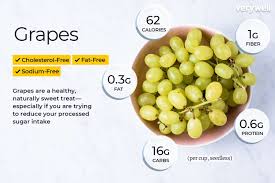
2. Nutrient Chart of Grapes (per 100 grams)
| Nutrient | Amount | Benefits |
|---|---|---|
| Calories | 69 kcal | Low energy, aids weight control |
| Carbohydrates | 18 g | Natural energy source |
| Sugar | 16 g | Natural fruit sugar |
| Fiber | 0.9 g | Supports digestion |
| Protein | 0.7 g | Small contribution |
| Fat | 0.2 g | Negligible |
| Vitamin C | 10% DV | Immunity and skin health |
| Vitamin K | 18% DV | Blood clotting and bone health |
| Potassium | 191 mg | Heart and muscle function |
| Antioxidants | High | Protects cells from damage |
DV = Daily Value based on standard adult needs.
3. Health Benefits
Physical Wellness
- Rich in Antioxidants: Grapes contain flavonoids, resveratrol, and quercetin which help fight oxidative stress and inflammation.
- Heart Health: Regular consumption supports heart health by lowering blood pressure and reducing LDL cholesterol.
- Digestive Aid: Though lower in fiber than some fruits, grapes help keep the digestive system smooth and healthy.
- Eye Health: Grapes contain lutein and zeaxanthin, which protect against age-related macular degeneration.
Mental Wellness
- Brain Protection: The antioxidants in grapes, especially resveratrol, are linked to improved memory and cognitive function.
- Mood Booster: Grapes contain vitamin B6 and folate which help regulate mood and reduce depression risks.
- Stress Reduction: Polyphenols in grapes can help reduce stress hormones and improve brain plasticity.
4. Effects on Mental and Physical Wellness
ALSO Read 7 Powerful Health Benefits of Oranges for Glowing Skin Strong Immunity and Weight Loss
Eating grapes regularly benefits both mind and body. Physically, they help improve cardiovascular health, maintain hydration, and reduce inflammation, which is key to preventing chronic diseases. Mentally, grapes can protect neurons from damage caused by free radicals and support neurotransmitter function, improving focus and emotional balance. Their natural sugars also provide a gentle energy boost without the crash typical of processed sweets.
5. Calories Burned and Weight Management
A serving of 100 grams of grapes contains roughly 69 calories. While grapes themselves do not burn calories, substituting high-calorie snacks with grapes can help reduce total calorie intake. Grapes’ water content and natural sugars make them a satisfying, low-calorie snack option.
For example, a 30-minute brisk walk burns approximately 120-180 calories depending on your body weight and pace. Choosing grapes instead of chips or candy combined with physical activity supports gradual weight loss or maintenance.
6. Disadvantages of Grapes
- High Sugar Content: Grapes contain natural sugars, so people with diabetes should monitor their intake.
- Potential Allergies: Some people may experience allergic reactions such as itching or swelling.
- Pesticide Residue: Grapes often have pesticide residues unless organic; washing thoroughly is advised.
- Digestive Discomfort: Overeating grapes can cause bloating or diarrhea due to their sugar alcohol content.
7. Diet Chart Including Grapes
Breakfast:
- Fresh grapes (1 cup)
- Whole grain toast with peanut butter
- Herbal tea
Mid-Morning Snack:
- A handful of grapes with mixed nuts
Lunch:
- Grilled chicken or tofu
- Quinoa or brown rice
- Salad with grape halves and walnuts
Afternoon Snack:
- Low-fat yogurt with grape slices
Dinner:
- Steamed vegetables and baked fish
- Small portion of grapes as dessert
Evening Snack (optional):
- A small bowl of grapes
This diet balances grapes with protein, fiber, and healthy fats for sustained energy.
8. Grapes Juice: Benefits and Recipe
Benefits
- Provides hydration and antioxidants in an easily digestible form.
- Refreshing source of natural sugars and vitamin C.
- May improve heart health due to concentrated polyphenols.

Simple Grapes Juice Recipe
Ingredients:
- 2 cups fresh grapes (red or green)
- 1 cup water
- Optional: A squeeze of lemon for freshness
Instructions:
- Wash grapes thoroughly.
- Blend grapes with water until smooth.
- Strain through a fine sieve if desired.
- Add lemon juice for extra zing.
- Serve chilled immediately for best taste and nutrient retention.
9. Conclusion
Grapes are a delicious, nutrient-packed fruit that supports mental and physical wellness. Their antioxidants and vitamins promote heart health, brain function, and skin vitality. While they are low in calories and easy to include in many diets, moderation is important due to natural sugars. Fresh grapes and grape juice both provide unique health benefits and make enjoyable additions to a balanced diet.