by
by Table of Contents
- Introduction
- Background on IESCO and Solar Power in Pakistan
- Details of the New Meter Requirement
- Impact on Solar Power Customers
- Industry and Public Reactions
- Possible Reasons Behind IESCO’s Move
- Implications for Renewable Energy Growth
- Conclusion
1. Introduction
The Islamabad Electric Supply Company (IESCO) has reportedly asked solar power customers to purchase new electricity meters costing Rs. 52,000. This directive has raised concerns among consumers and industry experts alike, sparking debates about affordability and the future of solar energy adoption in Pakistan.
The announcement comes at a time when the government is actively promoting renewable energy, encouraging households and businesses to shift to solar solutions to reduce reliance on conventional power and cut electricity bills.
2. Background on IESCO and Solar Power in Pakistan
IESCO is one of the largest electricity distribution companies in Pakistan, serving millions of customers in the Islamabad, Rawalpindi, and surrounding regions. Over the last decade, solar energy adoption in Pakistan has grown significantly, driven by rising electricity costs and frequent power outages.
Residential and commercial solar installations have become increasingly popular, offering a reliable alternative to grid electricity. Many consumers have invested in solar systems with the expectation of long-term savings and reduced dependence on IESCO for energy supply.
IESCO
Rupee Devaluation 5 Powerful Reasons It Failed to Boost Pakistan Exports
3. Details of the New Meter Requirement
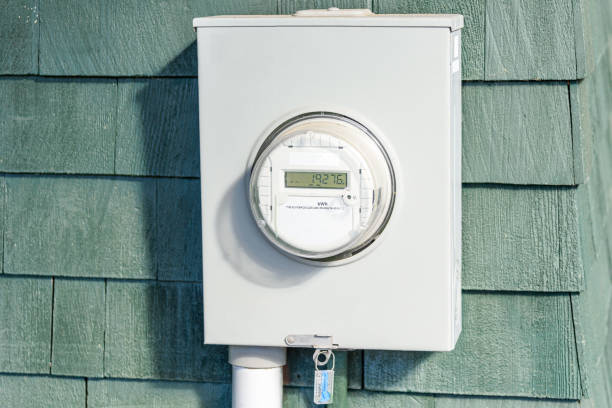
According to reports, IESCO has asked solar power users to replace their existing meters with new ones costing approximately Rs. 52,000. The utility claims that these new meters are necessary to accurately measure electricity produced and consumed by solar installations.
The new meters are reportedly smart meters capable of two-way energy measurement, which can track electricity drawn from the grid and exported back to it. IESCO argues that these meters are crucial for proper billing, ensuring transparency in solar power usage, and preventing discrepancies.
4. Impact on Solar Power Customers
The directive has sparked concern among solar power users. For households and small businesses that have already invested heavily in solar panels, the additional cost of Rs. 52,000 per meter is significant.
Many consumers feel that this unexpected expense undermines the financial benefits of installing solar power in the first place. Additionally, some users worry about potential delays and bureaucratic hurdles in obtaining and installing the new meters, which could further complicate their energy management.
5. Industry and Public Reactions
Industry experts have expressed mixed reactions to IESCO’s announcement. Some argue that upgrading meters is necessary for accurate billing and integration of solar energy into the grid. Others, however, see it as an added financial burden that could discourage people from adopting renewable energy solutions.
For more information on IESCO policies and solar metering requirements, visit the official IESCO website.
Public reactions on social media and news forums have largely been critical. Many users question why they should bear the cost of a meter mandated by the utility. There is also concern that this move could slow the growth of solar adoption in Pakistan at a time when the government is promoting green energy initiatives.
6. Possible Reasons Behind IESCO’s Move
Several factors could be motivating IESCO to implement this policy:
- Technical Accuracy – Existing meters may not be capable of accurately recording both energy drawn from and supplied to the grid by solar users.
- Revenue Protection – Smart meters could prevent under-reporting of electricity usage and potential losses for the utility.
- Grid Integration – Two-way meters can help IESCO manage energy flow more efficiently, balancing supply from solar and conventional sources.
- Policy Compliance – The utility may be aligning with government regulations regarding renewable energy monitoring and net metering standards.
While these reasons have technical merit, the timing and cost of the meters have sparked controversy among consumers.
7. Implications for Renewable Energy Growth
The high cost of new meters may have a chilling effect on the adoption of solar energy in Pakistan. Prospective customers might reconsider investing in solar solutions if additional mandatory costs arise after installation.
ALSO READ
Indian Businessman Scams BlackRock Out of $500 Million in Massive Fraud
Furthermore, this move could affect the country’s renewable energy targets. Pakistan has set ambitious goals for solar energy capacity in the coming years. Policies that increase upfront costs for consumers could hinder progress toward these targets, unless accompanied by government subsidies or financial assistance programs.
8. Conclusion
IESCO’s reported decision to ask solar power customers to buy new meters worth Rs. 52,000 has generated debate and concern. While the utility argues that the new meters are necessary for accurate billing and grid management, many consumers see this as a financial burden that undermines the benefits of solar power.
The situation highlights the delicate balance between technical requirements and consumer affordability in promoting renewable energy. To ensure continued growth in solar adoption, policymakers and utilities must consider measures that minimize costs while improving infrastructure and monitoring systems.