 by
by Table of Contents
- Introduction
- Reasons for Changing the Syllabus
- Key Subjects Affected
- Timeline for Implementation
- Impact on Students and Teachers
- Challenges and Concerns
- Recommendations for Smooth Transition
- Conclusion
1. Introduction
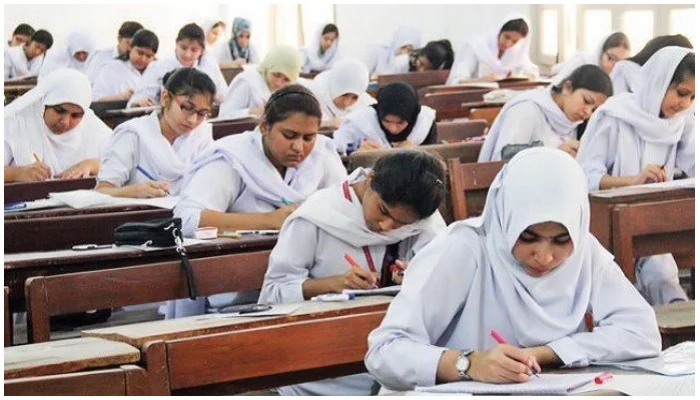
The Sindh government has announced a revision of the intermediate syllabus across colleges and educational institutions.
The move aims to modernize the curriculum, align it with international standards, and ensure students are better prepared for higher education and professional careers.
This change will affect both science and arts streams, and it will require updates to textbooks, teacher training, and assessment methods.
For official updates on the intermediate syllabus in Sindh, visit the Directorate of Curriculum, Assessment & Research Sindh (DCAR) official website
2. Reasons for Changing the Syllabus
Several factors have led to the decision to revise the intermediate syllabus:
- Outdated content: Many topics have remained unchanged for decades and no longer reflect current knowledge and practices.
- Global competitiveness: Students need a curriculum that aligns with international education standards to compete in global higher education and job markets.
- Skill-based learning: The new syllabus emphasizes practical skills, critical thinking, and problem-solving rather than rote memorization.
- Feedback from educators and institutions: Teachers, colleges, and subject experts recommended changes to make the syllabus more relevant and comprehensive.
3. Key Subjects Affected
The syllabus revision will cover major streams, including:
- Science Group: Physics, Chemistry, Biology, and Mathematics.
- Focus on conceptual understanding and laboratory skills.
- Removal of redundant topics and introduction of contemporary scientific developments.
- Arts Group: Social Sciences, Literature, and Humanities.
- Emphasis on research, analytical skills, and contemporary issues.
- Computer Science & IT: Introduction of modern programming languages, AI concepts, and digital literacy.
- Electives: Optional subjects like Environmental Science and Psychology will be updated to reflect current trend
4. Timeline for Implementation
The government has planned a phased implementation:
- Curriculum Drafting: Initial drafts prepared by expert committees and education boards.
- Teacher Workshops: Training programs for teachers to familiarize them with the revised syllabus.
- Textbook Updates: Revision and publication of textbooks in line with the new syllabus.
- Official Rollout: New syllabus to be implemented in the next academic year, with gradual assessment modifications.
5. Impact on Students and Teachers
A. Students
ALSO RAED
Teacher Verification Program Punjab Launches Official Licenses
- Students will benefit from a more relevant and modern curriculum.
- Exposure to practical skills and critical thinking will prepare them for higher education and competitive exams.
- Students may face initial adjustment challenges due to new topics and assessment methods.
B. Teachers
- Teachers will need training and adaptation to deliver new content effectively.
- Professional development programs will be crucial for smooth transition.
- Teachers will play a key role in guiding students through the syllabus changes.
6. Challenges and Concerns
Despite the benefits, some challenges remain:
- Resource limitations: Schools and colleges may need additional resources like updated labs, libraries, and learning materials.
- Teacher readiness: Not all teachers may be adequately trained or familiar with new topics initially.
- Assessment adjustments: Examination boards must align assessment methods with the revised syllabus.
- Student adaptation: Students used to traditional learning methods may require extra support to cope with changes.
7. Recommendations for Smooth Transition
To ensure a successful rollout, the following steps are recommended:
- Teacher Training: Organize workshops and refresher courses for all subject teachers.
- Updated Resources: Provide modern textbooks, digital content, and laboratory equipment.
- Student Orientation: Introduce awareness programs for students to understand the revised syllabus.
- Regular Feedback: Collect feedback from students and teachers to improve the curriculum continuously.
- Monitoring and Evaluation: Track the implementation and address issues promptly to avoid disruption.
8. Conclusion
The decision to revise the intermediate syllabus in Sindh is a step toward modernizing education and preparing students for the demands of higher education and the global workforce.
While challenges like teacher training, resource availability, and student adaptation exist, a structured implementation plan and proper support can ensure the transition is smooth and effective.
Ultimately, a relevant, skill-based, and updated syllabus will empower students to excel academically, think critically, and succeed in their future careers.