 by
by Table of Contents
- Introduction
- The Issue: Lack of Detailed Mark Sheets
- The E-Marking Debacle
- Impact on Students
- Official Response
- Public Outcry and Protests
- Comparative Analysis: Other Boards
- The Path Forward
- Conclusion
Introduction
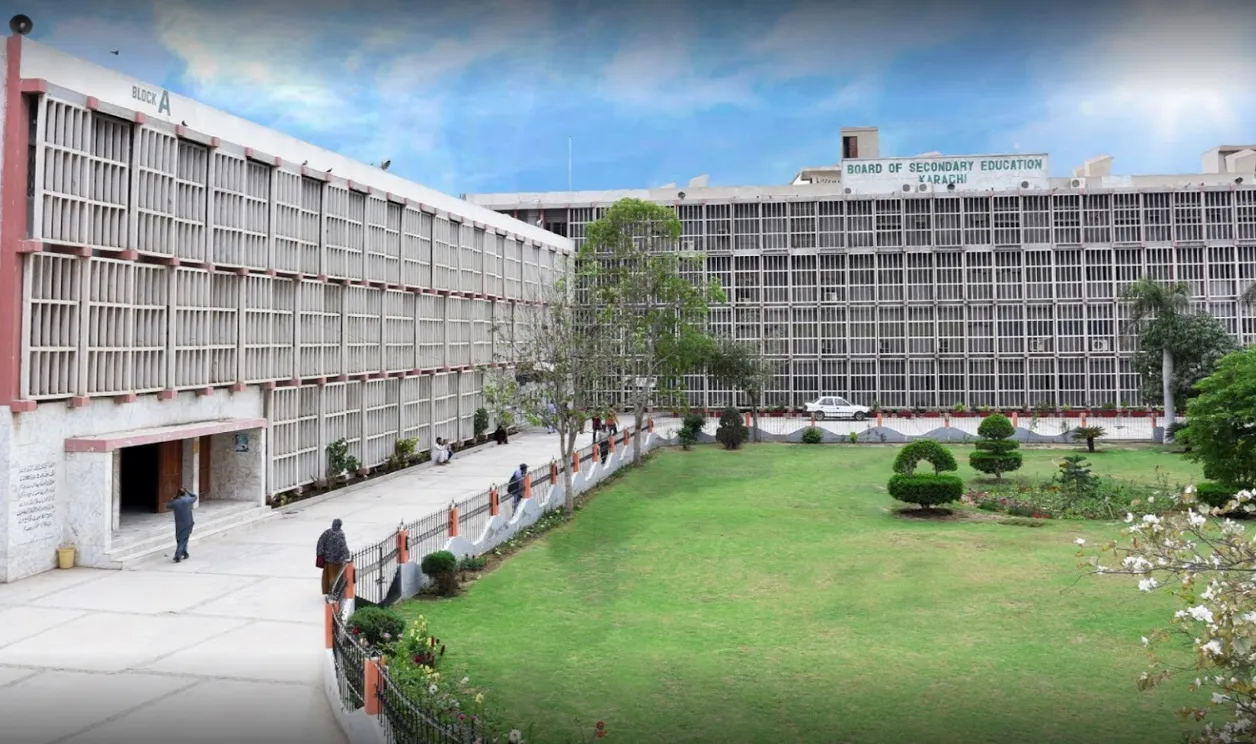
The Board of Secondary Education Karachi (BSEK) has recently come under intense scrutiny following the release of the Class IX results for Science and General groups.
With over 175,000 students affected, the board’s handling of the examination process has raised serious concerns about transparency, efficiency, and student futures.
The situation has sparked debate among educators, students, and parents, all demanding urgent action.
The Issue: Lack of Detailed Mark Sheets
When the results were announced, students were only informed about their pass or fail status in individual subjects.
Detailed mark sheets, including subject-wise and total marks, have not yet been released.
The delay has left students unable to calculate their overall percentage or plan their next academic steps, which is particularly crucial for higher education admissions.
The E-Marking Debacle
In a bid to modernize its system, BSEK had invested in e-marking-compatible answer sheets.
However, despite this investment, the Science group mathematics papers were marked manually.
This inconsistency between the board’s digital ambitions and reality has drawn criticism from educators and parents alike.
ALSO RAED
Punjab Implements Measures for Students Failing Two or More Subjects
Impact on Students
The lack of detailed mark sheets has severe implications.
- Students cannot apply to higher education programs that require complete academic records.
- There is a growing lack of trust in the examination system.
- Many students and parents feel frustrated and disillusioned.
For students preparing for future academic milestones, this uncertainty is particularly stressful.
Official Response
The Controller of Examinations, Hamza Tagar, acknowledged the issues and delays.
The board has assured students that detailed mark sheets will be released soon.
However, this assurance has not fully alleviated concerns, as parents and students question the board’s preparedness and commitment to timely results.
Public Outcry and Protests
Dissatisfaction has led to widespread protests.
Students, parents, and educators have taken to the streets, demanding immediate action and accountability.
These protests reflect the deep frustration and highlight the urgent need for reforms in the examination process.
For updates related to intermediate education, you may also refer to the Board of Intermediate Education Karachi’s official website:
Board of Secondary Education Karachi (BSEK)
Comparative Analysis: Other Boards
Other educational boards in Pakistan, such as those in Punjab, have provided provisional mark sheets immediately after result announcements.
This approach is praised for transparency and efficiency, emphasizing the shortcomings of BSEK’s current system.
The comparison suggests that timely communication and digital infrastructure could prevent such crises.
The Path Forward
To restore confidence, BSEK must take immediate and concrete steps:
- Release detailed mark sheets promptly.
- Conduct a review of e-marking implementation.
- Engage stakeholders (students, parents, educators) for feedback and reforms.
- Commit to transparent practices for all future examinations.
Such measures will help rebuild trust in the examination system and ensure students’ futures are not compromised.
Conclusion
The current crisis at BSEK highlights the critical need for modernization and accountability in Pakistan’s educational boards.
The future of over 175,000 students is at stake, and the board must act swiftly to restore trust and transparency.
Only through efficient processes, digital integration, and stakeholder engagement can the board ensure that students’ academic journeys are protected and their aspirations fulfilled.