 by
by Table of Contents
- Introduction
- The Collaboration: LUMS & HBL
- Key Features of the Commercial Financing Scheme
- Strategic Importance for Pakistan’s Electric Mobility
- Implementation Roadmap and Stakeholder Roles
- Challenges and Risk Mitigation
- Conclusion
1. Introduction
Pakistan is at a crucial point in its transport and energy transition. Rising fuel costs, urban air pollution, and climate commitments are driving the need for cleaner mobility solutions. Electric mobility is emerging as a key solution, offering environmental and economic benefits.
In this context, the partnership between LUMS and HBL aims to accelerate the adoption of electric vehicles through commercial financing schemes. These schemes will particularly target electric three-wheelers, a rapidly growing segment in urban transport.
2. The Collaboration: LUMS & HBL
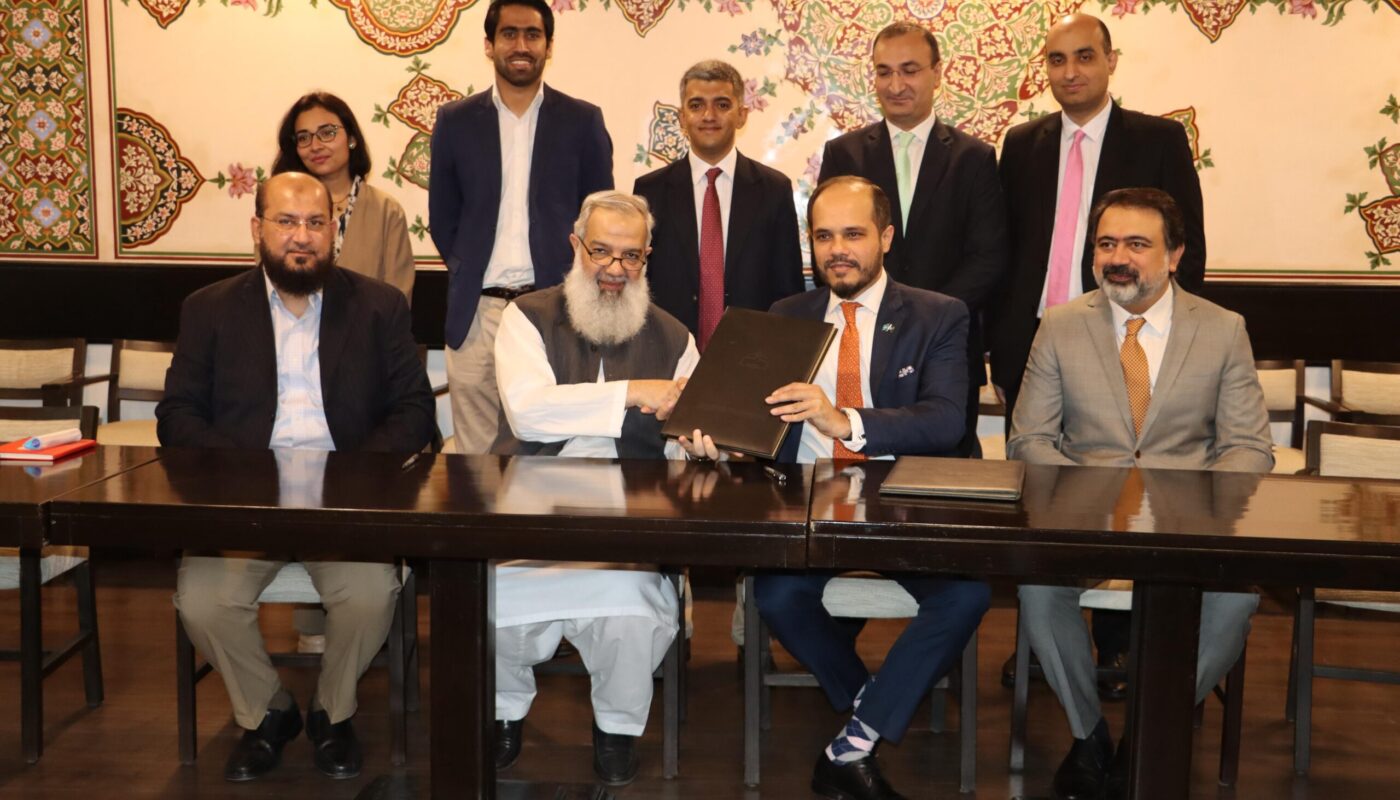
LUMS and HBL have joined hands to develop financing solutions for electric mobility. The focus is on creating a battery-swapping network for electric three-wheelers.
The collaboration aims to:
- Design flexible financing models for electric three-wheelers and related infrastructure.
- Reduce the entry costs and operational barriers for small operators.
- Enable HBL to support private-sector investment in EV infrastructure through credit facilities and risk guarantees.
Senior officials from both institutions are working together to ensure a structured rollout and alignment with market needs.
ALSO READ
Government Considers Development Budget Cut Amid Revenue Shortfall
3. Key Features of the Commercial Financing Scheme
- Tailored Financing: The scheme targets electric three-wheelers, reducing upfront costs and operational risk through a battery-swapping model.
- Flexible Credit: HBL provides structured lending options for SMEs and private operators deploying EV infrastructure, supported by risk mitigation mechanisms.
- Technical Support: LUMS offers research and development support, including battery testing and validation, to back the financing scheme with technical reliability.
- Policy Alignment: The initiative aligns with Pakistan’s climate commitments and encourages sustainable transport adoption.
4. Strategic Importance for Pakistan’s Electric Mobility
According to the Press Information Department of Pakistan, the government is actively promoting electric mobility initiatives to support sustainable transport solutions (PID.gov.pk)
The partnership addresses several critical challenges:
- Reducing Cost Barriers: High upfront costs have slowed EV adoption in Pakistan. Flexible financing lowers these barriers.
- Building an EV Value Chain: The battery-swapping model creates new business opportunities, including charging stations, battery logistics, and fleet operations.
- Environmental and Economic Benefits: EVs can reduce emissions, improve urban air quality, and lower operational costs for fleet operators.
- Mobilizing Private Investment: Structured financing and risk mitigation encourage private sector participation in EV infrastructure.
5. Implementation Roadmap and Stakeholder Roles
Phase 1: Pilot Deployment
- Launch battery-swapping stations in selected urban clusters.
- HBL introduces pilot financing products for SMEs and infrastructure operators.
- LUMS provides technical validation and performance monitoring.
Phase 2: Scale-Up
- Expand coverage to additional urban areas.
- Introduce other EV segments, such as two-wheelers and light commercial vehicles.
- Refine financing based on operational data.
Phase 3: Ecosystem Maturity
- Establish a complete EV value chain, including manufacturing, maintenance, and leasing.
- Support policy development to encourage further private-sector investment.
Stakeholder Roles:
- LUMS: Technical validation, R&D support, monitoring, and data collection.
- HBL: Financing structuring, risk mitigation, SME outreach.
- Private Sector: Operating EV fleets and managing swapping stations.
- Government: Policy support, incentives, and regulatory frameworks.
6. Challenges and Risk Mitigation
ALSO READ
FBR Crackdown 2025: Powerful Action Against Fintech Executive Owning 30 Luxury Cars
Several challenges must be addressed:
- Infrastructure Readiness: Reliable electricity and station placement are critical. Early deployment should focus on urban clusters with existing infrastructure.
- Technology Risks: Battery durability and performance can affect economics. Continuous testing and maintenance support are essential.
- Financing Risks: SMEs may face default risk. Mitigation includes risk guarantees and structured lending.
- User Acceptance: Drivers and operators may hesitate to switch from conventional vehicles. Incentives and pilot success stories can encourage adoption.
- Regulatory Uncertainty: Stable policy and incentives are needed to sustain private investment.
7. Conclusion
The collaboration between LUMS and HBL provides a structured approach to advancing electric mobility in Pakistan. By combining academic research, technical validation, and commercial financing, the initiative addresses critical adoption barriers.
Focusing on flexible financing for electric three-wheelers and battery-swapping infrastructure, the partnership has the potential to accelerate EV adoption, reduce emissions, and stimulate the green economy. If executed effectively, it could serve as a model for sustainable transport solutions in other developing countries as well.