 by
by Table of Contents
- Introduction
- Overview of the Payment
- Understanding Circular Debt
- Details of the Settlement Plan
- Role of Power Holding (Private) Limited
- Impact on OGDC
- Wider Economic Implications
- Government Strategy on Circular Debt
- Challenges Ahead
- Conclusion
1. Introduction
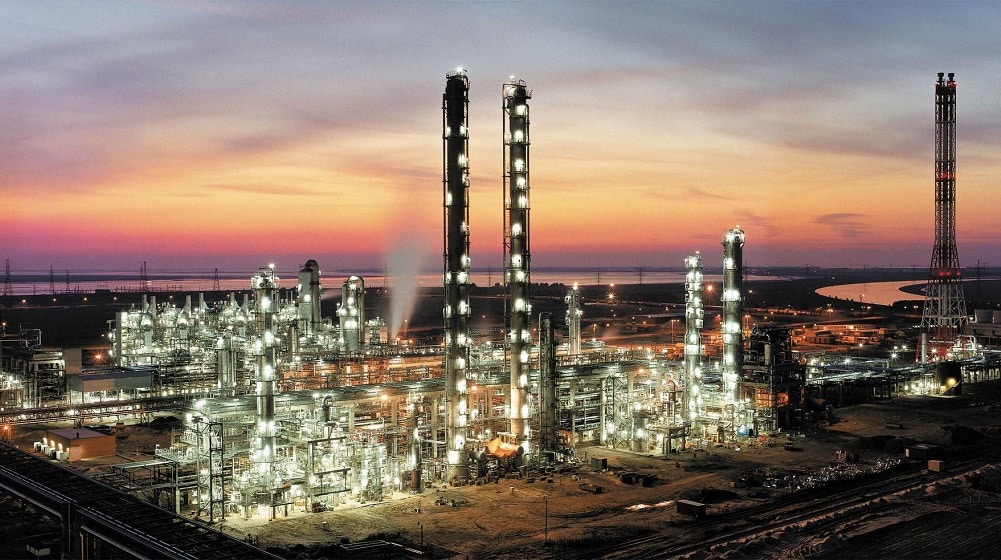
The Oil and Gas Development Company Limited (OGDC), Pakistan’s largest oil and gas exploration company, recently received Rs. 7.725 billion under the government’s circular debt settlement plan. This payment is part of a structured scheme designed to clear outstanding dues owed to OGDC by the government and energy sector entities.
The government introduced this plan to reduce financial pressure on energy companies and stabilize the sector, which has been facing liquidity challenges due to unpaid receivables.
2. Overview of the Payment
The Rs. 7.725 billion payment marks the seventh monthly installment under the plan. The total interest to be paid to OGDC amounts to Rs. 92 billion, distributed in 12 equal monthly installments.
This structured repayment ensures predictable cash flow for OGDC, helping the company maintain its operations and investment activities without disruptions caused by delayed payments.
3. Understanding Circular Debt
Circular debt is a term used to describe a chain of unpaid dues in the energy sector. It occurs when power producers, fuel suppliers, and distribution companies are unable to settle payments on time, creating a backlog of financial obligations.
In Pakistan, circular debt has been a persistent issue due to:
- Delayed payments by power distribution companies.
- Tariff mismatches between production costs and consumer pricing.
- Losses in energy transmission and distribution.
This debt reduces operational efficiency, limits investments in exploration and production, and affects the overall energy supply chain.
4. Details of the Settlement Plan
To address circular debt, the government approved a structured settlement plan for OGDC:
- Principal amount: Rs. 82 billion to clear previous dues.
- Interest payments: Rs. 92 billion paid in 12 monthly installments.
This system ensures timely repayment, providing financial stability to OGDC and encouraging further investment in exploration and production projects.
5. Role of Power Holding (Private) Limited
Power Holding (Private) Limited (PHL) is the entity responsible for disbursing monthly interest payments to OGDC.
PHL receives funds from the government and transfers them to OGDC, acting as an intermediary. This arrangement ensures smooth and predictable payment flows without delays or interruptions.
ALSO READ
Pakistan’s Solar Revolution Soars Despite Monthly Dip in Installations
6. Impact on OGDC
The payment of Rs. 7.725 billion brings multiple benefits to OGDC:
- Improved liquidity: Helps fund ongoing exploration and production.
- Operational stability: Ensures smooth business operations without cash flow disruptions.
- Investment planning: Allows OGDC to allocate capital efficiently for long-term growth.
- Dividend support: Provides financial backing to maintain dividends to shareholders.
This structured approach strengthens OGDC’s financial position and boosts investor confidence in the company.
7. Wider Economic Implications
Resolving circular debt has positive implications beyond OGDC:
Restoring Confidence
Timely payments to OGDC increase trust among investors and stakeholders in the energy sector.
Reducing Systemic Risk
Clearing debt reduces the risk of defaults across other energy companies, promoting sector stability.
Better Budget Planning
Structured repayments allow both government and energy firms to forecast budgets and plan investments efficiently.
8. Government Strategy on Circular Debt
The government’s strategy includes:
- Clearing overdue dues across the energy sector to improve liquidity.
- Using term finance certificates (TFCs) to restructure debt.
- Implementing fiscal measures to reduce sector deficits.
These measures aim to resolve systemic inefficiencies and ensure the energy sector remains sustainable in the long term.
9. Challenges Ahead
Despite progress, challenges remain:
- Maintaining consistent government funding for settlements.
- Improving operational efficiency in power distribution companies.
- Balancing consumer energy tariffs with industry costs.
- Addressing structural gaps in energy pricing to prevent future debt accumulation.
Long-term coordination between public and private sector stakeholders is crucial to fully eliminate circular debt.
According to the Power Division of the Government of Pakistan, circular debt continues to impact the energy sector. Official government report provides detailed data and analysis on the issue.
10. Conclusion
The receipt of Rs. 7.725 billion by OGDC under the circular debt settlement plan is a significant step toward stabilizing Pakistan’s energy sector.
For OGDC, it provides financial stability and operational clarity. For the country, it signals a commitment to resolving energy sector inefficiencies, restoring investor confidence, and supporting economic growth.
With consistent implementation of the settlement plan, Pakistan is gradually addressing the long-standing challenges of circular debt while securing the future of its energy sector.