by
by Table of Contents
- Introduction
- What Are Olives
- Nutritional Value of Olives
- Major Health Benefits of Olives
- Olive Oil and Physical Wellness
- Olive Oil and Mental Wellness
- Olives and Weight Management
- Calories in Olives and Calories Burned
- Daily Olive Diet Chart
- Best Time and Ways to Consume Olives
- Disadvantages of Olives
- Who Should Avoid or Limit Olives
- Olives Compared to Other Fats
- Final Thoughts
1. Introduction
Olives are small fruits that come from the olive tree and are widely known for their strong health benefits. They are an essential part of healthy eating patterns and are valued for their natural fats, antioxidants, and vitamins. Olives and olive oil support heart health, brain function, digestion, and overall physical wellness.
Because of their nutritional profile, olives are commonly included in balanced, low-carb, and heart-friendly diets.
2. What Are Olives
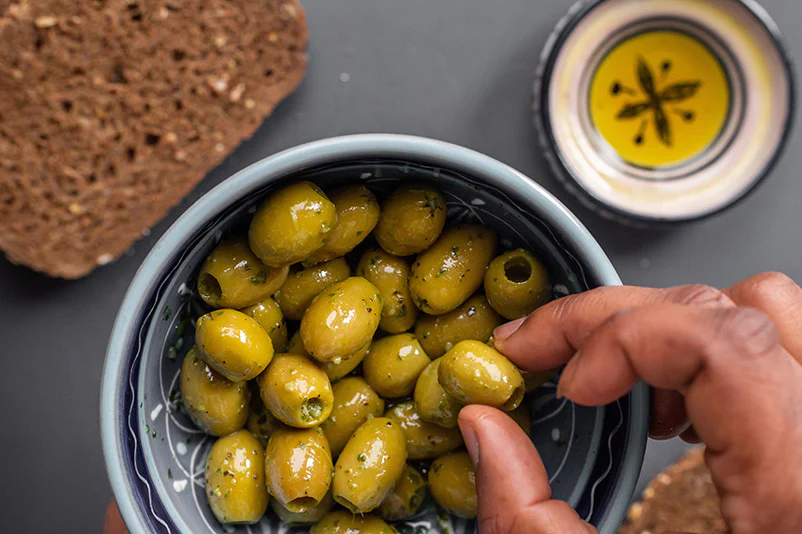
Olives are fruits, not vegetables. They grow on evergreen trees and are harvested at different stages of ripeness.
- Green olives are picked early
- Black olives are fully ripened
- Both forms provide similar health benefits
Olives are rarely eaten raw due to bitterness and are usually cured before consumption.
3. Nutritional Value of Olives
Olives are rich in healthy fats and micronutrients while being low in sugar.
Nutrients Chart (Per 100g Olives)
| Nutrient | Amount |
|---|---|
| Calories | 145 kcal |
| Total Fat | 15 g |
| Healthy Fats | 11 g |
| Carbohydrates | 4 g |
| Fiber | 3 g |
| Protein | 1 g |
| Vitamin E | 3.8 mg |
| Iron | 3.3 mg |
| Calcium | 88 mg |
| Sodium | 735 mg |
These nutrients make olives a powerful food for daily wellness when eaten in moderation.
4. Major Health Benefits of Olives
ALSO READ
Almond Milk Health Guide for Daily Nutrition and Wellness
Supports Heart Health
Olives contain healthy fats that help reduce harmful cholesterol levels and support proper blood circulation.
Reduces Inflammation
Natural antioxidants in olives protect the body from inflammation and oxidative stress.
Improves Digestive Health
The fiber in olives supports gut health and promotes smooth digestion.
Strengthens Immunity
Vitamin E helps protect cells and boosts the immune system.
Improves Bone Health
Regular olive consumption may help maintain bone strength.
5. Olive Oil and Physical Wellness
Olive oil plays a major role in improving physical health.
Enhances Energy Levels
Healthy fats provide sustained energy throughout the day.
Supports Muscle Health
Olive oil reduces muscle inflammation and improves recovery after physical activity.
Improves Skin and Hair
Natural oils help maintain skin hydration and strengthen hair.
Protects Joints
Anti-inflammatory compounds help reduce joint stiffness and pain.

6. Olive Oil and Mental Wellness
Olive oil is highly beneficial for brain health.
Supports Brain Function
Antioxidants protect brain cells from damage.
Improves Mood
Healthy fats support hormone balance linked to emotional stability.
Enhances Memory
Regular intake may help slow age-related cognitive decline.
Reduces Stress Impact
Anti-oxidative properties protect the nervous system.
7. Olives and Weight Management
Although olives contain fat, they can help manage weight.
- Increase fullness
- Reduce unhealthy cravings
- Stabilize blood sugar
- Improve metabolism
Eating small portions regularly is more effective than large quantities.
8. Calories in Olives and Calories Burned
ALSO READ
Healthy Breakfast Foods for Daily Life and Nutrition
Calories in Olives
- 5 olives: 25–30 calories
- 10 olives: 50–60 calories
- 1 tablespoon olive oil: 120 calories
Calories Burned by Activities (30 Minutes)
| Activity | Calories Burned |
|---|---|
| Walking | 120–150 |
| Jogging | 250–300 |
| Cycling | 200–280 |
| Yoga | 100–150 |
| Strength Training | 180–250 |
Balancing calorie intake with physical activity helps maintain a healthy weight.

9. Daily Olive Diet Chart
Simple Olive-Based Diet Plan
Morning
- Warm water
- 4–5 olives or 1 teaspoon olive oil
Breakfast
- Whole grain bread with olive oil
- Egg or yogurt
Lunch
- Rice or roti
- Vegetables cooked in olive oil
Snack
- Nuts or fruit
Dinner
- Lean protein
- Steamed vegetables with olive oil
This diet supports heart health, digestion, and mental clarity.
10. Best Time and Ways to Consume Olives
- Morning with breakfast
- Added to salads
- Used in cooking
- As a healthy snack
- Drizzled over vegetables
Avoid consuming large amounts late at night.
11. Disadvantages of Olives
Despite many benefits, olives have some drawbacks.
High Sodium
Excessive salt intake may increase blood pressure.
Weight Gain
Overconsumption may add extra calories.
Digestive Discomfort
Large amounts may cause bloating.
Sensitivity Issues
Some individuals may experience mild reactions.
12. Who Should Avoid or Limit Olives
- People with high blood pressure
- Those on low-sodium diets
- Individuals with sensitive digestion
- People following strict weight-loss plans
Moderation is essential.
13. Olives Compared to Other Fats
| Fat Source | Health Impact |
|---|---|
| Olives | Heart-friendly, antioxidant-rich |
| Butter | High saturated fat |
| Refined Oils | Low nutritional value |
| Coconut Oil | High saturated fat |
| Avocado | Similar healthy fats |
Olives remain one of the healthiest natural fat sources.
14. Final Thoughts
Olives and olive oil are powerful natural foods that support physical strength, mental wellness, heart health, and long-term vitality. Their rich nutrient profile makes them suitable for daily consumption when eaten in controlled amounts.
Adding olives to a balanced diet improves energy, digestion, brain function, and overall wellness. For best results, focus on moderation, variety, and consistency.