 by
by Table of Contents
- Introduction
- Economic Stability Achieved
- Shift Towards Sustainable Growth
- Export-Focused Strategy
- Sectoral Priorities
- Role of Government Policies
- Challenges and Opportunities
- Future Outlook
- Conclusion
1. Introduction
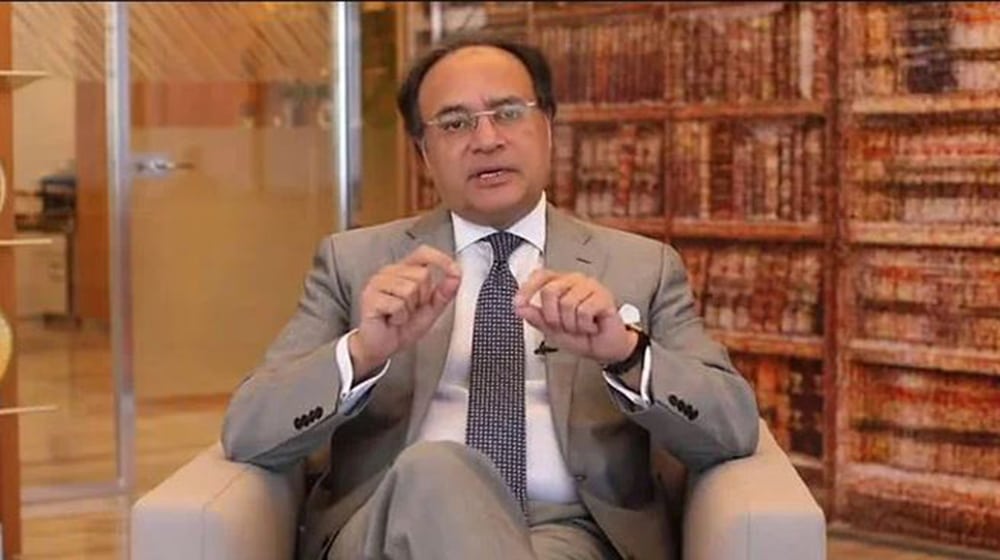
Pakistan is now focusing on sustainable and export-oriented growth following a period of economic stabilization. According to the finance minister, the country aims to strengthen its industrial base, enhance exports, and maintain fiscal discipline. This approach is expected to improve foreign reserves, trade balance, and overall economic resilience.
2. Economic Stability Achieved
The minister highlighted that Pakistan has successfully restored macroeconomic stability. Key indicators such as inflation rates, currency value, and fiscal deficit have shown improvement. The stabilization period involved prudent fiscal management, monetary discipline, and international support through loans and aid programs.
Stability has laid the groundwork for more long-term structural reforms and growth-focused initiatives. It also builds confidence among investors, businesses, and trading partners.
ALSO READ
Zarea Signs MoU with Telenor Pakistan to Digitize Agriculture Sector
3. Shift Towards Sustainable Growth
Sustainable growth emphasizes eco-friendly policies, renewable energy, and responsible resource use. The government plans to invest in sectors that not only generate revenue but also protect the environment and promote social development.
This strategy aligns with global trends where economies prioritize green growth and climate resilience. By integrating sustainability, Pakistan can attract international investment and improve competitiveness in global markets.
4. Export-Focused Strategy
Exports are a key driver of the government’s growth vision. Pakistan aims to diversify its export basket, targeting sectors such as textiles, agriculture, IT, and manufacturing.
The minister stated that policies will support export-oriented industries through tax incentives, streamlined regulations, and trade facilitation. Strengthening exports can help improve the balance of payments, increase foreign exchange reserves, and create jobs across various sectors.
5. Sectoral Priorities
Several sectors have been identified as priorities for sustainable and export-led growth.
- Textiles: Modernization and higher value-added products.
- Agriculture: Introducing technology, improving yields, and expanding international markets.
- Information Technology: Boosting software exports and IT services.
- Manufacturing: Supporting small and medium enterprises for industrial growth.
- Renewable Energy: Investments in solar, wind, and hydroelectric power.
These sectors can collectively strengthen the economy while maintaining a focus on sustainability.
6. Role of Government Policies
Government policies play a crucial role in achieving this vision. Key measures include:
- Fiscal Discipline: Controlling deficits while ensuring targeted development spending.
- Trade Facilitation: Simplifying export processes and reducing bureaucratic hurdles.
- Investment Incentives: Encouraging both domestic and foreign investments in priority sectors.
- Skill Development: Training programs to improve workforce capabilities in technology and manufacturing.
These measures aim to create an enabling environment for businesses and exporters.
The government is promoting export-focused growth through policies and incentives, according to the Ministry of Commerce Government of Pakistan.
7. Challenges and Opportunities
While the growth plan is ambitious, Pakistan faces challenges such as global economic uncertainties affecting trade and exports, energy shortages and infrastructure constraints, inflationary pressures on domestic markets, and the need for policy continuity and governance reforms.
However, there are significant opportunities, including rising global demand for textiles and IT services, potential for renewable energy projects, and access to regional and international trade agreements. By addressing these challenges, Pakistan can sustain long-term economic growth.
8. Future Outlook
The government envisions a resilient and competitive economy driven by exports and sustainable practices. Continued investment in infrastructure, technology, and human capital is expected to support growth.
Policymakers also aim to improve regional trade ties, tap into new markets, and enhance Pakistan’s position in global value chains. Over the next few years, export-focused strategies and sustainability initiatives are likely to become the cornerstone of economic planning.
9. Conclusion
Pakistan’s focus on sustainable and export-led growth marks a new phase in its economic development. Following stabilization, the country is taking steps to modernize industries, expand exports, and create jobs.
By aligning government policies, investing in key sectors, and fostering sustainability, Pakistan aims to achieve long-term economic resilience, increased foreign earnings, and improved standards of living. The minister emphasized that this approach will not only benefit businesses but also strengthen the national economy for future generations.