 by
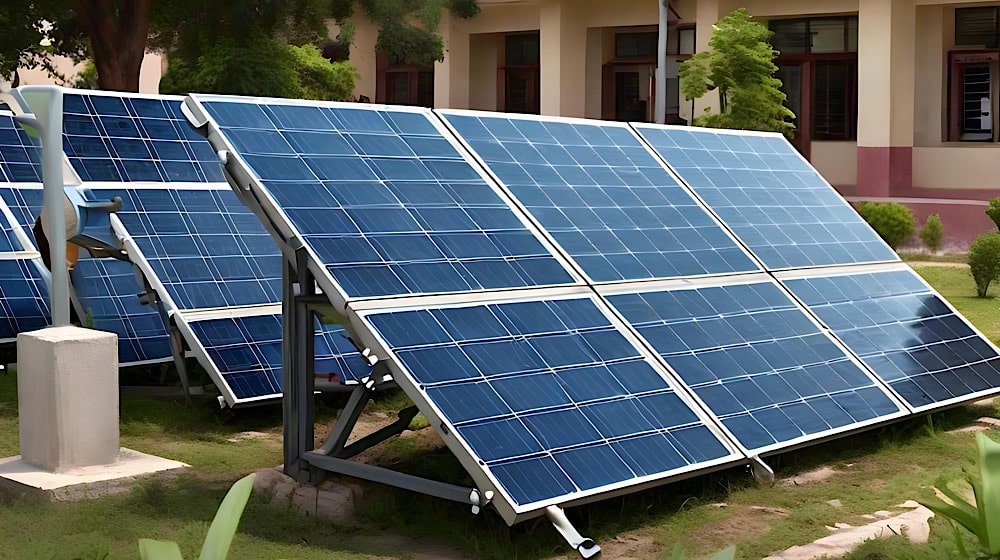
by Pakistan’s solar energy revolution continues to gain momentum despite a recent dip in monthly adoption figures. While data shows a decline in solar net-metering registrations over the past month, the bigger picture tells a story of unprecedented growth and a permanent shift in the country’s energy landscape. Solar energy is no longer a niche solution—it has become an essential part of Pakistan’s energy strategy, empowering households, businesses, and industries alike.
The Current Scenario: Understanding the Monthly Drop
Recent statistics reveal a temporary decline in net-metering registrations, creating a perception that solar adoption may be slowing. However, experts emphasize that short-term fluctuations are normal in a rapidly evolving sector. The slowdown is largely attributed to seasonal variations, minor policy adjustments, and temporary market hesitations.
Despite this minor dip, the cumulative number of solar installations continues to rise sharply, reflecting long-term confidence in solar as a reliable and cost-effective energy solution. The month-to-month variation does not diminish the fact that solar adoption is moving forward at an unprecedented pace.
Why Solar Adoption Is Surging in Pakistan
The growth of solar energy in Pakistan is driven by multiple factors, combining economic pressures, environmental awareness, and technological advancements.
1. Rising Electricity Costs
The consistent increase in electricity tariffs has forced consumers and businesses to explore alternative energy solutions. Solar panels provide a long-term solution, allowing households and industries to significantly reduce energy bills and secure predictable costs. For many, switching to solar is not just an eco-friendly choice—it is an economic necessity.
2. Affordable Technology and Increased Availability
Solar technology has become more affordable and accessible than ever before. Import costs have decreased, and installation services have expanded across cities and rural areas alike. The increased availability of high-quality solar panels has made it easier for ordinary households to adopt clean energy.
ALSO READ
SECP Makes Registration Mandatory for All Research Analysts
3. Independent Energy Security
Frequent power outages and load shedding have highlighted the need for energy independence. Solar energy provides users with uninterrupted electricity, especially during peak consumption hours, offering a sense of security and reliability.
4. Environmental Awareness
With climate change and pollution becoming pressing global concerns, more people are choosing solar as a sustainable and environmentally friendly option. Solar energy produces zero emissions and reduces reliance on fossil fuels, contributing to cleaner air and a greener future.
Economic and Social Impact of Solar Growth
The solar boom is not just transforming energy usage—it is reshaping the economy and society in profound ways.
Reduced Dependence on the National Grid
As more consumers generate their own electricity, the national grid experiences less strain. This reduces peak load pressure and helps prevent blackouts, contributing to a more stable and efficient energy system.
Boosting Business Productivity
Businesses, industries, and farms are increasingly turning to solar energy to cut costs. Rooftop solar installations and solar-powered machinery allow companies to operate without the financial burden of high electricity bills, improving overall profitability and productivity.
Job Creation
The solar sector has created thousands of direct and indirect jobs in installation, maintenance, and sales. As the industry expands, employment opportunities continue to grow, especially for skilled technicians and engineers.
Challenges Facing Solar Adoption
While the outlook is overwhelmingly positive, there are still challenges that need to be addressed to ensure sustainable growth.
Policy and Regulatory Uncertainty
Frequent changes in regulations or net-metering policies can create temporary hesitation among consumers and investors. Consistent and supportive government policies are crucial for long-term stability.
Financial Accessibility
Although solar costs have declined, upfront investment remains a barrier for lower-income households. Expanding financing options, subsidies, and micro-loans can help bridge this gap and encourage broader adoption.
Infrastructure and Maintenance
Ensuring reliable installation services and ongoing maintenance is essential to keep solar systems efficient and sustainable. Awareness campaigns and technical training programs can help maintain high-quality service standards.
Official NEPRA Guidelines on Solar Net-Metering: https://www.nepra.org.pk/
The Road Ahead: Solar’s Bright Future
The recent dip in monthly net-metering registrations does not diminish the long-term growth trajectory of solar energy in Pakistan. In fact, it highlights the resilience of the market and the rational behavior of consumers responding to temporary market conditions.
With energy prices continuing to rise, technology becoming more affordable, and environmental awareness growing, solar adoption is expected to accelerate even further. Households, businesses, and industries are increasingly seeing solar energy as an essential investment rather than a luxury, signaling a permanent shift toward sustainable and independent energy production.
Pakistan is entering an era where solar energy is not just an alternative—it is a central part of the nation’s energy strategy. The combination of economic necessity, environmental responsibility, and technological accessibility ensures that solar energy will continue to thrive, transforming the country’s energy landscape for decades to come.
Conclusion:
Even with a minor monthly slowdown, solar adoption in Pakistan is stronger than ever. Driven by economic pressures, environmental goals, and technological advancements, the solar revolution is reshaping energy consumption patterns across the country. The future is bright, and Pakistan’s solar journey is far from over—it is only accelerating.