 by
by Table of Contents
- Introduction
- Background of Free Treatment Programmes in KP
- The Crisis at Peshawar Institute of Cardiology
- Impact on Patients and Public Health
- Government and Hospital Responses
- What Needs to Be Done
- Conclusion
1. Introduction
A major government hospital in Peshawar has suspended free medical treatment under the provincial health card scheme. The decision has triggered public concern and frustration, as thousands of patients depend on government-funded healthcare for critical medical procedures.
This suspension highlights the financial stress and administrative challenges currently faced by Khyber Pakhtunkhwa’s healthcare sector. It raises questions about the sustainability of welfare health schemes that rely on continuous government funding.
2. Background of Free Treatment Programmes in KP
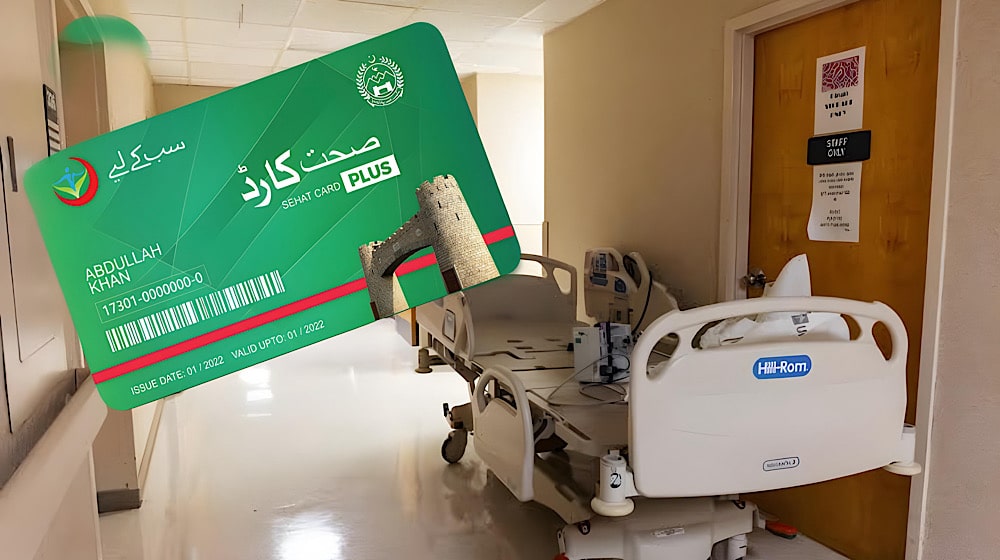
Khyber Pakhtunkhwa introduced the health card programme to provide free medical services to every citizen of the province. The initiative was designed to ensure that no one would be denied healthcare due to financial limitations.
Under this programme, patients could receive free treatment in both government and private hospitals. It was a landmark effort to promote healthcare equity and accessibility.
However, the entire system depends on a steady financial flow from the government to insurance companies and then to hospitals. Any delay in these payments directly affects hospital operations and patient care.
ALSO READ
PAMI Appeals for 5 Key Reforms in Medical Education Governance to Empower Institutions
3. The Crisis at Peshawar Institute of Cardiology
The Peshawar Institute of Cardiology, one of the most advanced hospitals in the province, has been at the centre of the crisis. The hospital administration announced that it could no longer offer free treatment under the health card scheme due to unpaid dues.
These unpaid bills have accumulated to a significant amount, leaving the hospital unable to sustain daily operations. Essential medical supplies, maintenance costs, and staff salaries have all been affected.
The management stated that repeated reminders were sent to the concerned authorities, but payments were delayed for months. As a result, the hospital had no choice but to suspend free services until funds are released.
This development has particularly affected cardiac patients who depend on the institute for surgeries and long-term care.
4. Impact on Patients and Public Health
The suspension of free healthcare services has created immense difficulties for patients across the province. For many low-income families, private treatment is financially out of reach.
Patients who were undergoing treatment for heart diseases have been forced to postpone surgeries, causing deterioration in their health. Families who once relied on the health card now face large out-of-pocket expenses.
For more information on the health card programme and hospital services in Khyber Pakhtunkhwa, you can visit the official Health Department of Khyber Pakhtunkhwa website.
This disruption also puts pressure on other public hospitals in the province, which may not have the capacity or resources to handle the increased patient load. It has highlighted the vulnerability of the healthcare safety net in Khyber Pakhtunkhwa.
The situation is not only a financial issue but also a humanitarian one, as it risks the lives of those who cannot afford timely medical intervention.
5. Government and Hospital Responses
The hospital administration has explained that despite working for months without payment, the situation became unsustainable. It appealed to the provincial government to clear outstanding dues immediately.
In response, government officials acknowledged the financial backlog and assured that payments would soon be processed. They emphasized that restoring health card services is a top priority, but admitted that budget constraints have delayed disbursements.
Similar issues have been reported in other hospitals across the province, showing that the problem is systemic rather than isolated. It reflects broader financial and administrative inefficiencies within the healthcare system.
Hospital staff and healthcare unions have urged the government to create a permanent financial structure that prevents such disruptions in the future.
6. What Needs to Be Done
To resolve the current crisis and protect the future of healthcare delivery in Khyber Pakhtunkhwa, several steps are necessary.
First, the government must ensure timely release of funds to hospitals and insurance providers to prevent service interruptions. Second, there should be greater transparency in financial management to ensure that funds are distributed efficiently and accountably.
Third, hospitals should be allowed to maintain emergency reserves to continue critical services during funding delays. Fourth, coordination among government departments, insurance companies, and hospitals must be strengthened to improve communication and avoid mismanagement.
ALSO READ
Master MoltyFoam Launches Sleep Solutions in Dubai
Finally, policymakers should reassess the design of the health card programme to ensure that it remains financially viable and sustainable in the long term.
7. Conclusion
The suspension of free medical treatment by a major hospital in Peshawar is a warning sign for the entire healthcare system in Khyber Pakhtunkhwa. It shows that even well-intentioned welfare schemes can fail if not backed by strong financial planning and consistent government commitment.
For thousands of patients, especially those with life-threatening conditions, such service disruptions can have devastating consequences. The situation demands urgent attention from authorities to restore confidence and stability in public healthcare.
The health card programme remains a vital initiative for public welfare, but it must be supported by efficient administration, reliable funding, and transparent operations. Sustainable healthcare reform is the only way to ensure that every citizen continues to have access to free and quality medical care without fear of interruption.