 by
by Table of Contents
- Introduction: A New Era of Diplomatic Energy
- The Numbers Behind the Record
- Key Destinations and Strategic Focus
- What Drives This Diplomatic Push
- Critiques and Public Concerns
- Implications for Pakistan’s Future
- Conclusion
1. Introduction: A New Era of Diplomatic Energy
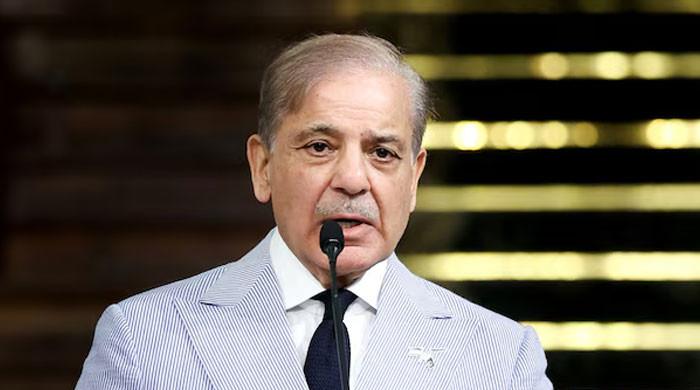
Prime Minister Shehbaz Sharif has set a remarkable milestone in Pakistan’s diplomatic history, averaging one powerful foreign visit every 30 days. Since assuming office, he has demonstrated a tireless commitment to strengthening Pakistan’s global partnerships, reviving economic ties, and restoring the country’s international image.
In less than two years, he has conducted over 30 high-level visits to key nations across Asia, the Middle East, Europe, and North America. This consistent engagement represents a clear shift toward a proactive and globally connected Pakistan — one focused on diplomacy, trade, and development rather than isolation or stagnation.
2. The Numbers Behind the Record
Between March 2024 and October 2025, Prime Minister Shehbaz completed around 34 official foreign trips. On average, this translates to more than one visit per month — the most active foreign policy schedule ever undertaken by a Pakistani leader.
His itinerary covered a wide geographical spectrum. Saudi Arabia topped the list with multiple visits, followed by China, the United States, and a range of regional allies, including Iran, Türkiye, and Azerbaijan.
This pace highlights not only diplomatic enthusiasm but also a strategic sense of urgency. Each trip was carefully planned to attract investment, build alliances, and position Pakistan as a constructive player in the global arena.
3. Key Destinations and Strategic Focus
a) Strengthening Ties with Saudi Arabia
Saudi Arabia has long been one of Pakistan’s closest partners, and the prime minister’s frequent visits reflect that reality. His meetings with the Saudi leadership focused on expanding energy cooperation, increasing investment, and creating job opportunities for Pakistani workers in the Kingdom.
The two countries discussed major infrastructure and energy projects designed to enhance Pakistan’s economic resilience. These engagements also helped secure additional financial support and long-term collaboration in the areas of trade and defense.
b) Deepening Cooperation with China
China remains a cornerstone of Pakistan’s foreign policy. During multiple visits to Beijing, Prime Minister Shehbaz worked to advance the next phase of the China–Pakistan Economic Corridor (CPEC). Discussions centered on industrial development, renewable energy, and technology exchange.
“Over the past 20 months, Prime Minister Shehbaz Sharif has conducted numerous high-level foreign visits to strengthen Pakistan’s international relations. The Ministry of Foreign Affairs provides official updates on these diplomatic activities (visit website)
The visits underscored Pakistan’s commitment to deepening economic integration with China while ensuring that CPEC evolves from infrastructure-focused investments to long-term industrial and digital growth.
c) Reengagement with the United States and the West
Pakistan’s relationship with the United States has seen both cooperation and tension over the years. The prime minister’s recent visits to Washington marked a new phase of engagement focused on climate change, trade, and counter-terrorism.
He used these opportunities to highlight Pakistan’s economic reforms and advocate for renewed American investment. The outreach also aimed to restore confidence and ensure Pakistan’s continued relevance in Western policymaking circles.
d) Building Regional Bridges
Beyond global powers, regional diplomacy has become a central part of Shehbaz Sharif’s foreign policy. His visits to Iran, Türkiye, Azerbaijan, and Central Asian nations promoted regional trade, energy cooperation, and cross-border connectivity.
By encouraging collaboration on transport corridors and electricity grids, Pakistan is positioning itself as a bridge between South Asia, the Middle East, and Central Asia. These efforts reflect a broader goal: transforming geography into opportunity.
4. What Drives This Diplomatic Push
Several factors explain the prime minister’s aggressive diplomatic outreach.
Economic Urgency
Pakistan’s economic challenges — high inflation, debt, and limited foreign reserves — have made external engagement essential. The foreign visits are part of a deliberate strategy to attract investment, secure loans, and expand exports. Diplomacy has become an instrument of economic recovery.
ALSO RAED
Strategic Realignment
Global geopolitics are shifting rapidly. Pakistan seeks to reduce its overdependence on any one power and adopt a more balanced foreign policy. Engaging simultaneously with China, the U.S., the Gulf, and Central Asia allows Islamabad to diversify its partnerships and maximize national interests.
Image and Visibility
Frequent international engagement projects Pakistan as active, responsible, and relevant. It helps counter negative perceptions and strengthens confidence among investors and global partners. Domestically, it demonstrates leadership drive and a commitment to representing Pakistan globally.
5. Critiques and Public Concerns
Despite praise for his active diplomacy, not everyone views the prime minister’s travel record favorably. Critics argue that while foreign visits are important, the government must balance them with strong domestic performance.
Some opposition voices have labeled the frequency of trips as “excessive,” questioning the tangible benefits and financial costs involved. They demand clearer evidence of how these visits translate into improved living conditions, investments, or economic growth at home.
Analysts also caution that overemphasis on external optics may risk overshadowing domestic reforms. The government’s challenge is to ensure that the momentum abroad directly benefits citizens within Pakistan.
6. Implications for Pakistan’s Future
The long-term effects of this diplomatic surge could be profound if managed effectively.
Economic Revitalization
Active diplomacy opens doors for foreign direct investment, trade agreements, and energy projects. If implemented successfully, these initiatives can stimulate economic growth, generate employment, and stabilize Pakistan’s financial outlook.
Regional Integration
Strengthened ties with neighboring countries and Central Asia position Pakistan as a crucial link in emerging energy and trade routes. Regional cooperation also enhances security and mutual economic resilience.
Balanced Global Relations
Maintaining equilibrium between China and the U.S., while deepening ties with Gulf states and regional allies, reflects a mature and pragmatic foreign policy approach. This balance provides Pakistan with greater strategic flexibility on global issues.
National Confidence
The visible diplomatic activity reinforces the perception of Pakistan as a forward-looking nation ready to engage the world. Such perception, when matched by real progress, can inspire public confidence and attract international respect.
7. Conclusion
Prime Minister Shehbaz Sharif’s achievement of averaging one major foreign visit every 30 days marks a defining chapter in Pakistan’s modern diplomacy. The approach demonstrates vision, energy, and a determination to reposition Pakistan on the global stage.
However, the true measure of success will not be counted by the number of trips but by their outcomes — investments secured, trade expanded, and opportunities created for the people of Pakistan.
If this diplomatic momentum leads to tangible progress, it will stand as one of the most effective foreign policy eras in the country’s history — transforming frequent travel into lasting national gain.