 by
by Table of Contents
- Introduction
- Overview of the New Policy
- Who Is Affected
- Impact on Foreign Medical Graduates
- Reactions and Criticism
- The Way Forward
- Conclusion
1. Introduction
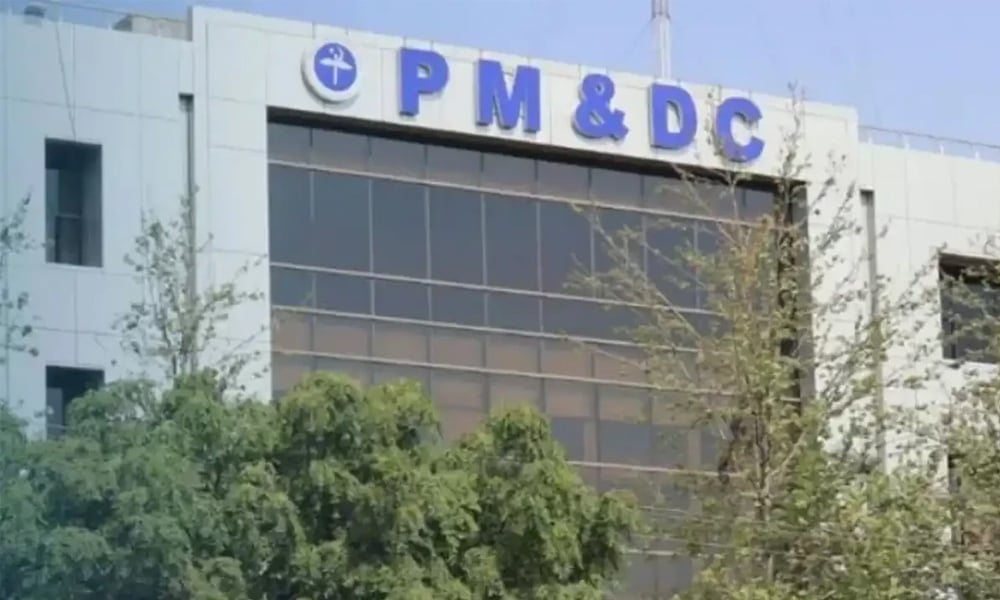
The Pakistan Medical and Dental Council (PMDC) has recently announced new regulations governing the eligibility of foreign medical graduates (FMGs) for registration and licensing in Pakistan.
While the intention behind the policy is to raise standards and ensure patient safety, its sudden implementation has left thousands of foreign-trained Pakistani doctors in confusion. Students who completed their MBBS from abroad are now uncertain about their professional future in Pakistan.
The change has created anxiety among graduates who had already returned home, as well as those still studying overseas under the assumption that their institutions were recognised by the PMDC.
2. Overview of the New Policy
Under the revised PMDC framework, only graduates from PMDC-recognised foreign universities are eligible for provisional registration to start their mandatory one-year house job in Pakistan.
Graduates from institutions not included on the recognition list must now pass the National Registration Examination (NRE) before being considered for provisional registration.
Previously, students from certain foreign universities—especially in countries like China, Russia, Kyrgyzstan, Kazakhstan, and Eastern Europe—could obtain provisional registration without an additional exam. The new policy has effectively tightened that pathway, applying stricter criteria for recognition and verification of foreign medical degrees.
For more details, visit the official Pakistan Medical and Dental Council (PMDC) website.
PMDC officials claim that this measure aims to ensure quality and patient safety by allowing only competent, properly trained doctors to enter clinical practice.
3. Who Is Affected
A. Returning Foreign Medical Graduates
Thousands of Pakistani students who pursued medical degrees abroad—primarily in low-cost destinations such as China, Kyrgyzstan, and Russia—are directly impacted.
Many of these graduates have returned home only to find that their universities are no longer on the approved list. As a result, their applications for provisional registration have been delayed or rejected.
B. Students Still Abroad
Students currently studying in affected universities face uncertainty about their degrees’ future recognition. Some enrolled years ago when their institutions were accepted by the PMDC but may now find themselves ineligible for licensing after graduation.
C. Graduates Awaiting Registration
Even those whose institutions remain recognised report delays in registration processing. Several FMGs say they were told of “technical issues” with the online registration portal, preventing them from applying for house jobs on time.
4. Impact on Foreign Medical Graduates
Delay and Uncertainty
The abrupt implementation of the policy has disrupted the career timelines of many graduates. House job slots are limited and time-sensitive, and missing a registration window means a year-long delay in gaining the required experience.
Financial Strain
Families have invested millions of rupees for foreign medical education, often believing that their children would easily transition into practice in Pakistan. Now, many fear those investments might go to waste if additional exams or revalidation processes are required.
Emotional and Professional Stress
Graduates describe feeling betrayed and demoralised. They argue that it is unfair for rules to change after they have already completed their degrees based on earlier policies. The uncertainty has caused distress among families who had pinned their hopes on a stable medical career for their children.
Systemic Impact
Hospitals also face challenges. With FMGs unable to start house jobs on time, there is a shortage of junior doctors in some public facilities. The policy shift may inadvertently create temporary gaps in healthcare staffing, especially in smaller districts.
5. Reactions and Criticism
From Graduates
Foreign medical graduates have expressed frustration over what they see as inconsistent and retroactive policymaking. Many have staged peaceful protests and submitted petitions demanding clarity and transitional relief for affected batches.
Graduates argue that if their universities were previously recognised, they should not suddenly be deemed ineligible. They also highlight communication lapses—claiming the PMDC failed to publicly announce changes or update recognition lists before the decision took effect.
From PMDC Officials
The PMDC defends the move as a necessary reform aligned with international medical standards. According to council representatives, the goal is not to target students but to ensure only competent and well-trained doctors practice medicine in Pakistan.
Officials point out that other countries also require foreign-trained doctors to clear licensing exams. They maintain that the NRE is designed to uphold uniform standards across all medical practitioners.
Criticism from Education Experts
Several policy experts, however, question the timing and transparency of the change. They argue that reforms must be implemented gradually and communicated clearly to avoid penalising students who made decisions in good faith.
Legal analysts also suggest that graduates could challenge the policy in court, citing a lack of due notice and potential violation of fairness principles.
6. The Way Forward
For affected graduates, the immediate step is to verify whether their alma mater is still on the PMDC’s recognised list. Those whose universities have been delisted must prepare for the National Registration Examination.
FMGs are encouraged to remain proactive—tracking updates, contacting the PMDC for clarification, and seeking support from advocacy groups.
ALSO READ
Scientists Reveal Impact of Different Antidepressants on Weight Heart Rate and Blood Pressure
On the regulatory side, the PMDC can ease tensions by publishing a clear, regularly updated list of recognised institutions, improving portal functionality, and offering transitional arrangements for students who enrolled before the new rules took effect.
Transparency, consistency, and proper communication will be key to restoring trust between the regulator and the medical community.
7. Conclusion
The PMDC’s policy shift marks a turning point in how Pakistan handles foreign medical qualifications. While the council’s commitment to maintaining medical standards is commendable, the sudden execution has created widespread confusion and hardship.
For now, foreign medical graduates face an uncertain future—caught between evolving regulations and the desire to serve their home country’s healthcare system. The situation calls for balance: protecting public health without compromising the careers of deserving doctors.
A transparent, transitional approach would not only uphold quality but also ensure fairness for thousands of Pakistani students who pursued their dreams of becoming doctors abroad.