by
by Table of Contents
- Introduction
- What is Potato Salad?
- Nutritional Value of Potato Salad
- Health Benefits
- Effects on Mental and Physical Wellness
- Potato Salad Diet Chart
- Calories Burned
- Potential Disadvantages
- Conclusion
1. Introduction
Potato salad is a beloved dish enjoyed worldwide. Often served as a side, it combines boiled potatoes, vegetables, and a dressing like yogurt, mustard, or low-fat mayonnaise. When prepared thoughtfully, it can be both flavorful and nutritious.
2. What is Potato Salad?
Potato salad is versatile, with many variations. Common ingredients include:
- Boiled potatoes
- Vegetables such as carrots, peas, celery, and onions
- Herbs like parsley or dill
- Dressing options such as yogurt, olive oil, or mustard
- Optional items like boiled eggs or pickles
The overall nutrition depends on portion size and the type of dressing used.
ASLO READ
Egg Corn Soup A Delicious and Nutritious Comfort Food for Health and Wellness
3. Nutritional Value of Potato Salad
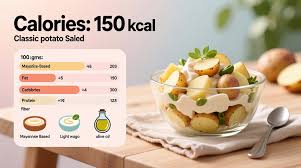
A typical 200g serving of potato salad contains:
| Nutrient | Amount per 200g |
|---|---|
| Calories | 350 kcal |
| Carbohydrates | 35 g |
| Protein | 6 g |
| Fat | 20 g |
| Fiber | 4 g |
| Vitamin C | 25 mg |
| Potassium | 800 mg |
| Sodium | 400 mg |
Using low-fat dressings or yogurt reduces fat and calorie content while keeping it nutritious.
4. Health Benefits

4.1 Energy Booster
Potatoes are rich in complex carbohydrates, providing sustained energy throughout the day.
4.2 Digestive Health
Dietary fiber in potatoes and vegetables supports healthy digestion and prevents constipation.
4.3 Heart Health
Potassium and fiber help regulate blood pressure, and healthy dressings like olive oil promote cardiovascular wellness.
4.4 Immune Support
Vitamin C strengthens the immune system and improves the body’s ability to fight infections.
5. Effects on Mental and Physical Wellness
5.1 Mental Wellness
Complex carbohydrates aid serotonin production, enhancing mood and reducing stress.
5.2 Physical Wellness
Balanced nutrients in potato salad, including protein and healthy fats, support muscle recovery, energy replenishment, and overall physical performance.
6. Potato Salad Diet Chart
A sample diet plan including potato salad:
| Meal | Food Items |
|---|---|
| Breakfast | Oatmeal with fruits and green tea |
| Mid-Morning | Fresh fruits or nuts |
| Lunch | Grilled chicken + 150g potato salad + steamed vegetables |
| Afternoon Snack | Yogurt or protein smoothie |
| Dinner | Baked fish + small portion of potato salad + salad |
| Evening | Herbal tea |
Portion control and low-fat dressings help maintain calorie balance.
7. Calories Burned
A 200g serving contains ~350 kcal. Approximate calories burned by different activities:
| Activity | Duration to Burn 350 kcal |
|---|---|
| Walking (5 km/h) | 60 minutes |
| Jogging (8 km/h) | 30 minutes |
| Cycling (15 km/h) | 35 minutes |
| Yoga or light exercise | 60–70 minutes |
8. Potential Disadvantages
- High Calories & Fat: Especially with mayonnaise-based dressings
- Risk of Weight Gain: Overeating may cause excess calorie intake
- High Sodium: Commercial dressings or pickles may increase sodium
- Blood Sugar Impact: High carbohydrate content may affect diabetics
Using yogurt or olive oil and adding more vegetables reduces risks.
9. Conclusion
Potato salad is nutritious, versatile, and can support mental and physical wellness. Choosing healthy dressings, controlling portion sizes, and adding vegetables maximize its benefits while minimizing potential drawbacks. Consumed mindfully, potato salad can be a delicious and healthful addition to any balanced diet.