 by
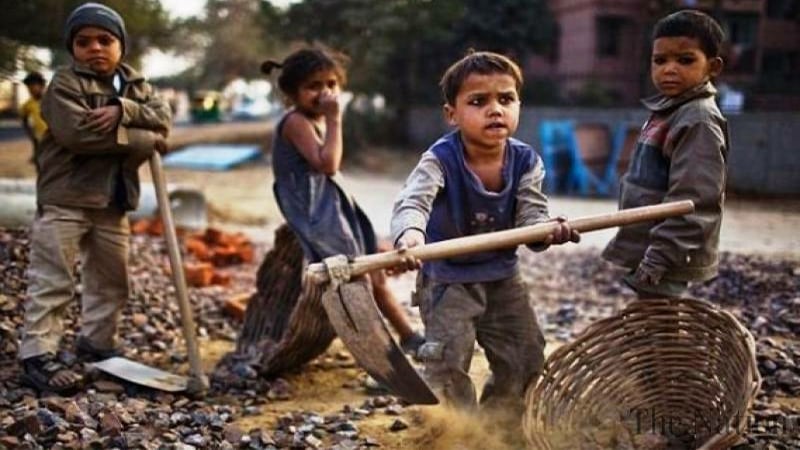
by Punjab has recently taken a bold step toward improving child welfare by introducing significant legal updates aimed at protecting vulnerable children across the province. Punjab announces 5 powerful reforms to Destitute and Neglected Children Act for stronger child protection, focusing on modernizing outdated provisions, enhancing institutional accountability, and giving courts more flexibility to impose stricter penalties. These reforms are part of a broader strategy to ensure every child in the province is safeguarded from neglect, abuse, and exploitation.
Table of Contents
- Introduction
- Background of the 2004 Act
- Why the Amendments Are Needed
- Key Changes Proposed in the 2025 Bill
- Expected Impact on Child Protection
- Institutional and Legal Implications
- Opportunities and Challenges
- Conclusion
1. Introduction
The Government of Punjab is moving forward with significant amendments to the Punjab Destitute and Neglected Children Act, 2004, in a bid to modernize child protection laws and strengthen institutional accountability.
The proposed Amendment Bill 2025 has been approved by the provincial cabinet and forwarded by the Standing Committee on Home Affairs for legislation. These changes align with Punjab’s recently approved Child Protection Policy, a landmark move aiming to bridge policy with legal enforcement.
2. Background of the 2004 Act
The original 2004 Act was introduced to safeguard children deemed “destitute and neglected.” It established legal frameworks for:
- Rescue operations
- Protective custody and rehabilitation
- Institutional care through designated child welfare bureaus
- Child Protection Courts for swift legal proceedings
It defined a “destitute or neglected child” as one who is abandoned, exploited, forced into begging, or living in unsafe conditions such as with sex workers or unfit guardians.
Despite its intentions, the Act was often criticized for limited enforcement, institutional inefficiencies, and insufficient protection in real-world settings.
These efforts are part of a broader strategy supported by provincial agencies, including initiatives outlined on the official Child Protection section of the Punjab Government website ,which details ongoing programs and reforms.
3. Why the Amendments Are Needed
Child protection stakeholders—including legal experts, civil society, and international agencies—have long pointed out serious gaps in the enforcement of the 2004 law.
Key challenges included:
- Outdated language and weak penalties
- Ambiguities in legal definitions
- Limited discretion for judges
- Low accountability within institutions
- Inadequate monitoring and reporting systems
With growing awareness about child abuse, trafficking, and institutional neglect, it became clear that the existing legal structure no longer reflects current realities.
4. Key Changes Proposed in the 2025 Bill
Amendment of Specific Sections
The bill proposes modifications to the following sections of the 2004 Act:
Sections 6, 34, 36, 36-A, 36-B, 37, and 38.
ALSO READ
Faysal Bank and EFU Life Launch Innovative Takaful Solutions
Language Revision
One of the most subtle yet impactful changes is the replacement of the word “and” with “or,” along with the addition of the phrase “or with both.” This change allows courts to:
- Impose both imprisonment and fine together
- Exercise greater discretion in deciding punishment
Removal of Obsolete Sub-clauses
Sub-clause 4 of Section 6 will be removed, and new provisions will be inserted to better reflect current needs and legal interpretations.
Institutional Strengthening
The amendment emphasizes better performance monitoring of child protection institutions and stricter accountability mechanisms to reduce abuse, neglect, and corruption.
Enhanced Legal Clarity
By refining the law’s language, the bill aims to speed up judicial processes and eliminate legal loopholes that have previously delayed justice.
5. Expected Impact on Child Protection
For Vulnerable Children
- Expanded Legal Coverage: More at-risk children will qualify for rescue and protection.
- Quicker Legal Relief: Children in unsafe conditions can be helped faster through courts.
- Improved Living Conditions: Institutions will be held to higher standards of care.
For Child Protection Institutions
- Higher Accountability: Staff and management will face closer inspection and performance evaluation.
- Clearer Legal Duties: Institutions will be bound to implement defined procedures and standards.
- Better Resource Utilization: Defined roles and oversight will reduce inefficiencies.
For Law Enforcement and Judiciary
- Increased Judicial Flexibility: Courts can assign mixed penalties based on case severity.
- Improved Case Handling: More precise definitions assist in filing and prosecuting cases.
- Alignment with Child Protection Policy: Enforcement of policy goals becomes legally binding.
6. Institutional and Legal Implications
The amendment enhances the role of Child Protection & Welfare Bureaus by providing clearer mandates. It also strengthens the Child Protection Courts with better tools to make decisions on custody, transfers, and institutional placements.
ALSO RAED
foodpanda Rider Welfare and Development Program Boosts Lives with Free Bikes and Skill Training
A major implication is that inter-agency coordination must improve. Effective child protection involves:
- Social welfare departments
- Police and rescue teams
- Judiciary
- Educational and rehabilitation institutions
These reforms demand not just legal changes but operational transformation across departments.
7. Opportunities and Challenges
✅ Opportunities
- Holistic Framework: The law now supports both rescue and long-term rehabilitation.
- Global Standards: The amendments bring Punjab’s legal structure closer to international child protection laws.
- Stronger Deterrents: Exploiters, traffickers, and abusive guardians face stricter punishment.
- Public Trust: A more transparent system encourages public support and reporting.
⚠️ Challenges
- Implementation Capacity: Without skilled staff and training, new laws may not deliver.
- Funding Gaps: Institutional upgrades and court processes require proper financing.
- Data and Monitoring: Tracking outcomes will require new systems and real-time data.
- Resistance to Change: Some institutions may resist oversight or reforms, slowing progress.
8. Conclusion
The proposed amendments to the Punjab Destitute and Neglected Children Act represent a critical shift in how child welfare is approached legally and institutionally. By modernizing the law, increasing judicial flexibility, and enhancing oversight, Punjab is taking a strong step forward.
However, laws alone are not enough. Their success depends on serious commitment, budget allocation, training, and inter-agency collaboration. If implemented effectively, these reforms can offer hope to thousands of vulnerable children across Punjab, giving them not only protection—but a path to a better future.