 by
by
Table of Contents
- Introduction
- The Current Scenario
- Why the Rupee Is Barely Moving
- Factors Behind the Slow Momentum
- Impact on Trade and Economy
- Investor and Policy Perspective
- Future Outlook
- Conclusion
Introduction
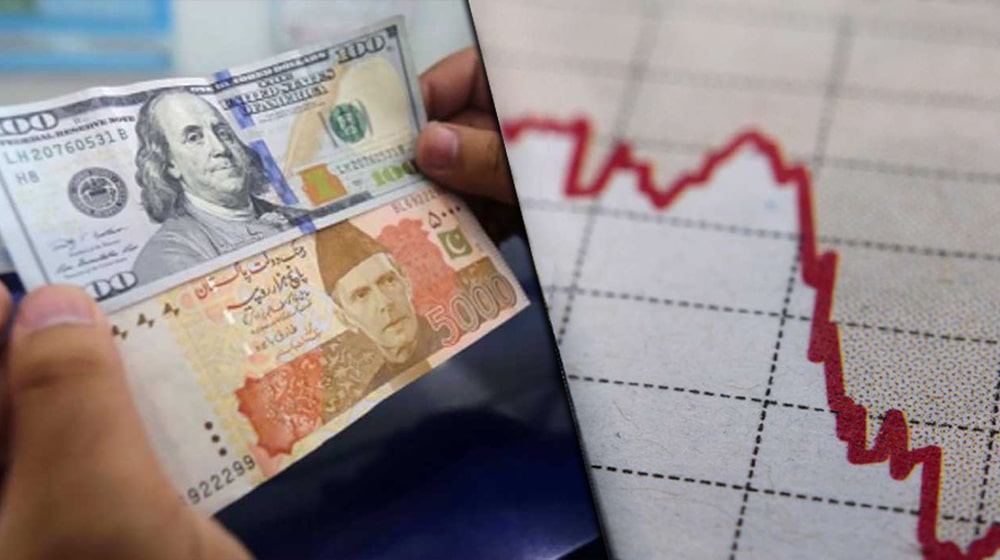
The rupee has extended its streak of small gains against the US dollar for the 35th consecutive day, yet the movement remains weak and uninspiring. Although technically “up,” the change in value is so small that it hardly impacts the broader market sentiment.
This prolonged yet sluggish upward trend highlights a phase of cautious stability rather than strength. The rupee’s performance reflects underlying economic realities — from global monetary trends to domestic financial constraints — that continue to limit its momentum.
The Current Scenario
In recent trading sessions, the rupee has shown micro-level improvement, appreciating slightly each day for over a month. Despite this long streak, the pace of appreciation has slowed drastically.
Currency traders describe the market as “sideways,” meaning that although the rupee is not falling, it also lacks the strength for a meaningful rebound. Each session ends with only fractional movement, often just a few paisas higher or flat compared to the previous day.
The rupee currently trades close to its earlier lows, and while it has managed to avoid another sharp decline, it hasn’t regained much ground either. The ongoing pattern suggests that stability, rather than growth, is the immediate goal.
Why the Rupee Is Barely Moving
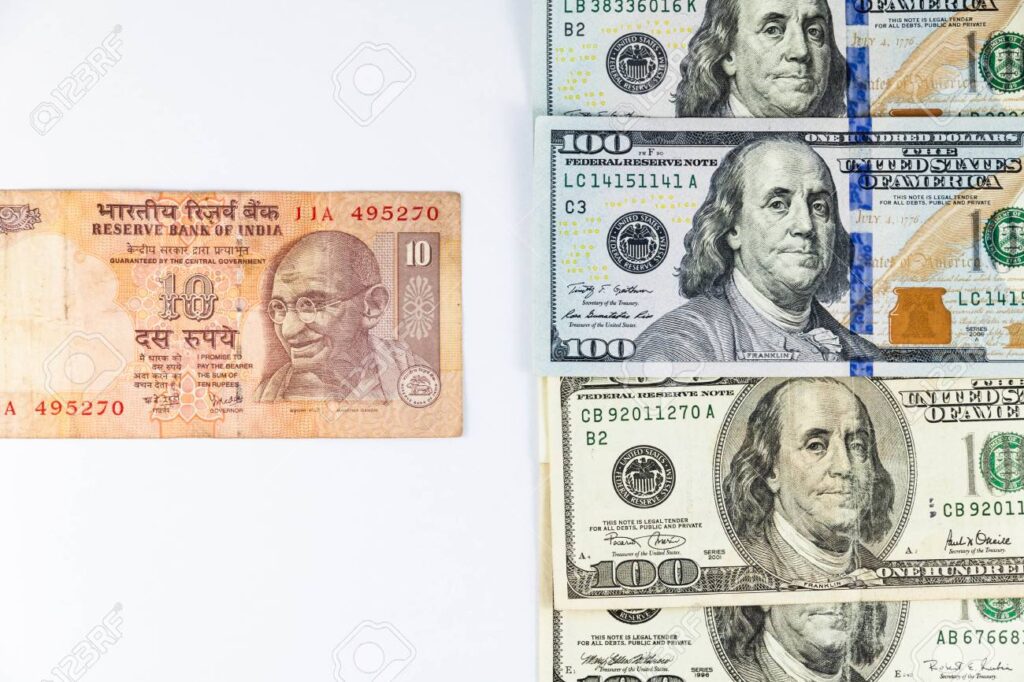
The main reason the rupee’s momentum has slowed lies in the balance between domestic demand for dollars and foreign supply. Importers continue to purchase large amounts of dollars to meet payment obligations, keeping the pressure on the local currency.
Meanwhile, exporters — who normally sell their dollar earnings — have been holding back in anticipation of more favorable rates. This mismatch keeps the rupee from gaining strongly.
ALSO READ
BankIslami Awards 2024 Inspiring Success and Leadership in Islamic Banking
Additionally, the global environment remains uncertain. The US dollar has not weakened enough to give emerging market currencies a major boost. Central banks worldwide are still adjusting interest rate policies, leaving currencies like the rupee caught between caution and correction.
Factors Behind the Slow Momentum
1. Global Dollar Strength
The US dollar continues to attract investors due to relatively high interest rates and economic resilience. When the dollar stays strong globally, currencies such as the rupee find it difficult to appreciate significantly.
2. Domestic Trade Balance
India’s trade deficit remains a structural challenge. The country imports more than it exports, especially in areas like oil, electronics, and industrial materials. The higher import bill means consistent demand for dollars, limiting rupee appreciation.
3. Central Bank Intervention
The Reserve Bank has been active in maintaining currency stability. By intervening periodically, it prevents sharp volatility but also restricts large upward movements. The focus is on maintaining order rather than allowing uncontrolled appreciation.
4. Investor Sentiment
Foreign investors remain cautious. While India’s growth prospects are strong, global uncertainty around interest rates, inflation, and geopolitical tensions keeps foreign inflows uneven. Limited capital inflow means reduced support for the rupee.
5. Exporter and Importer Hedging Gap
Exporters are not aggressively hedging their positions, while importers are locking in rates to protect themselves from future weakness. This imbalance results in sustained demand for dollars, keeping the rupee’s rise limited.
Impact on Trade and Economy
For official financial updates, visit the Ministry of Finance, Government of India.
1. Import Costs and Inflation
A flat or weak rupee makes imports more expensive. This can push up the prices of key goods such as oil, machinery, and raw materials. Over time, these costs can filter into consumer inflation, putting pressure on households and businesses alike.
2. Export Competitiveness
A weaker rupee usually helps exporters by making their products cheaper abroad. However, since the current movement is minimal, exporters gain little advantage. The rupee’s mild appreciation does not significantly change India’s trade competitiveness.
3. Business Planning and Pricing
Uncertain currency trends complicate financial planning for importers and exporters. Companies prefer predictable rates to plan budgets and contracts. The rupee’s tiny fluctuations make the outlook unclear, even if not outright negative.
Investor and Policy Perspective
From an investor’s standpoint, the rupee’s extended streak of small gains suggests market resilience, but not strength. The lack of strong movement indicates investors are waiting for clearer global cues — especially from major economies like the US and China.
For policymakers, maintaining this balance is delicate. A stable rupee supports inflation control but can hinder export momentum. Rapid appreciation could hurt competitiveness, while depreciation could fuel inflation.
Hence, the central bank’s “managed float” approach — intervening just enough to prevent volatility but not enough to create sudden surges — remains the preferred strategy.
Future Outlook
The rupee’s near-term direction will depend on several interconnected factors:
- US Federal Reserve Policy: Any clear signal of interest rate cuts in the US could weaken the dollar, providing relief for the rupee.
- Oil Prices: Lower crude oil prices would reduce India’s import bill, easing pressure on the currency.
- Foreign Investment Flows: Consistent inflows into Indian equity and bond markets could strengthen the rupee’s base.
- Trade Performance: An improvement in exports would naturally increase dollar inflows, offering upward support.
- Global Market Sentiment: If global investors grow confident about emerging markets, the rupee could benefit from renewed optimism.
Overall, analysts expect the rupee to remain in a narrow range over the coming months — stable, but not strong. Unless there is a major shift in external or domestic drivers, the rupee’s movement will likely stay moderate and cautious.
Conclusion
The rupee’s 35-day streak of minimal gains against the US dollar is a clear reflection of a controlled and cautious market environment. While the local currency has managed to avoid sharp declines, its inability to post substantial gains highlights underlying challenges.
Import pressures, limited foreign inflows, and central bank intervention continue to keep the rupee grounded. The focus for policymakers remains on maintaining balance rather than chasing aggressive appreciation.
For businesses and investors, this means a continuation of the current theme — stability without strength. Unless there are decisive global shifts or domestic economic surprises, the rupee’s movement will remain slow, steady, and carefully managed.