 by
by Table of Contents
- Introduction
- Background: The 2022 Floods in Sindh
- The Farmers’ Claims and Demands
- The German Companies Being Targeted
- Legal Grounds and Strategy
- Global Context: Climate Justice and Accountability
- Possible Implications and Challenges
- Conclusion
1. Introduction
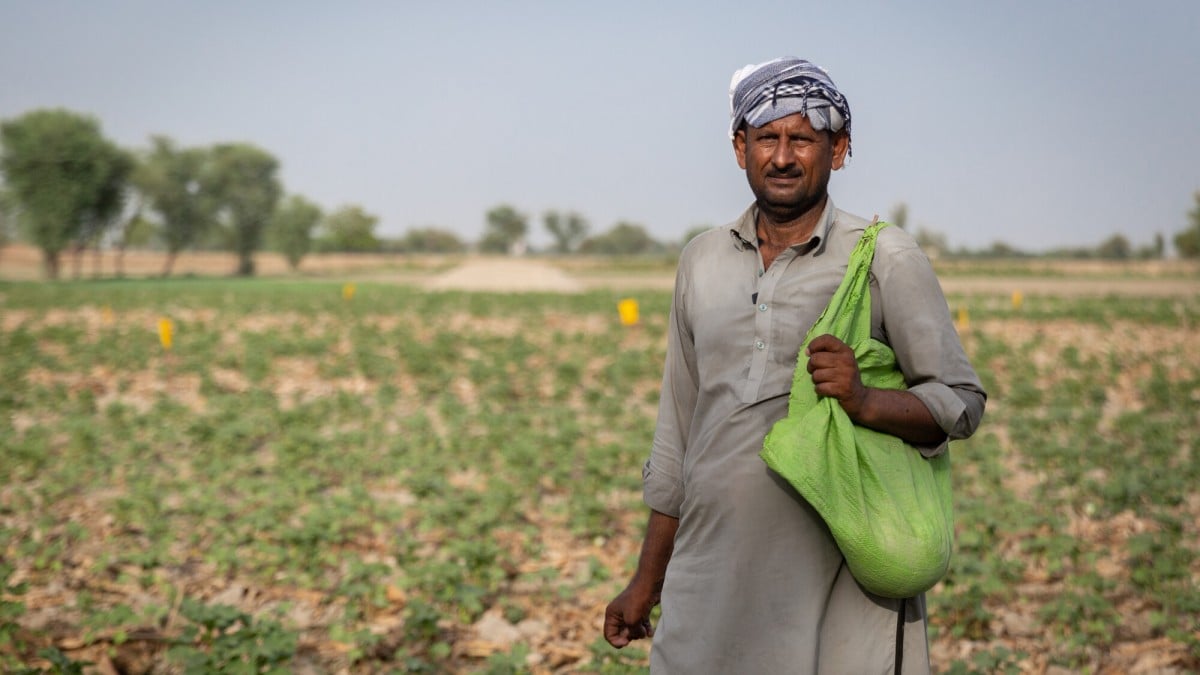
A landmark case is emerging from Pakistan’s Sindh province, where a group of farmers are preparing to take legal action against two of Germany’s largest industrial corporations. They are seeking €1 million in compensation, claiming the companies’ greenhouse gas emissions contributed to the devastating 2022 floods that destroyed their livelihoods.
The move is being hailed as a significant step in the growing movement for climate justice, where affected communities in developing countries are holding major polluters accountable for the damages caused by climate change.
2. Background: The 2022 Floods in Sindh
In 2022, Pakistan witnessed one of the worst floods in its history. Record-breaking monsoon rains submerged nearly a third of the country, displacing millions and destroying vast areas of agricultural land.
Sindh province suffered the worst impact. Thousands of farmers lost their land, homes, livestock, and crops. Fields that had sustained families for generations were left under water for months, making cultivation impossible.
ALSO READ
FBR Crackdown 2025: Powerful Action Against Fintech Executive Owning 30 Luxury Cars
Experts later concluded that the intensity of the floods was exacerbated by global warming — a result of decades of unchecked industrial emissions. This realization inspired a small group of farmers to seek accountability beyond Pakistan’s borders.
3. The Farmers’ Claims and Demands
A group of 43 farmers from Sindh have formally initiated legal proceedings against two major German corporations. Their demand is straightforward: compensation of €1 million for the financial and emotional loss they suffered.
According to their claim, their lands remained flooded long after the rains stopped. They lost multiple harvests, livestock, and even access to drinking water. Many were forced into debt just to survive.
The farmers argue that while Pakistan contributes less than one percent to global greenhouse gas emissions, its people are paying a heavy price for the pollution generated by industrialized nations. This imbalance of responsibility and suffering forms the moral and legal foundation of their case.
4. The German Companies Being Targeted
The lawsuit names two major German corporations — a large energy company and a global cement manufacturer — as defendants. These firms have been identified among the world’s top historical emitters of greenhouse gases.
The farmers claim that emissions from these companies have directly contributed to the climate crisis that caused the destructive floods in Sindh. Their case rests on the idea that industrial giants, which profit from fossil fuels and heavy industry, must bear part of the responsibility for the damage inflicted on vulnerable communities.
According to the Ministry of Climate Change, Government of Pakistan, affected communities can find more information on climate policies and initiatives here.
By targeting corporations in Germany, the farmers are pushing the boundaries of international environmental accountability, making this one of the first cross-border climate lawsuits led by agricultural workers from South Asia.
5. Legal Grounds and Strategy
The farmers’ legal team has already sent formal notices to the German companies. If the matter is not settled, they plan to file a case in a German court later this year.
Their case is built on the “polluter pays” principle, which argues that those responsible for environmental damage must compensate those affected by it.
However, the lawsuit faces significant legal challenges. These include proving a causal link between the companies’ emissions and the floods in Sindh, determining the appropriate jurisdiction for the case, and quantifying the exact economic losses suffered by the farmers.
Despite these hurdles, the legal team believes the case could set a precedent for similar actions in the future. They aim to show that large-scale emitters cannot escape accountability simply because their pollution crosses borders.
6. Global Context: Climate Justice and Accountability
This lawsuit comes amid a rising wave of climate litigation worldwide. From Europe to South America and Africa, courts are increasingly being asked to decide whether companies and governments can be held responsible for the impacts of global warming.
For Pakistan — one of the countries most vulnerable to climate disasters — this case represents a new form of resistance. It highlights how the poorest and least responsible communities are often the first to suffer from climate-induced catastrophes.
The action also underscores a broader trend: developing nations are no longer content with sympathy alone. They are demanding real accountability, financial redress, and recognition of the global inequalities at the heart of the climate crisis.
7. Possible Implications and Challenges
If the Sindh farmers succeed, their victory could inspire similar lawsuits across the developing world. It could encourage other communities in Asia, Africa, and Latin America to pursue claims against major polluters for climate-related damages.
Such a decision would also send a strong message to corporations: environmental negligence can no longer be ignored or hidden behind complex international systems.
ALSO READ
IESCO Rupee Devaluation Solar Customers Required to Buy New Electricity Meter
However, the case will not be easy. It may face long delays, jurisdictional disputes, and appeals. Proving direct causation between specific emissions and particular climate events remains one of the biggest obstacles in climate law.
Even so, the case has already achieved one important outcome — it has drawn global attention to the unequal burden of climate change and the growing demand for justice.
8. Conclusion
The legal action by Sindh’s farmers marks a bold and historic move. From their devastated fields to the international courtroom, these farmers are turning their loss into a fight for fairness and recognition.
Whether or not they win, their courage has already made a statement: those who contribute the least to climate change will no longer remain silent victims. The world’s biggest polluters will increasingly be asked to face the consequences of their actions.
This €1 million lawsuit is not just about financial compensation — it is a call for justice, equality, and accountability in the era of global climate change.