 by
by Table of Contents
- Introduction
- Pakistan’s Evolving Education Landscape
- Why the University of London Matters
- Strengthening Classroom-Based Learning
- Expanding Access Through Distance Education
- Focus on Technology and Digital Skills
- Artificial Intelligence and the Future of Learning
- Empowering Pakistani Students and Teachers
- Economic and Social Impact on Pakistan
- Challenges and Opportunities Ahead
- The Road Ahead: A Shared Vision
- Conclusion
Introduction
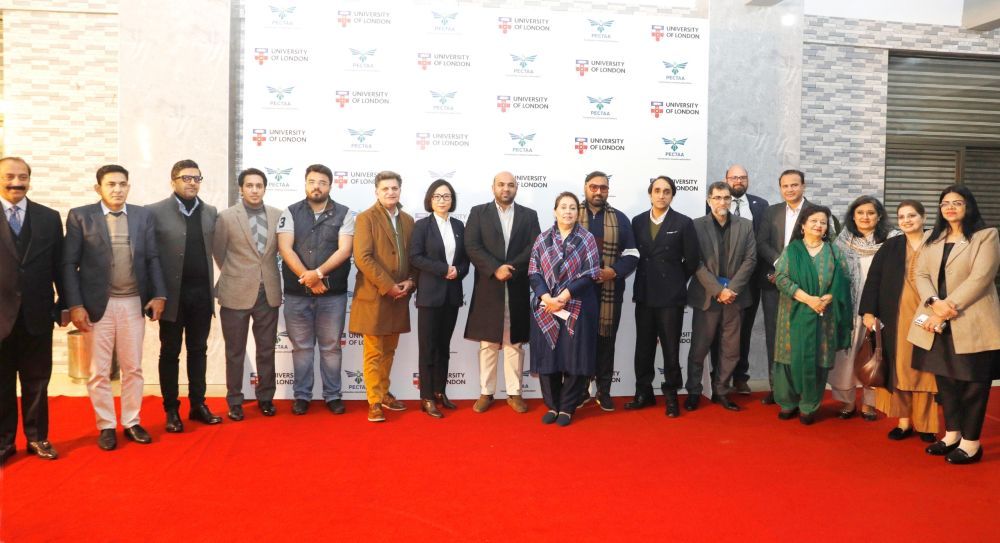
The University of London’s investment in Pakistan’s education sector marks a significant step toward transforming learning from traditional classrooms to advanced technologies like Artificial Intelligence (AI). This collaboration reflects a growing recognition of Pakistan’s young population, academic potential, and demand for globally recognized education. By combining academic excellence with modern digital tools, this initiative aims to reshape Pakistan’s educational future.
Pakistan’s Evolving Education Landscape
Pakistan is home to one of the largest youth populations in the world. Every year, millions of students seek quality higher education, yet limited resources and access remain major challenges. Over the last decade, the country has made steady progress in improving literacy rates, expanding universities, and promoting online education.
However, there is still a strong need for international partnerships that can bring global standards, innovative curricula, and advanced teaching methods into Pakistan’s education system.
Why the University of London Matters
The University of London is globally respected for its academic heritage, research excellence, and flexible learning models. Its decision to invest in Pakistan goes beyond offering degrees—it represents a long-term commitment to educational development.
With experience in distance learning, digital education, and international programs, the University of London is uniquely positioned to support Pakistan’s transition from conventional learning to future-ready education.
Strengthening Classroom-Based Learning
One of the key areas of investment focuses on improving classroom education. This includes:
- Updated curricula aligned with global standards
- Training programs for teachers and faculty
- Modern assessment and evaluation methods
- Emphasis on critical thinking and problem-solving
By enhancing traditional classroom learning, Pakistani students can gain a strong academic foundation while remaining competitive in the global job market.

Expanding Access Through Distance Education
Access to quality education remains unequal in many parts of Pakistan, especially in remote and underserved regions. The University of London’s expertise in distance and online education plays a vital role here.
Through digital platforms, students can:
- Study internationally recognized degree programs
- Learn at their own pace
- Access high-quality study materials
- Reduce the financial burden of studying abroad
This approach promotes educational inclusion and ensures that talent is not limited by geography.
ALSO READ
AIOU Financial Aid Applications Powerful 5 Step Guide for Spring 2026
Focus on Technology and Digital Skills
In today’s world, education is closely linked with technology. The University of London’s investment emphasizes digital literacy, data skills, and modern technologies that are essential for future careers.
Programs increasingly focus on:
- Computer science and information technology
- Data analysis and digital tools
- Online collaboration and research skills
These skills prepare Pakistani students for careers in global industries, remote work environments, and the digital economy.
Artificial Intelligence and the Future of Learning
One of the most forward-looking aspects of this investment is the focus on Artificial Intelligence in education. AI is transforming how students learn, teachers teach, and institutions operate.
Key AI-driven benefits include:
- Personalized learning experiences
- Smart assessment systems
- AI-assisted research and analysis
- Improved student engagement and outcomes
By introducing AI-focused courses and tools, the University of London helps Pakistan prepare for the future of education and employment.
Empowering Pakistani Students and Teachers
This initiative is not only about institutions—it is about people. Pakistani students gain access to world-class education, while teachers benefit from training, resources, and international exposure.
Empowerment outcomes include:
- Improved teaching quality
- Enhanced research capabilities
- Greater confidence among students
- International academic recognition
Such empowerment creates a ripple effect across schools, colleges, and universities nationwide.
Economic and Social Impact on Pakistan
Investment in education directly contributes to economic growth and social development. A skilled and educated workforce attracts investment, boosts innovation, and reduces unemployment.
Long-term benefits include:
- Stronger human capital
- Growth of the tech and AI sectors
- Increased global competitiveness
- Social mobility and reduced inequality
Education becomes a driver of sustainable national progress.
Challenges and Opportunities Ahead
While the initiative is promising, challenges remain. These include infrastructure gaps, internet accessibility, affordability, and awareness among students.
However, these challenges also present opportunities:
- Public-private partnerships
- Expansion of digital infrastructure
- Policy reforms supporting online education
- Increased collaboration with local institutions
With strategic planning, these obstacles can be transformed into strengths.
The Road Ahead: A Shared Vision
The partnership between the University of London and Pakistan represents a shared vision for the future—one that values knowledge, innovation, and global cooperation.
As education evolves from physical classrooms to AI-powered learning environments, Pakistan stands at a crucial crossroads. With the right support, it can emerge as a regional leader in education and technology.
Higher Education Commission (HEC) Pakistan – Official Website
https://www.hec.gov.pk
Conclusion
The University of London’s investment in Pakistan’s education future is more than an academic collaboration—it is a transformative movement. By strengthening classroom learning, expanding digital access, and embracing Artificial Intelligence, this initiative paves the way for a smarter, more inclusive, and globally connected Pakistan.
From classrooms to AI-driven platforms, the future of education in Pakistan is being reshaped—one student, one teacher, and one innovation at a time.