by
by Table of Contents
- Introduction
- Health Benefits of Yogurt
- Greek Yogurt
- Effects on Mental Wellness
- Effects on Physical Wellness
- Nutrient Profile of Yogurt
- Yogurt Diet Plan
- Calories Burn and Weight Management
- Disadvantages of Yogurt
- Conclusion
Introduction
Yogurt is a fermented dairy product made from milk using beneficial bacteria. It is widely known for its creamy texture, refreshing taste, and powerful nutritional value. Yogurt is rich in protein, probiotics, vitamins, and minerals that support digestion, immunity, and overall health.
Regular consumption of yogurt can improve both mental and physical wellness while supporting weight management. Due to its versatility, yogurt fits easily into breakfast, snacks, and main meals.
Health Benefits of Yogurt
Yogurt provides multiple health benefits when consumed regularly and in moderation.
Improves Digestive Health
Yogurt contains probiotics that help maintain a healthy balance of gut bacteria. This improves digestion and reduces issues such as bloating, constipation, and acidity.
Boosts Immune System
Probiotics and nutrients like zinc and vitamin B12 strengthen the immune response and help the body fight infections.
Supports Bone Health
Yogurt is a rich source of calcium and vitamin D, which are essential for strong bones and teeth and help prevent bone-related diseases.
Promotes Heart Health
Low-fat yogurt may help reduce bad cholesterol levels and support healthy blood pressure.
Helps in Weight Management
High protein content increases fullness and reduces unnecessary calorie intake throughout the day.
Greek Yogurt
Greek yogurt is a thicker and creamier form of yogurt made by straining out whey, which increases its protein concentration and reduces sugar content. Compared to regular yogurt, Greek yogurt provides greater satiety, making it highly effective for weight loss and muscle building. It is rich in probiotics, calcium, and potassium, supporting digestion, bone strength, and heart health. Greek yogurt is also versatile and can be used in smoothies, healthy desserts, dips, and as a substitute for high-fat ingredients in meals.
ALSO READ
Potato Salad A Healthy and Delicious Dish for Mental and Physical Wellness
Effects on Mental Wellness
Yogurt plays an important role in mental health due to the gut-brain connection.
Reduces Stress and Anxiety
Probiotics influence neurotransmitters that help regulate mood and lower stress levels.
Improves Focus and Memory
B vitamins and magnesium support brain function, improving concentration and cognitive performance.
Supports Better Sleep
Amino acids such as tryptophan help increase serotonin production, promoting better sleep quality.
Effects on Physical Wellness
Yogurt supports overall physical health in several ways.
Muscle Recovery and Strength
Protein in yogurt helps repair muscles after exercise and supports lean muscle mass.
Hydration Support
Yogurt contains water and essential electrolytes that help maintain hydration.

Blood Sugar Control
Low-fat yogurt helps stabilize blood sugar levels and improves insulin sensitivity.
Skin Health
Zinc and antioxidants in yogurt promote clear skin and help reduce inflammation.
Nutrient Profile of Yogurt
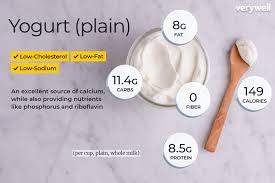
Approximate nutritional values per 100 grams of plain low-fat yogurt:
| Nutrient | Amount |
|---|---|
| Calories | 59 kcal |
| Protein | 10 g |
| Fat | 0.4 g |
| Carbohydrates | 3.6 g |
| Calcium | 121 mg |
| Vitamin B12 | 0.5 µg |
| Magnesium | 11 mg |
| Potassium | 155 mg |
| Probiotics | 1–10 billion CFU |
These nutrients make yogurt a balanced and nutrient-dense food.
Yogurt Diet Plan
A simple 1-day yogurt-based diet plan for health and weight management:
| Meal | Food |
|---|---|
| Breakfast | 1 cup plain yogurt, banana, chia seeds |
| Mid-Morning | Yogurt with berries |
| Lunch | Grilled chicken, yogurt raita, brown rice |
| Evening Snack | Yogurt smoothie with spinach and fruit |
| Dinner | Yogurt with vegetable salad |
| Before Bed | Warm yogurt with cinnamon |
This diet improves digestion, energy levels, and metabolism.
Calories Burn and Weight Management
Yogurt supports calorie burning indirectly through its high protein content.
Protein increases the thermic effect of food, meaning the body burns more calories digesting it. Yogurt also keeps you full for longer, reducing unnecessary snacking.
For example, 200 grams of plain yogurt provides around 118 calories, making it an excellent low-calorie, high-protein option for weight control.
Disadvantages of Yogurt
Despite its benefits, yogurt has some potential drawbacks.
Added Sugar
Flavored yogurts may contain high sugar, increasing the risk of weight gain.
Lactose Intolerance
Some individuals may experience bloating or digestive discomfort.
Milk Allergies
Yogurt may cause allergic reactions in people sensitive to dairy proteins.
High-Calorie Intake
Full-fat yogurt can increase calorie intake if consumed excessively.
Storage Issues
Improper storage may lead to bacterial contamination.
Conclusion
Yogurt is a powerful and nutritious food that supports digestion, immunity, mental wellness, and physical health. Its high protein, probiotics, and essential nutrients make it suitable for daily consumption.

Greek yogurt offers additional benefits due to its higher protein and lower sugar content. Choosing plain or low-fat varieties and avoiding added sugars can help maximize health benefits. When consumed wisely, yogurt becomes an essential part of a balanced and healthy lifestyle.