 by
by Table of Contents
- Introduction
- Overview of Punjab Examination Boards
- Details of the Examination Fee Increase
- Reasons Behind the Fee Hike
- Impact on Students and Parents
- Effect on Low-Income and Rural Students
- Reaction from Students, Parents, and Educators
- Comparison with Previous Fee Structures
- Role of Government and Education Authorities
- Possible Solutions and Policy Options
- Long-Term Consequences for Education
- Conclusion
Introduction
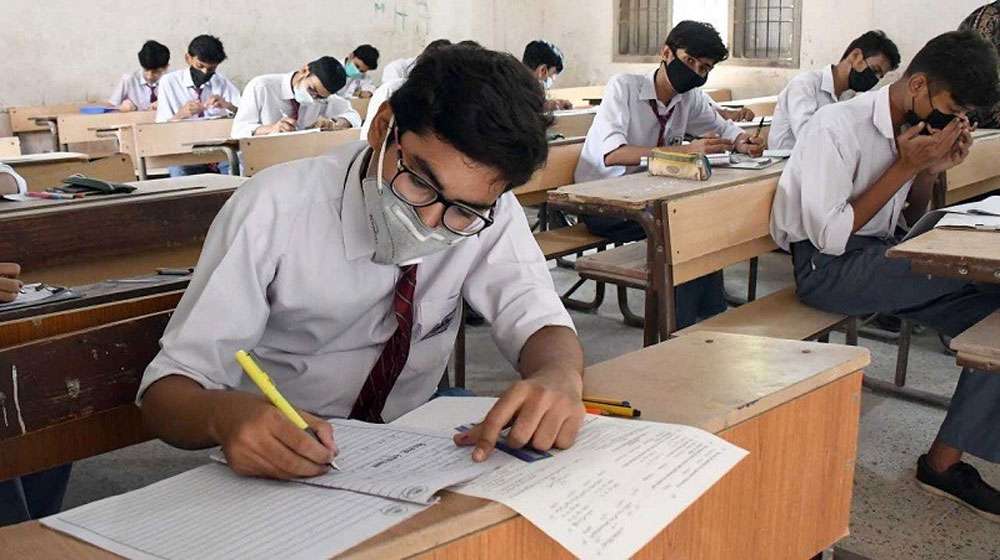
The recent decision by all Punjab Boards to massively increase examination fees has sparked widespread concern across the province. Students, parents, and educators are questioning the timing and scale of the hike, especially amid rising inflation and economic pressure. Board examinations play a critical role in a student’s academic journey, and any change in fees directly affects millions of families.
Overview of Punjab Examination Boards
Punjab has several educational boards responsible for conducting matriculation and intermediate examinations. These boards regulate exams, issue certificates, and ensure academic standards across public and private institutions.
Every year, millions of students register with Punjab Boards, making examination fees a major educational expense for households across the province.
Details of the Examination Fee Increase
According to recent notifications, examination fees have been increased across all Punjab Boards. The hike applies to:
- Matric (9th and 10th) examinations
- Intermediate (11th and 12th) examinations
- Private and regular candidates
- Late fee and supplementary exams
In many cases, the increase is being described as significant, adding extra financial burden on families already struggling with school tuition and other academic costs.
Reasons Behind the Fee Hike
Education boards cite multiple reasons for raising examination fees. These include:
- Rising administrative and operational costs
- Increased expenses for paper printing and logistics
- Higher salaries and allowances for staff
- Investment in digital systems and examination security
Authorities argue that without revising fees, boards would struggle to maintain examination quality and transparency.
Impact on Students and Parents
The most immediate impact is felt by students and parents, particularly those with more than one child appearing in board exams. Many families rely on limited incomes and already face expenses such as:
- School and college fees
- Books and stationery
- Transport and coaching classes
The examination fee increase adds another layer of stress, forcing some families to make difficult financial choices.
Effect on Low-Income and Rural Students
Students from low-income households and rural areas are disproportionately affected. For many, examination fees are not just a formality but a major obstacle.
Key concerns include:
- Risk of delayed registration
- Increased dropout rates
- Pressure on students to work part-time
- Reduced access to education for marginalized groups
This raises serious questions about educational equity and accessibility in Punjab.
ALSO READ
University of London Pakistan Education Initiative 7 Strategic Shifts from Classroom to AI
Reaction from Students, Parents, and Educators
The fee hike has triggered strong reactions across social media and academic circles. Students have expressed frustration, while parents are calling for government intervention.
Educators warn that:
- Higher costs may discourage students from continuing education
- Enrollment numbers could decline
- Mental stress among students may increase
Several education activists are demanding a review or rollback of the increased fees.
Comparison with Previous Fee Structures
When compared to previous years, the current fee structure shows a noticeable jump. Earlier increases were gradual, but the recent hike is being described as sudden and steep.
This sharp rise, without adequate financial relief or scholarship expansion, has intensified public criticism and debate.
Role of Government and Education Authorities
The Punjab government and education authorities play a key role in regulating examination boards. Many stakeholders believe that:
- Fee increases should be approved with public consultation
- Financial transparency of boards should be ensured
- Relief measures should be introduced for deserving students
Government oversight is essential to balance institutional needs and public interest.
Possible Solutions and Policy Options
Several solutions are being proposed to address the situation:
- Fee concessions for low-income students
- Flexible installment-based payment options
- Increased government subsidies to boards
- Expanded scholarship and waiver programs
Such measures could reduce the negative impact while allowing boards to function effectively.
Long-Term Consequences for Education
If left unaddressed, the massive increase in examination fees could have long-term consequences, including:
- Reduced enrollment in secondary and higher education
- Increased inequality in access to education
- Loss of trust in educational institutions
- Higher dropout rates among vulnerable students
Education is a foundation of national development, and policies affecting it must be carefully balanced.
According to the Board of Intermediate and Secondary Education, Lahore, the updated examination fee structure applies to both regular and private candidates.
Conclusion
The decision by all Punjab Boards to massively increase examination fees has raised serious concerns about affordability, access, and fairness in education. While boards face genuine financial challenges, the burden should not fall disproportionately on students and parents.
A collaborative approach involving government authorities, education boards, and public stakeholders is essential to ensure that quality education remains accessible to all, regardless of economic background.