 by
by Table of Contents
- Introduction
- Lahore’s Basant Tradition
- Government Measures and Safety Concerns
- The Rooftop Auction Plan
- How the Auction Will Work
- Impact on Schools and Students
- Public Reactions and Opinions
- Safety and Security Measures
- Economic and Cultural Implications
- Challenges and Controversies
- Looking Ahead: Future of Basant in Lahore
- Conclusion
Introduction
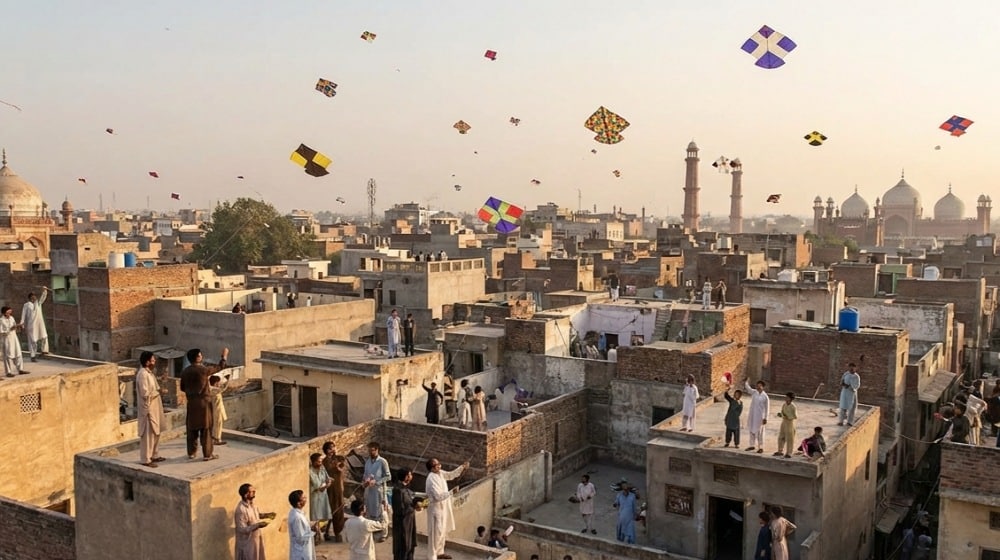
Lahore, the cultural capital of Pakistan, is known for its colorful festivals, especially Basant, the kite-flying celebration that marks the arrival of spring. In a recent decision, the city authorities have announced plans to auction school rooftops for Basant events, aiming to regulate kite-flying while generating revenue and ensuring public safety.
This move has sparked debates about tradition, safety, and the role of educational institutions in public festivities.
Lahore’s Basant Tradition
Basant is a centuries-old festival in Punjab, celebrated with vibrant kites, music, and community gatherings. Historically, rooftops of homes, schools, and buildings become prime locations for kite flying. The festival has deep cultural significance, symbolizing the arrival of spring, social bonding, and celebration of local heritage.
However, Basant has also been associated with safety risks, particularly from electrocution, falling from rooftops, and kite string injuries, which has led to temporary bans in the past.
Government Measures and Safety Concerns
City authorities have long struggled with controlling kite-flying accidents during Basant. Previous incidents involved:
- Injuries from sharp kite strings
- Accidental electrocution
- Roof-related falls
- Traffic disruptions
To address these issues, the Lahore administration is now formalizing kite-flying zones and introducing rooftop auctions, which aim to regulate access while maintaining traditional celebrations.
The Rooftop Auction Plan
The rooftop auction initiative involves renting or selling temporary access to school rooftops for Basant festivities. Under this plan:
- Only approved rooftops will be used for kite-flying
- Access will be auctioned to individuals or groups
- Revenue generated will support local schools or municipal safety programs
The initiative is an effort to balance tradition, safety, and economic benefits.
How the Auction Will Work
City authorities have outlined a transparent auction process:
- Schools list their rooftops with dimensions, capacity, and safety measures
- Interested parties register for the auction
- Rooftops are assigned based on the highest bidder
- Participants must comply with safety regulations and time limits
This structured approach aims to reduce crowding, ensure accountability, and prevent illegal kite-flying from unsafe locations.
ALSO READ
Impact on Schools and Students
While the auction can generate extra revenue for schools, there are concerns about disruption of daily academic activities. Authorities have assured that:
- Rooftops will only be used during festival hours
- Class schedules and student safety will not be compromised
- Maintenance and cleanup will be handled by organizers
Schools may benefit financially, but careful planning is needed to protect students and property.
Public Reactions and Opinions
The public response has been mixed:
- Supporters argue that it is a practical solution to regulate kite-flying
- Critics question the commercialization of school rooftops
- Safety advocates emphasize the need for strict enforcement of rules
Social media debates show a strong interest in reviving Basant safely without risking lives.
Safety and Security Measures
To ensure safe celebrations, authorities plan to implement:
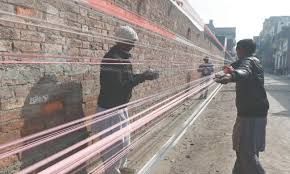
- Mandatory use of non-lethal kite strings
- Police and fire department presence at rooftop zones
- First aid and medical facilities nearby
- Crowd management and restricted access
These measures aim to prevent accidents and promote responsible kite-flying.
Economic and Cultural Implications
The rooftop auctions can have multiple benefits:
- Additional funding for schools and municipal projects
- Promotion of tourism and local vendors
- Preservation of cultural heritage in a regulated manner
However, the commercialization aspect must be balanced against tradition to retain the authentic spirit of Basant.
Challenges and Controversies
Potential challenges include:
- Safety enforcement during large crowds
- Misuse or overpricing of rooftop auctions
- Resistance from parents or community groups
- Possible legal challenges regarding the use of school property
Authorities must address these challenges to ensure a smooth and safe festival.
Looking Ahead: Future of Basant in Lahore
The auction initiative could set a new precedent for celebrating Basant in Lahore:
- Safer festival zones may be adopted city-wide
- Rooftop auctions could become a model for other urban festivals
- A balance between tradition and safety may encourage more participation
The success of this initiative depends on coordination between schools, authorities, and the public.
According to the Punjab Government’s official Basant information page, the 2026 Basant celebrations will be regulated under strict safety measures and are scheduled from February 6 to 8 in Lahore.
Conclusion
The decision to auction school rooftops for Basant represents a bold attempt to revive a cherished Lahore tradition while prioritizing safety and regulation. If executed properly, it could preserve cultural heritage, generate revenue for schools, and ensure a safe and vibrant Basant celebration for the city’s residents.
By combining tradition with structured management, Lahore may once again become the kite-flying capital of Pakistan, celebrating spring in a safer and more organized way.