 by
by Table of Contents
- Introduction
- Overview of Punjab’s School Education System
- Who Are Matric-Pass Teachers
- How Widespread Is the Issue
- Reasons Behind the Practice
- Impact on Education Quality
- Effect on Students’ Learning Outcomes
- Challenges Faced by Schools and Authorities
- Government Policies and Oversight
- Public Reaction and Expert Opinions
- Possible Solutions and Reforms
- Conclusion
Introduction
The revelation that thousands of matric-pass teachers are teaching in Punjab schools has sparked serious debate about education quality and policy enforcement. Education is the backbone of national development, and teacher qualification plays a crucial role in shaping students’ academic foundations.
This issue raises important questions about staffing shortages, governance, and the long-term impact on Punjab’s education system.
Overview of Punjab’s School Education System
Punjab has one of the largest public school networks in Pakistan, serving millions of students from urban and rural areas. The province has invested heavily in infrastructure, enrollment drives, and monitoring systems.
Despite these efforts, teacher availability and quality remain major challenges, particularly in underserved regions.
Who Are Matric-Pass Teachers
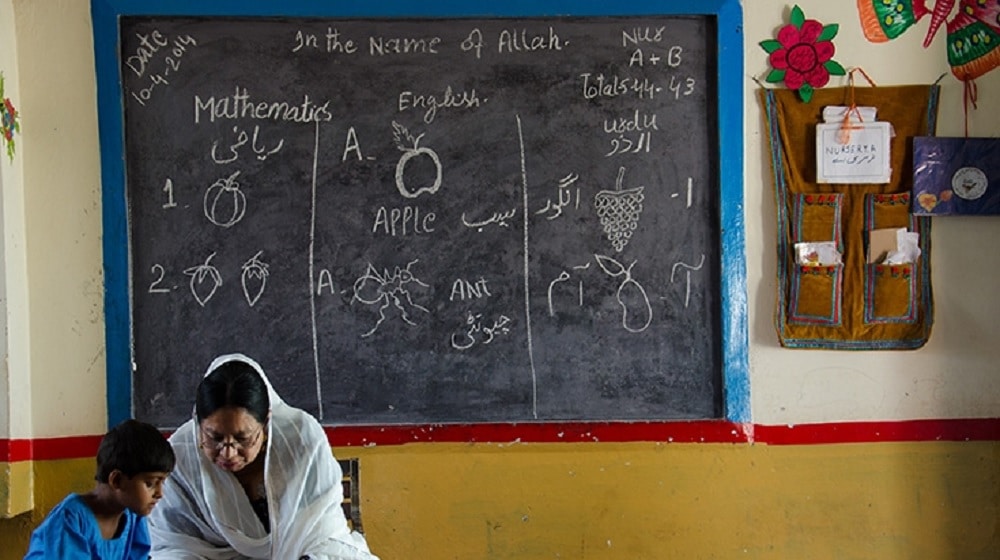
Matric-pass teachers are individuals whose highest academic qualification is secondary school (10th grade). While some may have experience or informal training, they do not meet the standard professional requirements typically expected for teaching roles.
In many cases, these individuals are hired as:
- Temporary staff
- Contract-based teachers
- Substitute or support teachers
How Widespread Is the Issue
Reports indicate that thousands of matric-pass teachers are currently working in government and affiliated schools across Punjab. The issue is more common in:
- Rural and remote districts
- Primary and elementary schools
- Areas facing teacher shortages
The scale of the problem highlights systemic gaps in recruitment and monitoring.
Reasons Behind the Practice
Several factors contribute to the employment of matric-pass teachers in Punjab schools:
- Shortage of qualified teachers
- Budget constraints
- Delays in recruitment processes
- High student enrollment numbers
- Lack of applicants for remote postings
In some cases, schools rely on these teachers to prevent classroom closures.
Impact on Education Quality
Teacher qualification directly affects education quality and classroom outcomes. Matric-pass teachers may struggle with:
- Subject knowledge depth
- Lesson planning
- Student assessment
- Modern teaching methodologies
This can result in weaker academic foundations, especially at the primary level where conceptual clarity is essential.
ALSO READ
Punjab Safe City Project Education Integration Overview
Effect on Students’ Learning Outcomes
Students taught by underqualified teachers often face challenges such as:
- Poor understanding of core subjects
- Low literacy and numeracy skills
- Reduced critical thinking abilities
- Difficulty transitioning to higher classes
Over time, these gaps can lead to higher dropout rates and poor exam performance.
Challenges Faced by Schools and Authorities
School administrations and education authorities face a difficult balancing act. On one hand, they must ensure classrooms are staffed; on the other, they are responsible for maintaining teaching standards.
Key challenges include:
- Limited qualified candidates
- Administrative delays
- Political and local pressures
- Monitoring teacher credentials
These issues complicate efforts to enforce qualification requirements.
Government Policies and Oversight
Punjab’s education policies clearly outline minimum qualification standards for teachers. However, implementation gaps persist due to staffing shortages and urgent classroom needs.
Authorities have periodically announced:
- Teacher recruitment drives
- Professional training programs
- Credential verification efforts
Effective oversight remains critical to ensure compliance.
Public Reaction and Expert Opinions
The public response to the issue has been mixed. Parents and education advocates express concern over student futures, while experts warn of long-term consequences.
Education specialists emphasize that:
- Teacher quality determines learning quality
- Temporary solutions can become permanent problems
- Investment in teacher training is essential
The debate continues across academic and policy circles.
Possible Solutions and Reforms
Several solutions have been proposed to address the issue:
- Accelerated recruitment of qualified teachers
- Mandatory training and certification programs
- Incentives for teachers in rural areas
- Strict enforcement of qualification criteria
- Regular audits of teaching staff
These reforms could help restore confidence in the education system.
According to the Punjab Education Department, teacher assignments and recruitment processes are managed across schools in the province to ensure staffing needs are met.
For more detail visit, this page.
Conclusion
The presence of thousands of matric-pass teachers in Punjab schools highlights deep-rooted challenges in education management and workforce planning. While staffing shortages may justify temporary measures, long-term reliance on underqualified teachers risks compromising education quality.
Addressing this issue requires policy enforcement, investment in teacher development, and transparent recruitment practices. Ensuring qualified teachers in classrooms is essential for building a strong, skilled, and educated future generation.