 by
by Table of Contents
- Introduction
- Background of the Safe City Initiative
- Scale of the Education Security Integration
- Purpose Behind Linking Educational Institutes
- How the System Supports School Safety
- Benefits for Students and Parents
- Impact on Teachers and Administrations
- Role of Modern Technology
- Privacy and Ethical Considerations
- Implementation Challenges
- Long-Term Vision for Education Safety
- Conclusion
Introduction
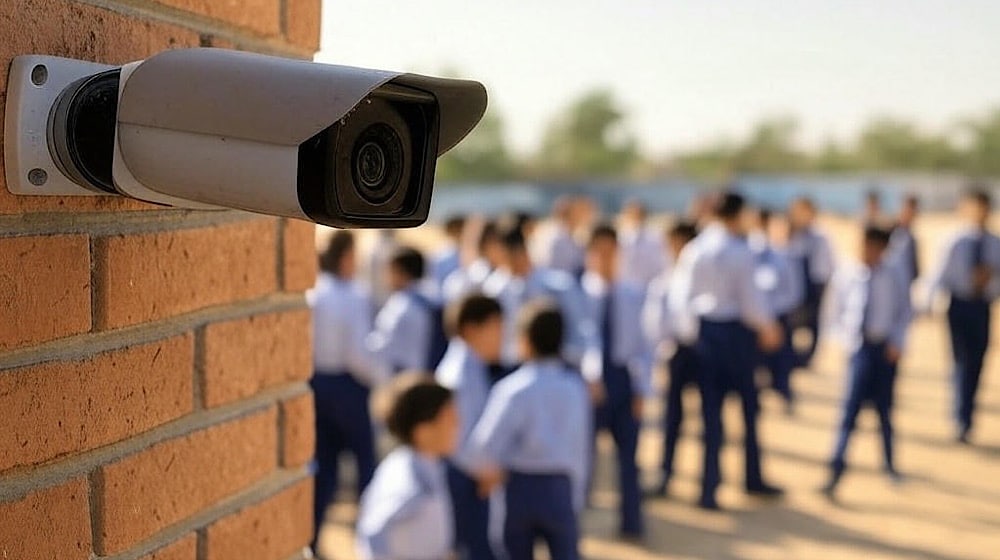
The Punjab government has taken a significant step to improve student safety by linking more than 30,000 educational institutes with the Safe City Project. This initiative aims to strengthen security arrangements in schools, colleges, and universities by integrating them into a centralized monitoring and emergency response system.
The move reflects a growing focus on technology-driven public safety, particularly in the education sector.
Background of the Safe City Initiative
The Safe City initiative was launched to enhance public safety through modern surveillance, real-time monitoring, and coordinated emergency response. Over time, its scope has expanded beyond roads and public spaces to include sensitive areas such as educational institutions.
By extending coverage to schools and colleges, the government aims to create safer learning environments across Punjab.
Scale of the Education Security Integration
Under this initiative, over 30,000 public and private educational institutes across the province have been connected to the Safe City network. The integration includes institutions of all sizes, ranging from primary schools to higher education centers.
This large-scale inclusion makes it one of the most extensive education-focused safety integrations in the region.
Purpose Behind Linking Educational Institutes
The primary goals of linking educational institutes with the Safe City Project include:
- Enhancing on-campus and surrounding area security
- Preventing unauthorized access and criminal activity
- Improving coordination during emergencies
- Supporting school administrations with rapid response
The initiative emphasizes prevention, preparedness, and protection.
How the System Supports School Safety
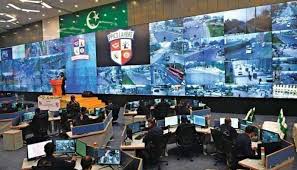
Educational institutes connected to the system can quickly alert authorities in case of emergencies. Real-time monitoring allows for:
- Faster identification of security threats
- Immediate coordination with response teams
- Better crowd and access management
- Improved situational awareness
This ensures that potential risks are addressed before they escalate.
ALSO READ
UET Lahore Entry Test Dates Update for Undergraduate Admissions
Benefits for Students and Parents
Students benefit from a safer and more secure learning environment, while parents gain peace of mind knowing that schools are under continuous monitoring.
Key advantages include:
- Reduced risk of security incidents
- Faster handling of emergencies
- Improved discipline around school premises
- Greater trust in educational institutions
Safety plays a crucial role in academic performance and student well-being.
Impact on Teachers and Administrations
Teachers and school administrations also benefit from the integration. With enhanced security support, they can focus more on education rather than crisis management.
Administrations gain access to:
- Better incident reporting mechanisms
- Support during emergencies
- Improved coordination with authorities
This strengthens institutional resilience and preparedness.
Role of Modern Technology
Technology is central to the Safe City Project. Advanced tools enable:
- Continuous monitoring of sensitive areas
- Quick data sharing during incidents
- Pattern analysis to prevent future risks
Such digital systems support smart governance and proactive safety planning.
Privacy and Ethical Considerations
While safety is a priority, concerns about privacy and data protection are important. Authorities have emphasized that monitoring is limited to security purposes and follows established regulations.
Ensuring transparency, restricted access, and responsible use of data remains essential to maintain public trust.
Implementation Challenges
Despite its benefits, the initiative faces challenges such as:
- Infrastructure limitations in remote areas
- Technical maintenance requirements
- Training staff to use systems effectively
- Ensuring consistent coverage across districts
Addressing these issues is critical for long-term success.
Long-Term Vision for Education Safety
The integration of educational institutes with the Safe City Project reflects a long-term vision of secure, smart, and responsive education systems. Future plans may include expanded coverage, improved technology, and stronger coordination mechanisms.
Such initiatives can set a benchmark for education safety across the country.
According to the Punjab Safe Cities Authority, the Safe City Project has been expanded to include educational institutions across the province to enhance safety and monitoring.
For more detail visit, this page
Conclusion
The decision to link 30,000+ educational institutes with the Safe City Project marks a major milestone in Punjab’s approach to student safety and educational security. By leveraging technology and centralized monitoring, the initiative aims to protect students, support educators, and build safer learning environments.
If implemented responsibly and sustained effectively, this project has the potential to transform education safety standards and strengthen public confidence in the province’s education system.