 by
by Table of Contents
- Introduction
- Context and Significance
- Event Details
- Key Themes and Discussions
- Major Outcomes and Commitments
- Implications for Pakistan’s Dairy and Nutrition Landscape
- Conclusion
1. Introduction
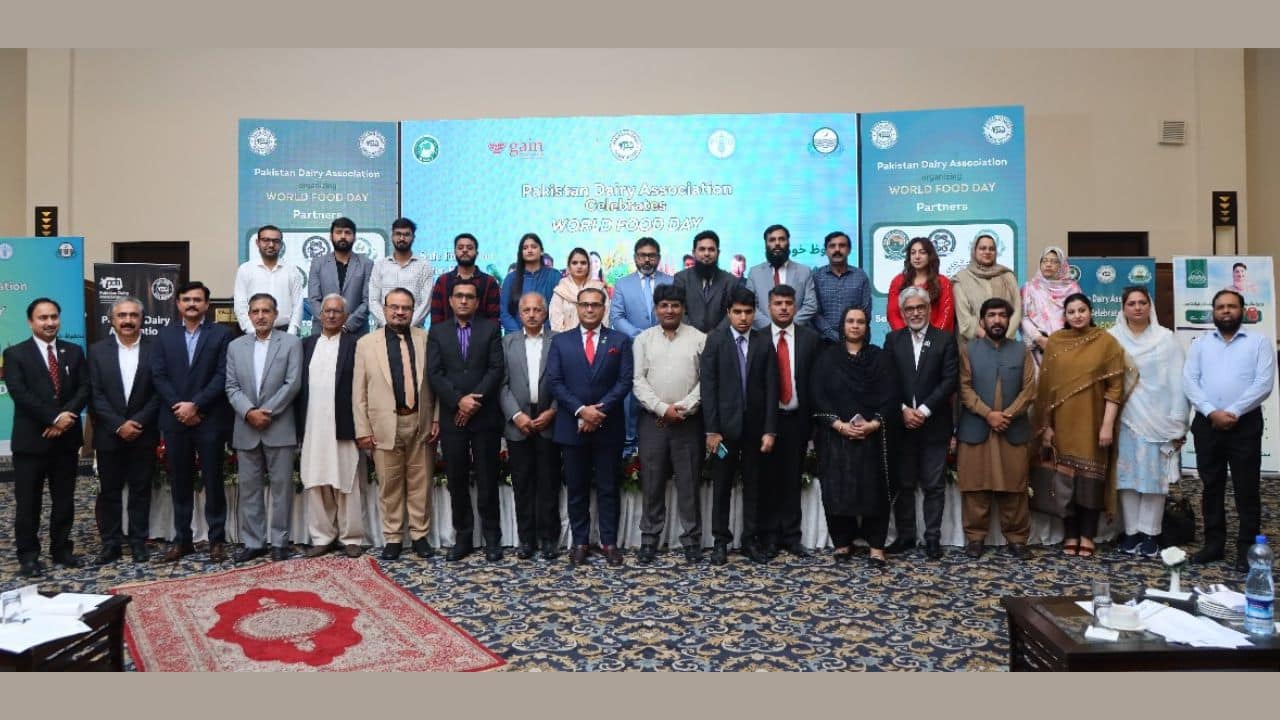
The Pakistan Dairy Association (PDA) organized a high-level National Seminar on World Food Day 2025 in Lahore, bringing together policymakers, dairy industry leaders, nutrition experts, and public health specialists.
The seminar, held under the theme “Safe Milk, Safe Nation: Affordable Dairy for a Healthier Pakistan,” aimed to highlight the vital role of dairy in ensuring food security, improving nutrition, and supporting sustainable livelihoods.
The event underscored how milk and dairy are not just agricultural commodities but also essential building blocks for a healthier, more productive society.
2. Context and Significance
World Food Day, celebrated globally every October, focuses on ending hunger and improving nutrition. For Pakistan, where dairy plays a central role in the daily diet, this year’s observance carried special meaning.
Dairy contributes significantly to rural employment and national GDP. However, the country’s dairy industry faces multiple challenges — from unregulated supply chains and adulterated milk to the lack of standardization and limited consumer awareness.
The seminar served as a timely call to action for all stakeholders to address these gaps, promote safe and affordable milk, and ensure that every citizen has access to nutritious dairy products.
The message was clear: safe milk is not a privilege; it’s a necessity — and achieving it requires shared responsibility between government, industry, and consumers.
ALSO READ
3. Event Details
The seminar took place in Lahore, attended by representatives from the public and private sectors, academia, and development organizations.
Notable participants included senior officials from food authorities, livestock and dairy departments, CEOs of leading dairy companies, agricultural experts, and public health professionals.
The event began with welcoming remarks from the CEO of the Pakistan Dairy Association, who highlighted the significance of dairy in addressing malnutrition and strengthening the national food system.
Technical sessions followed, focusing on regulatory frameworks, food safety standards, dairy innovation, and strategies for enhancing affordability and accessibility.
4. Key Themes and Discussions
Safe Milk and Quality Assurance
A major theme of the seminar was the urgent need to ensure milk safety through proper regulation, testing, and packaging.
Experts emphasized that unsafe or contaminated milk poses serious health risks, particularly for children, and that the transition to packaged, traceable milk is essential.
The discussion revolved around how government bodies can strengthen enforcement while supporting producers and processors in adopting hygienic practices and modern technology.
For more information, visit the Ministry of National Food Security and Research (Government of Pakistan).
Affordability and Access
Another important topic was making safe milk accessible and affordable for all segments of society.
Participants discussed innovative pricing models, local supply chain optimization, and government incentives that could reduce the cost burden on consumers without compromising quality.
The seminar also explored how small dairy farmers could be empowered through training, better access to veterinary services, and inclusion in formal milk collection systems.
Nutrition and Public Health
Speakers highlighted the link between milk consumption and child development, emphasizing how dairy can help combat malnutrition, stunting, and micronutrient deficiencies.
There was a strong call to introduce school milk programs and community-level nutrition campaigns to encourage regular milk consumption among children.
Dairy Formalization and Economic Growth
Pakistan’s dairy sector remains largely informal, with a significant portion of milk sold unprocessed.
The seminar addressed the need for sector formalization — moving toward structured, monitored supply chains that guarantee safety and quality.
Formalization was presented as a win-win: consumers gain safer products, farmers access better markets, and the government collects more revenue through a transparent system.
Innovation and Sustainability
Industry leaders discussed innovations such as modern packaging solutions, digital traceability tools, and cold-chain technologies.
These advancements not only extend milk’s shelf life but also help maintain its nutritional value and safety from farm to table.
Sustainability was another key focus, with discussions on reducing carbon footprints, improving animal welfare, and supporting environmentally friendly farming practices.
5. Major Outcomes and Commitments
The seminar concluded with several notable outcomes and collective commitments:
- Recognition of safe milk as a fundamental right for every Pakistani citizen.
- Government and industry pledge to collaborate on stricter quality standards and enforcement mechanisms.
- Policy recommendations to reduce taxation on packaged milk and incentivize compliance with food safety regulations.
- Commitment to public awareness campaigns educating consumers on the benefits of choosing safe, packaged milk.
- Encouragement of school milk programs to fight malnutrition among children.
- Support for small farmers to integrate into formal supply chains through training and subsidies.
These commitments signaled a united effort to modernize Pakistan’s dairy sector and make safe milk widely available.
6. Implications for Pakistan’s Dairy and Nutrition Landscape
For Consumers
Consumers stand to benefit from improved access to safer, high-quality milk that is free from contamination and adulteration.
For Farmers and Processors
Small dairy farmers will gain opportunities to connect with formal supply chains, ensuring better income stability and technical support.
For Public Health
Enhanced milk safety and nutrition initiatives could help reduce the country’s high rates of stunting and malnutrition, especially in rural areas.
For the Economy
A formalized, regulated dairy sector will strengthen national food security, attract investment, and promote exports of dairy products.
7. Conclusion
The National Seminar on World Food Day 2025 by the Pakistan Dairy Association represented a significant step toward aligning Pakistan’s dairy industry with international standards of food safety, nutrition, and sustainability.
The theme “Safe Milk, Safe Nation” encapsulates a shared vision — that milk should nourish every child and family safely and affordably.
Moving forward, the true success of this seminar will depend on turning discussions into tangible actions: implementing reforms, enforcing standards, and ensuring that every glass of milk in Pakistan is safe, nutritious, and within reach for all.