 by
by Table of Content
- Introduction
- What Is Carrot Pudding?
- Health Benefits
- Mental Wellness Effects
- Physical Wellness Effects
- Nutrients Chart
- Diet Chart
- Calories Burn and Exercise Time
- Disadvantages
- Conclusion
1. Introduction
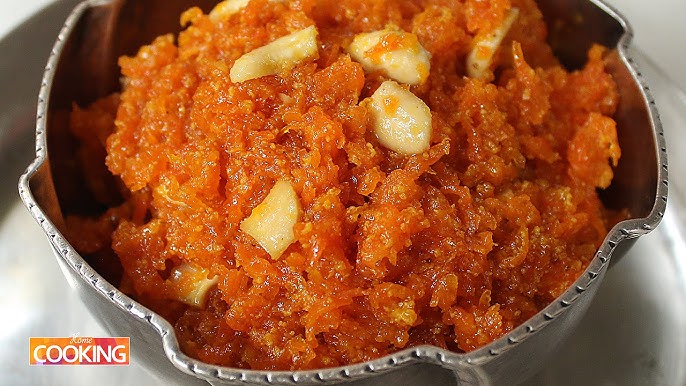
Carrot pudding, often known as a traditional sweet winter delicacy, is a dish loved for its rich flavor, tempting aroma and wholesome ingredients. It is generally prepared by cooking grated carrots slowly in milk along with a small amount of ghee and sugar. Nuts are added to enhance taste and nutrition. While it is known as a dessert, many people are surprised to learn how beneficial this sweet dish can be for the mind and body. This article covers its health benefits, nutrients, wellness effects and a detailed diet and calorie chart for better understanding.
2. What Is Carrot Pudding?
Carrot pudding is a comforting sweet dish created by slow-cooking fresh red or orange carrots with milk until the mixture becomes thick and creamy. Ghee provides richness and aroma while sugar adds sweetness. Nuts such as cashews, almonds or pistachios are commonly used to boost the flavor and nutritional value. Although eaten mainly as a dessert, many people enjoy it as a morning or evening snack because it provides warmth and energy.

3. Health Benefits of Carrot Pudding
Rich Source of Vitamins
Carrots contain beta-carotene and vitamin A, which support vision, skin health and overall immunity. Even when cooked as pudding, the nutrient value remains strong.
Boosts Immune Function
Nuts and milk add vitamin E, healthy fats and minerals that are essential for maintaining a strong immune system. This dessert becomes more nourishing when eaten in winter when immunity is naturally low.
Improves Digestion
Carrots contain fiber that helps digestion, reduces constipation and keeps the stomach lighter. When eaten warm, the pudding further supports smooth bowel movement.
ALSO READ
Green Vegetables 9 Powerful Facts for a Healthier Lifestyle
Heart-Friendly Nutrition
Carrots offer potassium and antioxidants that help maintain normal blood pressure and reduce oxidative stress. When consumed in moderate amounts, it supports heart health.
Strengthens Bones
Milk is a major ingredient and offers calcium and vitamin D, both of which are crucial for strong bones, joints and teeth. Children and adults benefit equally from this nutrient combination.
4. Mental Wellness Effects
Stress Reduction
Warm carrot pudding naturally releases comfort hormones in the body. The smooth texture and warm serving temperature help calm the mind after a long day.
Better Mood Balance
Carrots have antioxidants that help reduce mental fatigue and oxidative stress in brain cells. Nuts also contain mood-enhancing nutrients such as magnesium.
Supports Brain Function
Ghee nourishes the brain while nuts contribute essential fatty acids. These support improved focus, memory and overall cognitive functioning.
5. Physical Wellness Effects
Natural Energy Booster
This pudding provides instant energy because it contains carbohydrates, natural sugars and healthy fats. Athletes, students and physically active individuals often find it energizing.
Promotes Healthy Skin and Hair
Vitamin A improves skin glow and reduces dryness. The healthy fats from ghee and nuts help nourish hair roots, adding shine and strength.

Supports Muscle Repair
Protein from milk supports muscle recovery especially after workouts. A moderate portion can be a tasty recovery snack.
Keeps the Body Warm
It is widely eaten in winter because it supports body heat and reduces cold-related tiredness.
6. Nutrients Chart (Approximate per 100g Serving)
| Nutrient | Amount |
|---|---|
| Calories | 150–180 kcal |
| Carbohydrates | 20–25 g |
| Healthy Fats | 5–8 g |
| Protein | 3–4 g |
| Fiber | 2–3 g |
| Vitamin A | 350–400 mcg |
| Calcium | 80–100 mg |
| Iron | 1–1.5 mg |
These values can vary depending on how much sugar, milk and ghee are used.
7. Diet Chart – How to Include Carrot Pudding in a Healthy Routine
| Time of Day | Serving | Benefit |
|---|---|---|
| Morning (Breakfast) | Half bowl | Boosts energy and digestive health |
| Afternoon (After Meal) | Small bowl | Works as a satisfying dessert |
| Pre-Workout | Few spoons | Offers instant energy |
| Evening Snack | Half bowl | Improves mood and reduces sweet cravings |
| Cheat Day | Full bowl | Enjoyable treat without guilt |
Moderation is key because of its calorie density.
8. Calories Burn – How Much Exercise You Need?
A medium bowl of carrot pudding contains 350–450 calories, depending on sugar and ghee levels. To burn these calories, the following activities may help:
| Activity | Required Time |
|---|---|
| Brisk Walking | 60–70 minutes |
| Jogging | 25–30 minutes |
| Cycling | 35–40 minutes |
| Gym Training | 30–45 minutes |
| Yoga | About 60 minutes |
This makes it easier to balance calorie intake with expenditure while still enjoying your favorite dessert.
9. Disadvantages of Carrot Pudding
High Sugar Content
Excess sugar may contribute to weight gain, high blood sugar and reduced metabolic efficiency.
Calorie Dense
Large portions can exceed daily calorie needs, especially for people trying to lose weight.
Ghee and Nut Sensitivity
Ghee increases fat content and nuts may cause allergies in some individuals. Moderation and awareness are essential.
Lactose Issues
People with lactose intolerance may experience digestive discomfort due to milk.
10. Conclusion
Carrot pudding is more than a dessert. It is a nutrient-filled dish that supports physical strength, mental relaxation and overall well-being when eaten in balanced portions. It offers vitamins, minerals and natural antioxidants while providing warmth and satisfaction. Though it contains sugar and fat, careful portion control allows you to enjoy its benefits without negative effects. Whether eaten as an energy snack, a winter treat or a festive dessert, carrot pudding always adds comfort and nourishment to the day.